
Latest
Doctor’s wife testifies he beat her with rock, tried to force her toward cliff edge during hike

A Hawaii doctor’s wife testified Tuesday that he beat her with a rock and tried to push her over a cliff during a birthday hike, telling jurors she feared she would die.
”He’s trying to kill me,” Arielle Konig testified she screamed during the alleged attack, according to ABC News.
Konig testified against her husband, anesthesiologist Gerhardt Konig, who is accused of attempting to kill her during the March 24, 2025, incident on Oahu’s Pali Puka Trail.
He has pleaded not guilty to second-degree attempted murder.
Arielle Konig told jurors the couple had traveled from Maui to celebrate her birthday and work on their marriage after what she described as “flirty” messages with a colleague.
She said the hike turned violent when her husband suddenly grabbed her by the arms and began forcing her toward the cliff’s edge.
”I’m so f—— sick of this s—,” Arielle Konig testified he said as he pushed her, per the outlet.
Arielle Konig testified she threw herself to the ground and held onto nearby vegetation as her husband tried to move her closer to the edge.
She said she then saw him holding a syringe and moving to use it.
”Hold still,” he allegedly told her, she testified, adding that she knocked it away.
She told jurors her husband then picked up a rock and began repeatedly striking her in the head.
”I just started screaming, because in my mind, he’s trying to knock me unconscious, to be able to drag me over the edge,” she told jurors.
She said she continued yelling for help, telling the court she believed she was fighting for her life.
Two hikers eventually came upon the scene and called 911.
”There’s a man trying to kill her,” a caller said, according to audio previously played in court.
Arielle Konig testified that her husband stopped when the hikers appeared, allowing her to crawl to safety before he fled the area.
Gerhardt Konig then fled the scene on foot, sparking a manhunt before police arrested him later that evening, according to the Honolulu Police Department.
HUSBAND CHARGED IN PREGNANT PHYSICAL THERAPIST WIFE’S MURDER AFTER GIVING POLICE A DIFFERENT STORY
She testified her husband struck her as many as 10 times with the rock and said she did not lose consciousness.
She was later hospitalized with severe scalp lacerations and showed jurors scarring on her head.
Defense attorneys pushed back on that account during cross-examination, with defense attorney Thomas Otake questioning Arielle Konig about what both sides described as an “emotional affair,” suggesting the incident stemmed from a confrontation between the couple, according to ABC News.
Otake argued the encounter was an ”unplanned, unanticipated scuffle,” not an attempted murder, and suggested Arielle Konig hit him with the rock first during an argument over what both sides described as an “emotional affair,” according to ABC News.
Arielle Konig disputed that characterization during her testimony.
”I would call it an attack versus a scuffle,” she told jurors, according to ABC News.
Arielle Konig moved to end the marriage in May 2025, filing for divorce and seeking sole custody of the couple’s two young children.
Her husband has remained in custody since his arrest, and a judge last month rejected his bid to have the indictment thrown out.
Konig has been suspended from his work as an independent contractor at Maui Memorial Medical Center, according to a Maui Health representative.
Fox News’ Julia Bonavita and The Associated Press contributed to this report.

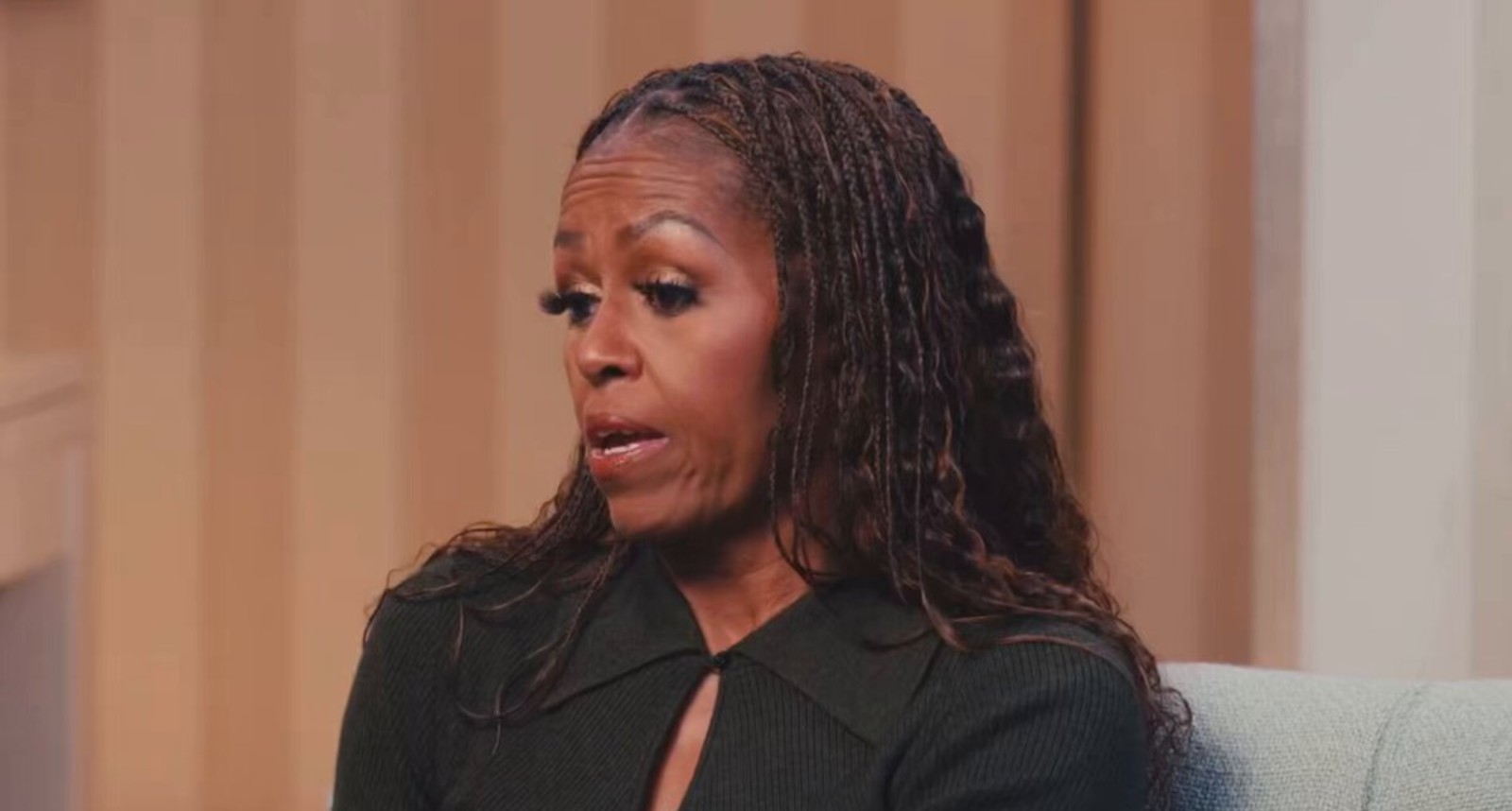
Michelle Obama’s voter organization is taking its 2026 midterm strategy straight into the social media feeds of millions of young Americans.
When We All Vote, the initiative founded by the former first lady, has launched a new “Voting Squad” made up of popular social media creators who will use their enormous online audiences to distribute voter-registration information, election deadlines and issue-focused content ahead of the midterms.
It represents a distinctly modern approach to voter outreach: instead of relying primarily on television commercials, political mailers or traditional campaign operations, election messaging will appear alongside the videos and posts millions of young Americans already consume every day.
When We All Vote describes the Voting Squad as a nonpartisan network, with participating creators using their own personalities, voices and established platforms to reach younger voters.
And its potential reach is enormous.
According to the organization, creators participating in the campaign collectively reach more than 20 million people across social media.
Among them is Brandon Edelman, better known online as Bran Flakezz, whose TikTok following exceeds 1.4 million.
The campaign also includes physician and “medical mythbuster” Joel Bervell, “plant enthusiast” Paige Tailyn and influencer Leon Ondieki, who has approximately 4.5 million TikTok followers.
Rather than asking young voters to seek out election information themselves, the strategy effectively brings that information directly into their existing social-media feeds.
Creators are expected to distribute state-specific election dates and deadlines, explain how issues important to younger voters appear on ballots and direct followers toward fact-checked voting resources.
When We All Vote argues that confusion and a lack of reliable election information remain major obstacles to Gen Z participation.
“At a time when lack of accurate information is one of the main barriers preventing Gen Z from voting, the Voting Squad will serve as trusted messengers to reach and resonate with young voters ahead of the 2026 midterm elections,” the organization said.
The initiative was announced in conjunction with National Voter Registration Day as the political battle for young voters intensifies ahead of November.
Kalisha Dessources Figures, a senior adviser for When We All Vote, made clear that the strategy is designed to insert election information directly into the online environments where younger Americans are already spending their time.
“Registering to vote takes less time than our daily doomscrolls,” Figures said in announcing the campaign.
She said the Voting Squad would bring “hope, community, and reminders of the power of our voices back into our timelines.”
The potential audience is substantial.
When We All Vote estimates that nearly 50 million members of Generation Z will be eligible to vote in the 2026 midterm elections.
That makes the battle for their attention — and ultimately their participation — potentially significant.
The strategy also reflects a major shift in how political and civic organizations attempt to reach younger Americans.
Social-media creators can develop intensely personal relationships with their audiences, often communicating in conversational formats that bear little resemblance to traditional political advertising.
That familiarity can give creators substantial influence with followers who may encounter their content every day.
It also raises the importance of transparency and accuracy when election-related information is mixed into feeds normally filled with entertainment, lifestyle advice and personal content.
When We All Vote identifies itself as a national, nonpartisan initiative focused on increasing voter participation, reducing voting gaps based on age and race, and changing the broader culture surrounding elections.
Obama founded the organization in 2018.
The Voting Squad campaign does not endorse a candidate or political party, according to When We All Vote, and its announced materials focus on voter registration, election deadlines and voting resources.
But the mechanics of the campaign are unmistakably ambitious: put election information in front of millions of young Americans without requiring them to leave the platforms and personalities they already follow.
The organization has been laying the groundwork for a broader Gen Z push throughout 2026.
Its “Pass the Mic to Gen Z” campaign has focused on identifying the issues younger Americans care about and connecting those concerns with civic participation. When We All Vote’s research found that social media plays a major role in Gen Z’s information habits, although traditional news websites and apps remain significant sources as well.
Now the organization is attempting to turn those media habits into real-world political participation.
The central question is whether millions of followers and social-media views will translate into actual registrations — and eventually ballots.
Creators may command enormous audiences, but online reach is not the same thing as voter turnout.
That is what makes the 2026 midterms an important test of the strategy.
Michelle Obama’s organization is betting that some of the most effective messengers for reaching the next generation of voters may not be politicians, campaign advertisements or traditional political organizations at all.
They may be the influencers already appearing on millions of phones every day.
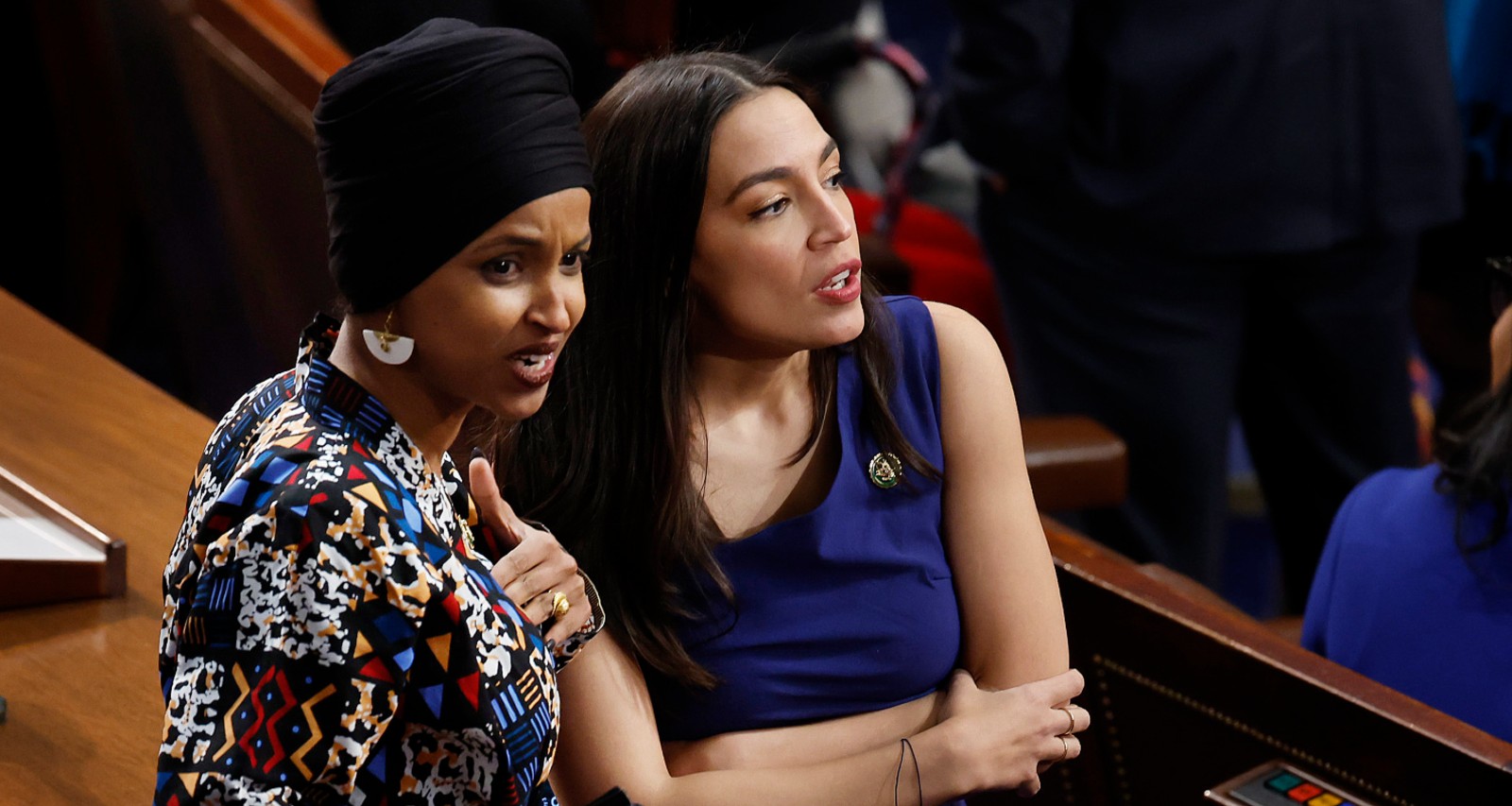
Rep. Ilhan Omar scored a major victory with a congressional ethics watchdog — but the staggering numbers that triggered scrutiny of her finances haven’t simply vanished.
The Office of Congressional Conduct voted 5-1 to recommend dismissing allegations that the Minnesota Democrat filed false or incomplete financial disclosures after a filing dramatically overstated her household wealth.
The controversy began with a disclosure that listed Omar’s household assets at somewhere between $6 million and $30 million.
That was an eye-popping figure compared with previous disclosures showing dramatically smaller holdings, much of them tied to businesses owned by Omar’s husband, former political consultant Tim Mynett.
Then came the correction.
Omar amended the filing and slashed the couple’s reported assets to between just $18,004 and $95,000 — a massive difference from the original figure that reached as high as $30 million.
Despite the enormous discrepancy, OCC investigators concluded there was insufficient evidence to support allegations that Omar had filed false or incomplete information.
The watchdog said there was not “substantial reason to believe” Omar violated applicable financial-disclosure requirements.
Omar’s office quickly seized on the decision as vindication.
“From day one, we have been clear: the Congresswoman is not a millionaire,” her office said.
“This vote clearly underscores that the Congresswoman did nothing wrong,” the statement continued.
Her office also accused “the far right” of trying to “manufacture controversy” surrounding the disclosure mistake.
But the numbers that launched the controversy were dramatic.
At the center of the questions were businesses controlled by Mynett.
Omar’s 2023 disclosure valued Mynett’s stake in Rose Lake Capital at between $1 and $1,000.
The following filing valued the same Washington-based venture-capital management business at somewhere between $5 million and $25 million.
Mynett’s California winery, eStCru LLC, had previously been valued at between $15,001 and $50,000.
Those dramatic increases caught the attention of House Oversight Chairman James Comer, who demanded financial records from Mynett in February.
Comer’s committee noted that the two businesses appeared to jump from a combined value of no more than roughly $51,000 to potentially $30 million in the span of a year.
The Kentucky Republican raised questions about whether undisclosed investors could potentially use Mynett’s companies to seek influence involving a sitting member of Congress.
Comer demanded records detailing the companies’ finances, investors, ownership interests and the enormous reported increases in value.
“It’s not possible. It’s not. I’m a money guy. It’s not possible,” Comer said about the increase.
Omar’s office has consistently maintained that the extraordinary figures were the result of accounting mistakes — not hidden wealth or misconduct.
Her representatives said the original filing relied on incomplete information and reported business assets without properly accounting for liabilities.
Once those liabilities were included, both of Mynett’s businesses were listed as having no net value on Omar’s amended filing.
But the corrected disclosure still reported between $102,502 and $1,005,000 in income from the businesses during 2024.
The winery generated another $2,501 to $5,000, according to the corrected disclosure.
Omar’s attorney told investigators that members of Congress routinely rely on accountants and other professionals when preparing required financial disclosures.
The attorney insisted “there is nothing untoward, and nothing illegal has occurred” regarding the mistake.
Omar has also repeatedly rejected claims that she possesses substantial personal wealth, previously saying she “barely have thousands let alone millions.”
Her newest disclosure paints a financial picture far removed from the multimillion-dollar numbers that initially set off alarms.
That report lists household assets of roughly $20,000 to $125,000, along with student-loan and credit-card debt.
Omar reported between $15,001 and $50,000 in student debt, while Mynett reported credit-card liabilities within a similar range.
The OCC’s decision is significant: its board voted 5-1 to recommend that the House Ethics Committee dismiss this particular financial-disclosure allegation.
But the recommendation addresses this specific ethics allegation. It does not change the fact that the original filing contained valuations Omar later acknowledged were incorrect, nor does it itself resolve separate questions raised by the Republican-led House Oversight Committee.
The Office of Congressional Conduct serves as an independent congressional watchdog, reviewing misconduct allegations and determining whether matters warrant further consideration by the House Ethics Committee.
In Omar’s case, investigators ultimately determined there was not sufficient reason to believe she violated financial-disclosure requirements.
That gives Omar and her allies substantial grounds to push back against accusations that the filing discrepancy amounted to misconduct.
Republicans, meanwhile, continue pointing to the sheer size of the correction and arguing that lawmakers bear responsibility for the financial disclosures they certify.
The broader scrutiny has also unfolded alongside investigations into social-services fraud in Minnesota. The House Oversight inquiry referenced that wider controversy, but its letter did not establish that Omar herself participated in fraud.
For Omar, the watchdog recommendation is a clear political victory in this particular ethics fight.
For her critics, however, one question remains at the center of the controversy: How did a congressional financial disclosure go from reporting household assets potentially worth $30 million to less than $100,000?
Omar’s explanation is that accounting errors produced the inflated figures. The congressional watchdog found insufficient evidence to conclude that she violated disclosure rules.
The House Ethics Committee will determine what happens with the OCC recommendation, while Republican lawmakers continue pressing for answers about the financial numbers that sparked the scrutiny in the first place.

Oil prices took a sharp turn Monday, tumbling to their lowest levels in 11 days as traders reacted to signs of possible diplomatic movement between the United States and Iran — while Saudi Arabia finds new ways to keep massive amounts of crude flowing despite mounting turmoil across the Middle East.
Brent crude for November plunged $2.69, or 2.6%, to $101.18 a barrel by 12:54 p.m. GMT after briefly touching its lowest level since September 10.
U.S. crude fell even harder.
West Texas Intermediate’s October contract, which expires Tuesday, dropped $2.69, or 2.7%, to $97.61 a barrel. The November WTI contract stood at $93.49.
The sudden retreat came despite continued fighting across the Middle East and another exchange of threats between Washington and Tehran over the weekend.
But markets received a potentially significant signal Sunday.
President Donald Trump said he would be open to meeting Iranian President Masoud Pezeshkian, who is expected to travel to New York for this week’s United Nations General Assembly.
Iran has also reportedly conveyed conditions to mediators for potentially reopening negotiations, according to a report citing Iranian security chief Mohsen Rezaei.
Those signals raised the possibility of renewed talks between Washington and Tehran, reducing some of the immediate fears that further escalation could threaten global energy supplies.
But on the ground, the situation remains volatile.
Iran-backed Houthi forces in Yemen said they attacked Riyadh and a Saudi Aramco facility in the Red Sea city of Yanbu while continuing efforts to expand their control in Yemen.
China has also pressed Iran to help restrain the Houthis following an appeal from Saudi Arabia, according to sources familiar with the discussions.
Meanwhile, Saudi Arabia is making major adjustments to keep its oil moving.
Attacks disrupted the kingdom’s East-West pipeline and complicated shipments through Yanbu, but Saudi Aramco has responded by increasing exports through the Strait of Hormuz this month and next.
That shift appears to be having a significant impact on global supply concerns.
“Middle East oil flows remain surprisingly strong despite the disruption to Saudi Arabia’s East-West pipeline,” JPMorgan analysts said in a September 18 note.
The numbers behind the shift are dramatic.
“The most notable pivot has come from Saudi Arabia,” the analysts said, as satellite data indicated Saudi oil moving through the Strait of Hormuz averaged 2.9 million barrels per day over the previous six days.
In August, that figure had been just 700,000 barrels per day.
That massive increase has helped ease immediate fears that the escalating conflict could trigger a much more serious supply crunch.
Oil producers are also increasingly turning to ship-to-ship transfers near Oman to keep crude moving through the region.
Those workarounds have helped prevent a more severe disruption in global supplies, but they aren’t coming cheaply.
Shipping costs have surged as tankers navigate increasingly complicated and potentially dangerous routes.
There are supply concerns elsewhere as well.
Libya’s National Oil Corporation said production at the country’s Sharara oilfield had been partially reduced, although officials did not provide a reason for the reduction.
Monday’s selloff leaves Brent hovering just above the closely watched $100-per-barrel threshold after prices surged above $108 last week.
That puts global oil markets at a critical point.
On one side, continued fighting, attacks on energy infrastructure and disrupted shipping routes are keeping geopolitical risk elevated.
On the other, Saudi Arabia’s ability to reroute enormous quantities of crude — combined with the possibility of renewed diplomacy between Washington and Tehran — is easing fears of an immediate supply shock.
Now traders are turning their attention to New York.
This week’s United Nations meetings could provide the next major signal about whether Washington and Tehran are moving toward negotiations or whether tensions will escalate again.
At the same time, Saudi Arabia is racing to keep crude flowing through one of the world’s most strategically important — and increasingly volatile — energy corridors.
With Brent sitting barely above $100, either development could quickly send oil markets moving again.

Obama Calls It QUITS After Wild Video Goes Viral

Ilhan Omar Removal Vote Is In — Decided By Razor Thin Margin

FINALLY! Americans Get Some MUCH Needed Good News

Trump Bans Lib Outlets – You Won’t Believe What Happened Right After!

Joe Biden’s Daughter Just Dropped Massive Public Bombshell On Her Dad

Democrat Congressman Stuns Party, Endorses GOP Colleague

‘The Five’ Gets Emotional As Greg Gutfeld Announces Tragic News

‘EFFECTIVE IMMEDIATELY’ — Barack Obama Gets Devastating News

Schumer Loses! Court Sides With Trump In Historic Move

Everyday Americans Being Treated As Criminals — Including You, Right Now

Removed From the Country — Ilhan Omar Hit With Horrid News

HUGE: 9/11 Widow Goes Rogue, Makes Damning Call Out During Ground Zero Ceremony
-
 Economy5 months ago
Vance Leaves Meeting, Looks Straight Into Camera, Announces Stunning Arrest
-
 Economy5 months ago
Adam Schiff Facing 30 Years In Prison After Bank Records Leak
-
 Economy5 months ago
Supreme Curt Sides With Trump — He Can Remove The All
-
 Culture3 months ago
Michelle Obama Drops Nasty Bomb About ‘Useless’ Daughter
-
 Economy6 months ago
All Hell Breaks Loose On Fox When Jesse Watters Asks Fetterman One Question
-
 Economy3 months ago
Prayers Pour In After Fox Host Dies: ‘Senseless Murder’
-

 Latest3 months ago
Fox News Stuns With Announcement About 5 Fired Hosts
-

 Border & Security2 months ago
Top Trump Admin And Wife Found Dead — Chilling Update Just Released