
Politics
AUSTIN HIGGINS: The Case For Completing VA’s EHR Transition


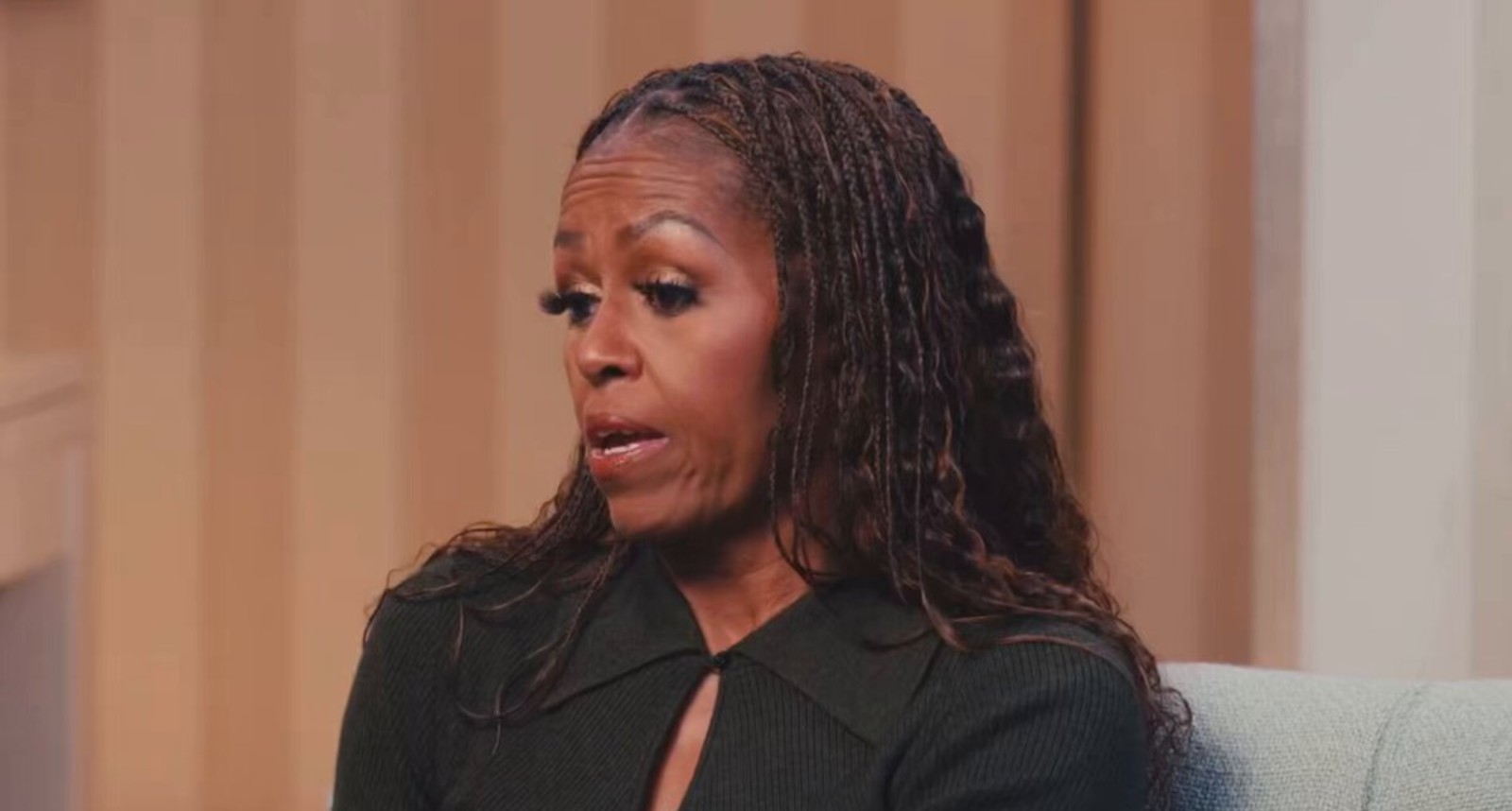
Michelle Obama’s voter organization is taking its 2026 midterm strategy straight into the social media feeds of millions of young Americans.
When We All Vote, the initiative founded by the former first lady, has launched a new “Voting Squad” made up of popular social media creators who will use their enormous online audiences to distribute voter-registration information, election deadlines and issue-focused content ahead of the midterms.
It represents a distinctly modern approach to voter outreach: instead of relying primarily on television commercials, political mailers or traditional campaign operations, election messaging will appear alongside the videos and posts millions of young Americans already consume every day.
When We All Vote describes the Voting Squad as a nonpartisan network, with participating creators using their own personalities, voices and established platforms to reach younger voters.
And its potential reach is enormous.
According to the organization, creators participating in the campaign collectively reach more than 20 million people across social media.
Among them is Brandon Edelman, better known online as Bran Flakezz, whose TikTok following exceeds 1.4 million.
The campaign also includes physician and “medical mythbuster” Joel Bervell, “plant enthusiast” Paige Tailyn and influencer Leon Ondieki, who has approximately 4.5 million TikTok followers.
Rather than asking young voters to seek out election information themselves, the strategy effectively brings that information directly into their existing social-media feeds.
Creators are expected to distribute state-specific election dates and deadlines, explain how issues important to younger voters appear on ballots and direct followers toward fact-checked voting resources.
When We All Vote argues that confusion and a lack of reliable election information remain major obstacles to Gen Z participation.
“At a time when lack of accurate information is one of the main barriers preventing Gen Z from voting, the Voting Squad will serve as trusted messengers to reach and resonate with young voters ahead of the 2026 midterm elections,” the organization said.
The initiative was announced in conjunction with National Voter Registration Day as the political battle for young voters intensifies ahead of November.
Kalisha Dessources Figures, a senior adviser for When We All Vote, made clear that the strategy is designed to insert election information directly into the online environments where younger Americans are already spending their time.
“Registering to vote takes less time than our daily doomscrolls,” Figures said in announcing the campaign.
She said the Voting Squad would bring “hope, community, and reminders of the power of our voices back into our timelines.”
The potential audience is substantial.
When We All Vote estimates that nearly 50 million members of Generation Z will be eligible to vote in the 2026 midterm elections.
That makes the battle for their attention — and ultimately their participation — potentially significant.
The strategy also reflects a major shift in how political and civic organizations attempt to reach younger Americans.
Social-media creators can develop intensely personal relationships with their audiences, often communicating in conversational formats that bear little resemblance to traditional political advertising.
That familiarity can give creators substantial influence with followers who may encounter their content every day.
It also raises the importance of transparency and accuracy when election-related information is mixed into feeds normally filled with entertainment, lifestyle advice and personal content.
When We All Vote identifies itself as a national, nonpartisan initiative focused on increasing voter participation, reducing voting gaps based on age and race, and changing the broader culture surrounding elections.
Obama founded the organization in 2018.
The Voting Squad campaign does not endorse a candidate or political party, according to When We All Vote, and its announced materials focus on voter registration, election deadlines and voting resources.
But the mechanics of the campaign are unmistakably ambitious: put election information in front of millions of young Americans without requiring them to leave the platforms and personalities they already follow.
The organization has been laying the groundwork for a broader Gen Z push throughout 2026.
Its “Pass the Mic to Gen Z” campaign has focused on identifying the issues younger Americans care about and connecting those concerns with civic participation. When We All Vote’s research found that social media plays a major role in Gen Z’s information habits, although traditional news websites and apps remain significant sources as well.
Now the organization is attempting to turn those media habits into real-world political participation.
The central question is whether millions of followers and social-media views will translate into actual registrations — and eventually ballots.
Creators may command enormous audiences, but online reach is not the same thing as voter turnout.
That is what makes the 2026 midterms an important test of the strategy.
Michelle Obama’s organization is betting that some of the most effective messengers for reaching the next generation of voters may not be politicians, campaign advertisements or traditional political organizations at all.
They may be the influencers already appearing on millions of phones every day.
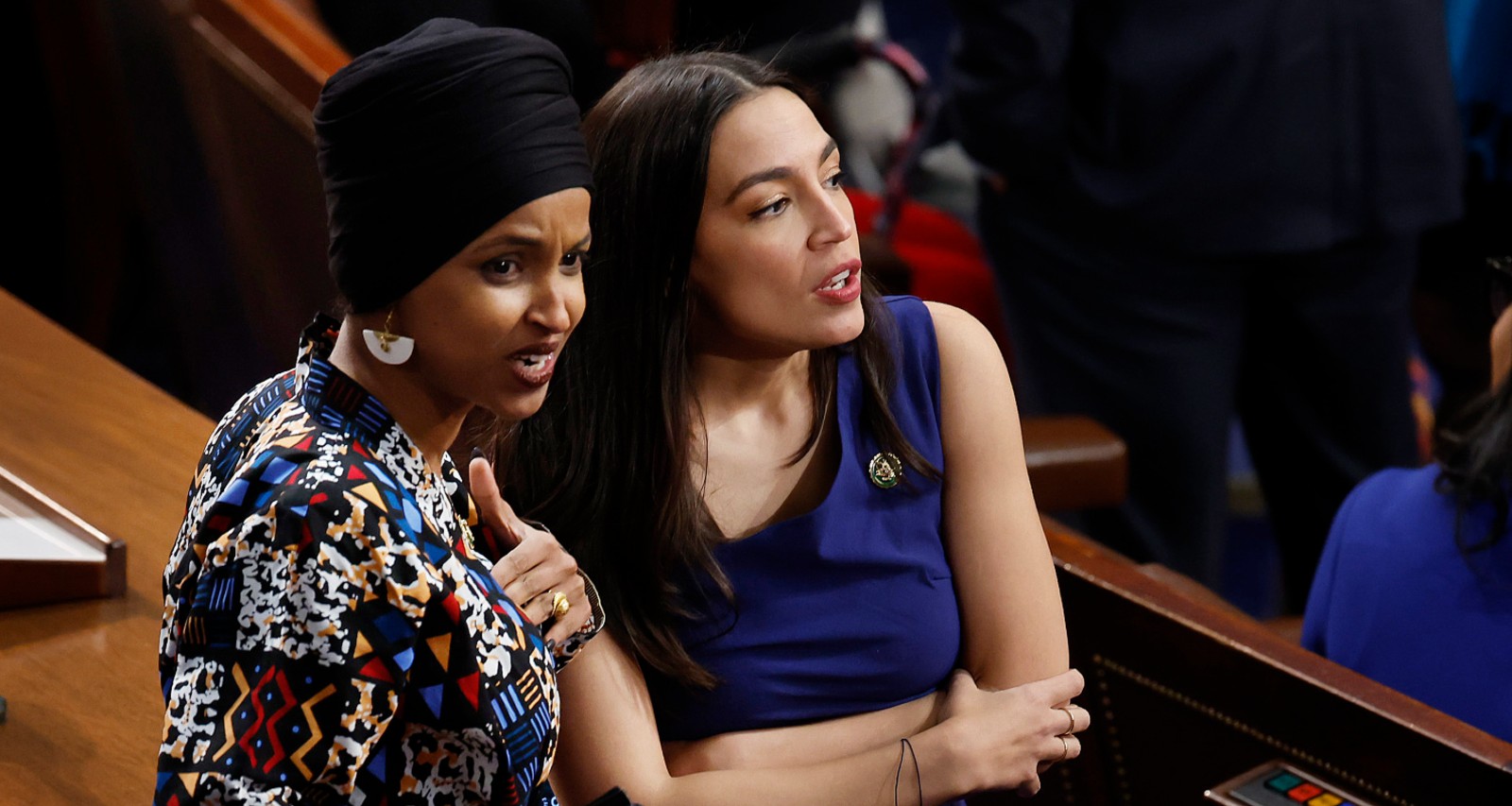
Rep. Ilhan Omar scored a major victory with a congressional ethics watchdog — but the staggering numbers that triggered scrutiny of her finances haven’t simply vanished.
The Office of Congressional Conduct voted 5-1 to recommend dismissing allegations that the Minnesota Democrat filed false or incomplete financial disclosures after a filing dramatically overstated her household wealth.
The controversy began with a disclosure that listed Omar’s household assets at somewhere between $6 million and $30 million.
That was an eye-popping figure compared with previous disclosures showing dramatically smaller holdings, much of them tied to businesses owned by Omar’s husband, former political consultant Tim Mynett.
Then came the correction.
Omar amended the filing and slashed the couple’s reported assets to between just $18,004 and $95,000 — a massive difference from the original figure that reached as high as $30 million.
Despite the enormous discrepancy, OCC investigators concluded there was insufficient evidence to support allegations that Omar had filed false or incomplete information.
The watchdog said there was not “substantial reason to believe” Omar violated applicable financial-disclosure requirements.
Omar’s office quickly seized on the decision as vindication.
“From day one, we have been clear: the Congresswoman is not a millionaire,” her office said.
“This vote clearly underscores that the Congresswoman did nothing wrong,” the statement continued.
Her office also accused “the far right” of trying to “manufacture controversy” surrounding the disclosure mistake.
But the numbers that launched the controversy were dramatic.
At the center of the questions were businesses controlled by Mynett.
Omar’s 2023 disclosure valued Mynett’s stake in Rose Lake Capital at between $1 and $1,000.
The following filing valued the same Washington-based venture-capital management business at somewhere between $5 million and $25 million.
Mynett’s California winery, eStCru LLC, had previously been valued at between $15,001 and $50,000.
Those dramatic increases caught the attention of House Oversight Chairman James Comer, who demanded financial records from Mynett in February.
Comer’s committee noted that the two businesses appeared to jump from a combined value of no more than roughly $51,000 to potentially $30 million in the span of a year.
The Kentucky Republican raised questions about whether undisclosed investors could potentially use Mynett’s companies to seek influence involving a sitting member of Congress.
Comer demanded records detailing the companies’ finances, investors, ownership interests and the enormous reported increases in value.
“It’s not possible. It’s not. I’m a money guy. It’s not possible,” Comer said about the increase.
Omar’s office has consistently maintained that the extraordinary figures were the result of accounting mistakes — not hidden wealth or misconduct.
Her representatives said the original filing relied on incomplete information and reported business assets without properly accounting for liabilities.
Once those liabilities were included, both of Mynett’s businesses were listed as having no net value on Omar’s amended filing.
But the corrected disclosure still reported between $102,502 and $1,005,000 in income from the businesses during 2024.
The winery generated another $2,501 to $5,000, according to the corrected disclosure.
Omar’s attorney told investigators that members of Congress routinely rely on accountants and other professionals when preparing required financial disclosures.
The attorney insisted “there is nothing untoward, and nothing illegal has occurred” regarding the mistake.
Omar has also repeatedly rejected claims that she possesses substantial personal wealth, previously saying she “barely have thousands let alone millions.”
Her newest disclosure paints a financial picture far removed from the multimillion-dollar numbers that initially set off alarms.
That report lists household assets of roughly $20,000 to $125,000, along with student-loan and credit-card debt.
Omar reported between $15,001 and $50,000 in student debt, while Mynett reported credit-card liabilities within a similar range.
The OCC’s decision is significant: its board voted 5-1 to recommend that the House Ethics Committee dismiss this particular financial-disclosure allegation.
But the recommendation addresses this specific ethics allegation. It does not change the fact that the original filing contained valuations Omar later acknowledged were incorrect, nor does it itself resolve separate questions raised by the Republican-led House Oversight Committee.
The Office of Congressional Conduct serves as an independent congressional watchdog, reviewing misconduct allegations and determining whether matters warrant further consideration by the House Ethics Committee.
In Omar’s case, investigators ultimately determined there was not sufficient reason to believe she violated financial-disclosure requirements.
That gives Omar and her allies substantial grounds to push back against accusations that the filing discrepancy amounted to misconduct.
Republicans, meanwhile, continue pointing to the sheer size of the correction and arguing that lawmakers bear responsibility for the financial disclosures they certify.
The broader scrutiny has also unfolded alongside investigations into social-services fraud in Minnesota. The House Oversight inquiry referenced that wider controversy, but its letter did not establish that Omar herself participated in fraud.
For Omar, the watchdog recommendation is a clear political victory in this particular ethics fight.
For her critics, however, one question remains at the center of the controversy: How did a congressional financial disclosure go from reporting household assets potentially worth $30 million to less than $100,000?
Omar’s explanation is that accounting errors produced the inflated figures. The congressional watchdog found insufficient evidence to conclude that she violated disclosure rules.
The House Ethics Committee will determine what happens with the OCC recommendation, while Republican lawmakers continue pressing for answers about the financial numbers that sparked the scrutiny in the first place.
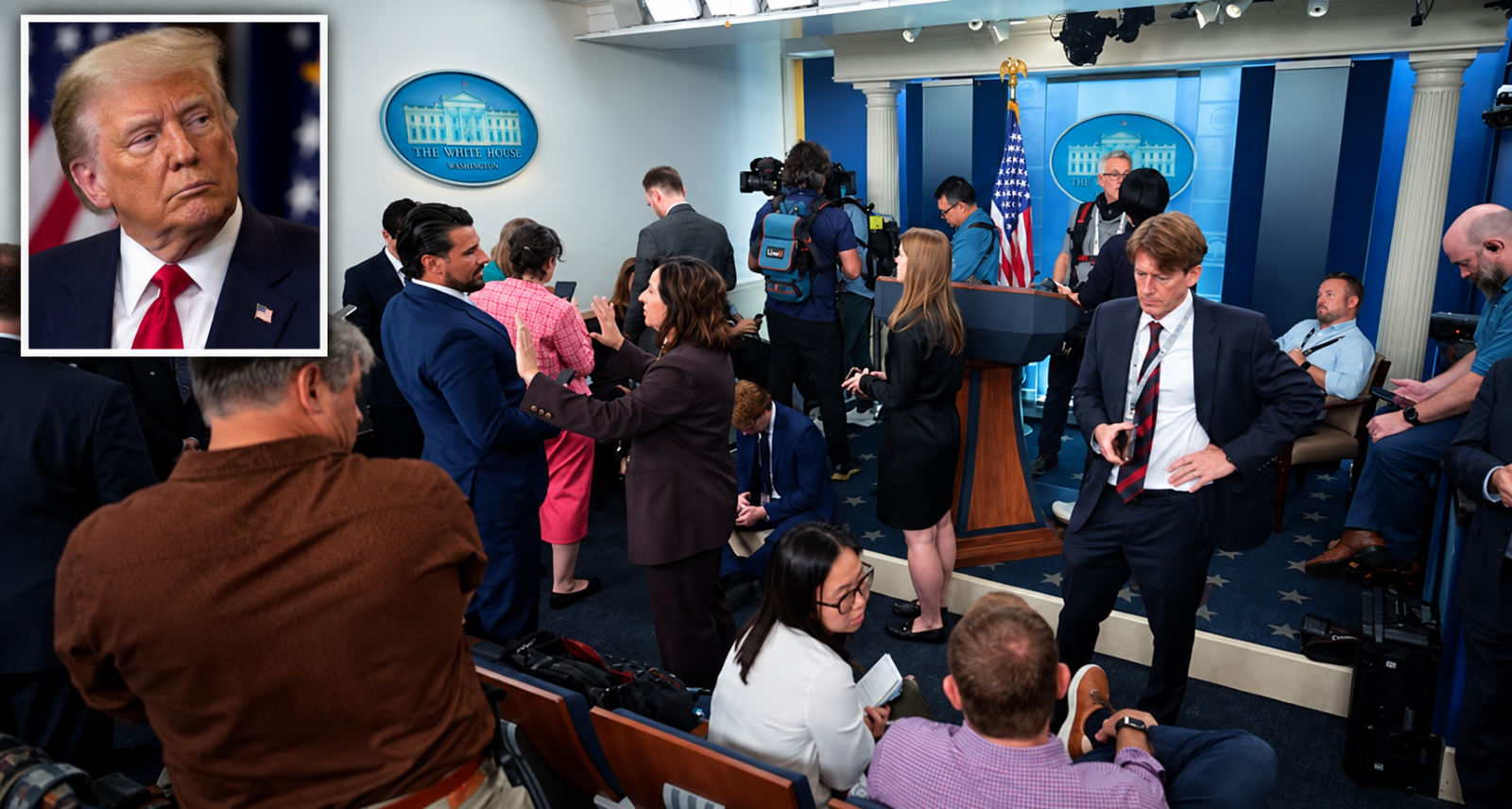
President Donald Trump’s escalating battle with the national media has exploded into a full-blown legal showdown after his administration barred CNN, MS NOW and Politico reporters from the White House — a move prominent Republicans are now publicly defending.
Trump announced Friday that the three organizations would no longer be permitted inside the White House, accusing them of repeatedly publishing what he described as “fake news” and unfair coverage of his administration.
By Saturday, the threat had become reality.
Reporters from all three organizations were denied entry to the White House, with some saying their credentials had been deactivated or confiscated.
Now Republicans are lining up behind the president, arguing that news organizations do not have an automatic right to coveted access inside the White House complex.
House Majority Leader Steve Scalise, R-La., defended Trump during an appearance Sunday on ABC’s “This Week.”
“There are literally thousands of media outlets in America,” Scalise said.
Scalise pointed to the obvious physical limitations of the White House press operation, arguing that only a fraction of America’s news organizations can operate from inside the complex and that the administration has authority over who receives that access.
Sen. Bernie Moreno, R-Ohio, also defended Trump’s decision, pointing to what he described as years of inaccurate and unfair coverage of the president.
Other Republicans have made a similar argument: barring reporters from physically entering the White House does not prevent CNN, MS NOW or Politico from continuing to report on the Trump administration.
And Trump has indicated the crackdown may not end with those three organizations.
“Other Fake News Media Outlets to follow,” Trump wrote.
Asked about other organizations that could potentially lose access, Trump criticized The New York Times and The Washington Post but stopped short of announcing additional bans.
The media organizations targeted by Trump aren’t backing down.
CNN, MS NOW and Politico filed a federal lawsuit Monday seeking restoration of their White House access, arguing that the administration retaliated against them because it objected to their journalism.
The organizations are seeking a temporary restraining order that could quickly force the constitutional fight before a federal judge.
“This morning, we notified the government that we are filing a lawsuit today to protect our First Amendment rights and defend the principle that the government does not decide what the press reports or publishes,” the organizations said in a joint statement.
The White House Correspondents’ Association has also pushed back.
WHCA President Jacqui Heinrich, a Fox News anchor, called on the administration to restore the organizations’ access, arguing that allowing the government to exclude journalists because officials object to their reporting could establish a precedent affecting other news organizations.
And the criticism isn’t coming exclusively from Trump’s political opponents.
Some prominent conservatives have openly broken with the president over the decision.
Former White House press secretary and Fox News contributor Ari Fleischer argued that conservatives should confront media organizations they believe are biased rather than remove their access.
“Argue and defeat them,” Fleischer said. “Don’t ban them. Or one day they’ll ban us.”
Fox News contributor and legal scholar Jonathan Turley similarly called excluding disfavored media organizations from the White House a “terrible precedent and practice.”
The showdown is the latest front in Trump’s continuing fight with the national press.
Early in Trump’s second term, the White House took control over decisions involving which journalists participate in the presidential press pool — a responsibility traditionally handled by the White House Correspondents’ Association.
The administration also previously restricted Associated Press access following a dispute over the organization’s decision to continue using the name Gulf of Mexico while acknowledging Trump’s executive order renaming it the Gulf of America.
That dispute also landed in federal court.
And there is significant history surrounding fights over White House press credentials.
During Trump’s first term in 2018, his administration revoked CNN correspondent Jim Acosta’s press pass following a contentious exchange with the president.
CNN sued.
A federal judge subsequently ordered the White House to temporarily restore Acosta’s credentials while citing due-process concerns.
An even older case could also loom large over the current fight.
In the 1977 case *Sherrill v. Knight*, a federal appeals court held that once the White House establishes press facilities, decisions involving credentials are subject to constitutional protections and cannot be made arbitrarily.
That precedent could become a major issue as CNN, MS NOW and Politico attempt to convince a federal court that Trump’s latest restrictions crossed a constitutional line.
For Trump and his Republican defenders, the argument centers on whether any particular media organization is entitled to special physical access to the White House.
For the three news organizations, the issue is fundamentally different: they contend the government cannot selectively revoke access in retaliation for reporting it dislikes.
Now that fight is moving from the White House briefing room to a federal courtroom — where a judge could determine just how far a president can go when deciding which journalists are allowed through the gates.

Obama Calls It QUITS After Wild Video Goes Viral

Ilhan Omar Removal Vote Is In — Decided By Razor Thin Margin

FINALLY! Americans Get Some MUCH Needed Good News

Trump Bans Lib Outlets – You Won’t Believe What Happened Right After!

Joe Biden’s Daughter Just Dropped Massive Public Bombshell On Her Dad

Democrat Congressman Stuns Party, Endorses GOP Colleague

‘The Five’ Gets Emotional As Greg Gutfeld Announces Tragic News

‘EFFECTIVE IMMEDIATELY’ — Barack Obama Gets Devastating News

Schumer Loses! Court Sides With Trump In Historic Move

Everyday Americans Being Treated As Criminals — Including You, Right Now

Removed From the Country — Ilhan Omar Hit With Horrid News

HUGE: 9/11 Widow Goes Rogue, Makes Damning Call Out During Ground Zero Ceremony
-
 Economy5 months ago
Vance Leaves Meeting, Looks Straight Into Camera, Announces Stunning Arrest
-
 Economy5 months ago
Adam Schiff Facing 30 Years In Prison After Bank Records Leak
-
 Economy5 months ago
Supreme Curt Sides With Trump — He Can Remove The All
-
 Culture3 months ago
Michelle Obama Drops Nasty Bomb About ‘Useless’ Daughter
-
 Economy6 months ago
All Hell Breaks Loose On Fox When Jesse Watters Asks Fetterman One Question
-
 Economy3 months ago
Prayers Pour In After Fox Host Dies: ‘Senseless Murder’
-

 Latest3 months ago
Fox News Stuns With Announcement About 5 Fired Hosts
-

 Border & Security2 months ago
Top Trump Admin And Wife Found Dead — Chilling Update Just Released