
Latest
Trump Just Released Obama Emails — Could Mean JAIL

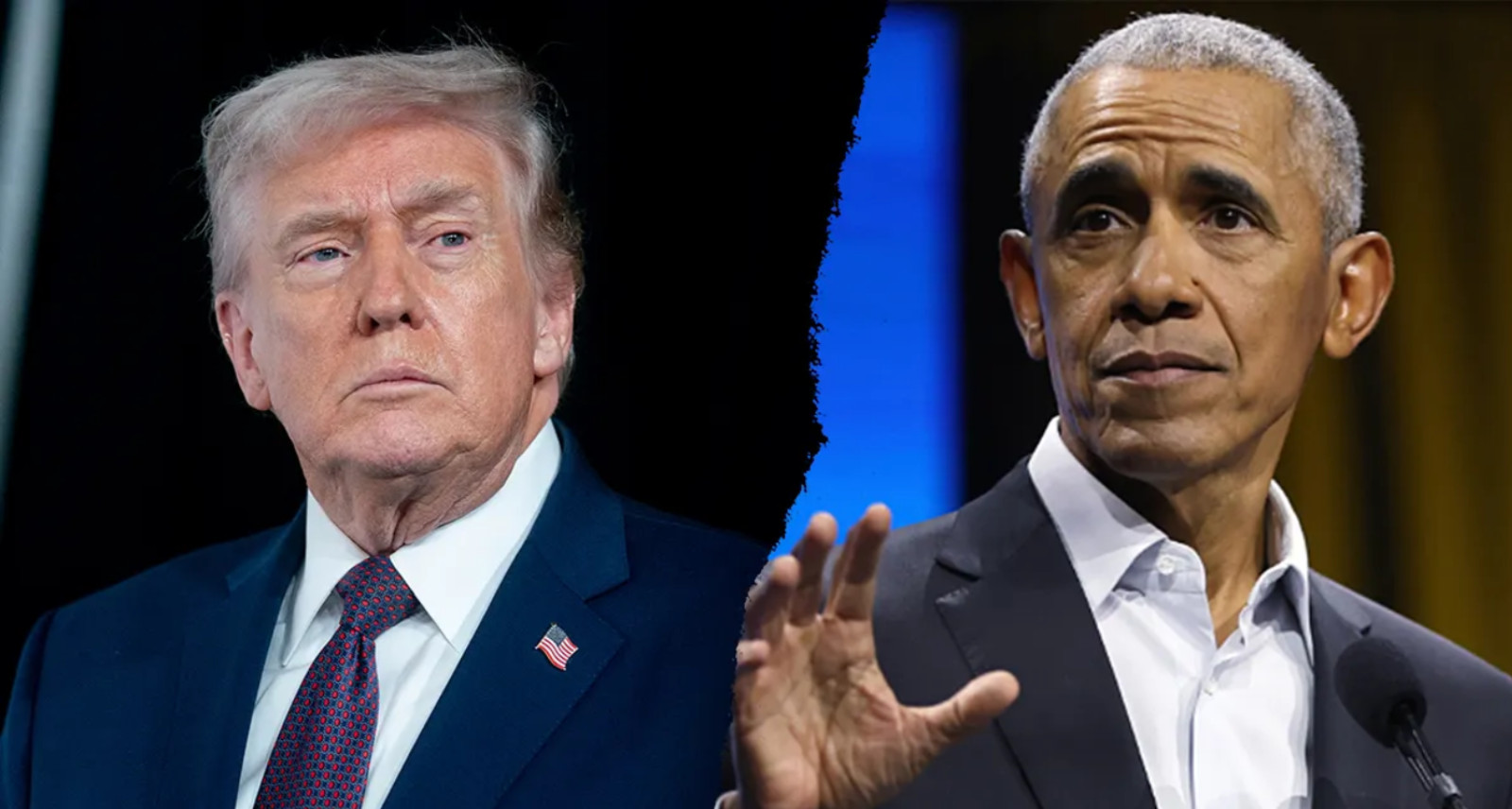
Newly declassified FBI records are drawing renewed scrutiny to the federal investigation targeting President Donald Trump, revealing extensive monitoring of communications involving his political advisers, defense attorneys and journalists, along with detailed tracking of his family’s travel ahead of the 2022 Mar-a-Lago search.
The documents, released through a White House transparency initiative, offer a detailed look inside the FBI investigation known as “Plasmic Echo” and raise questions about how federal authorities handled one of the most politically sensitive investigations in American history.
Among the most significant disclosures are records showing investigators collected telephone metadata involving Susie Wiles, now Trump’s White House chief of staff, and examined communications connecting her to at least 21 attorneys, political advisers and members of the news media.
The records also shed light on the involvement of senior FBI and Justice Department officials, including former FBI Director Christopher Wray, former Deputy Attorney General Lisa Monaco and former Attorney General Merrick Garland.
Independent journalist Catherine Herridge highlighted several of the disclosures, including internal memoranda documenting investigative approvals, telephone monitoring and preparations for the August 2022 search of Trump’s Florida residence.
The revelations have intensified questions about the scope of the investigation, particularly the government’s collection of communications data involving individuals engaged in legal representation, political activities and journalism.
According to the records described in the report, federal investigators used pen register and trap-and-trace technology to collect information about calls made to and from Wiles’ telephone between at least February and May 2023.
Unlike traditional wiretapping, these investigative tools generally capture communications metadata rather than the contents of conversations.
That information can include telephone numbers, call timing and other routing details, allowing investigators to map patterns of communication.
The documents reportedly show that agents cataloged Wiles’ contacts with at least 21 attorneys associated with Trump, as well as campaign officials, political advisers and journalists.
Among the media organizations identified in the records were CNN, The Washington Post, Politico and Just the News.
The inclusion of journalists and attorneys in the records does not establish that those individuals were themselves under criminal investigation. However, the collection of such information raises questions about how investigators protected attorney-client confidentiality, press freedoms and politically sensitive communications.
A March 10, 2023, FBI memorandum reportedly contained three pages detailing Wiles’ telephone contacts.
Investigators subsequently interviewed Wiles on April 7, 2023, presenting her with several pages of communications information.
Additional records indicate agents continued examining her telephone activity around the time of that interview, searching for contacts they considered relevant to the investigation.
One entry documented a May 19, 2023, telephone call originating from a number identified in FBI records as Trump’s personal “vanity number.”
The call reportedly lasted 16 minutes and 11 seconds.
Although investigators recorded the connection and duration, the documents do not establish what Trump and Wiles discussed.
Other records referenced contacts involving individuals connected to Trump’s political activities, including Kash Patel, who now serves as FBI director.
An unnamed former senior FBI official cited by Herridge compared the investigative approach to a technique sometimes called “tickle the wire,” in which authorities analyze communications patterns to identify possible leads.
The monitoring has prompted questions about how extensively federal investigators examined the communications networks surrounding Trump while he was out of office and preparing for another presidential campaign.
The declassified material also provides insight into the approval process for sensitive investigative activity.
Herridge highlighted a March 2022 memorandum bearing Wray’s initials and a handwritten recommendation from Monaco addressed to Garland.
“Merrick, I recommend you approve, Lisa 3/25/22,” the notation stated.
The heavily redacted document addressed Justice Department procedures governing investigations with significant political implications.
It emphasized the importance of notifying senior department leadership about investigations that could affect the democratic process, particularly if investigative activity became public before an election.
The investigation was designated a “Sensitive Investigative Matter,” a classification requiring heightened oversight because of its political, constitutional or institutional implications.
The records indicate that senior Justice Department officials participated in reviewing sensitive investigative decisions.
However, the disclosed approval process does not independently establish that any official authorized unlawful surveillance or directed investigators to pursue Trump for partisan purposes.
Another significant disclosure involves the FBI’s preparations for its August 8, 2022, search of Trump’s Mar-a-Lago estate in Palm Beach, Florida.
Internal communications reportedly instructed agents to establish the travel schedules of Trump, former first lady Melania Trump and their son Barron before executing the search.
One planning document directed investigators to finalize their understanding of the family’s movements, including aircraft information and specific travel timelines.
Another indicated that agents intended to execute search warrants after Trump departed the property.
The records suggest investigators were coordinating the operation around the family’s absence, although they do not establish that the travel monitoring was conducted for an improper purpose.
The search ultimately occurred while Trump was away from Mar-a-Lago.
Federal agents executed a judicially authorized warrant seeking classified information, national-defense information and government records.
The newly disclosed material also reveals that investigators were not uniformly in agreement about the proposed operation.
According to a July 13, 2022, internal memorandum, personnel in the FBI’s Washington Field Office questioned whether investigators had established sufficient probable cause to justify searching Trump’s residence.
Some agents reportedly believed additional efforts to recover the disputed documents without executing a search warrant could be more productive.
The memorandum also described frustration over the length of time spent attempting to establish probable cause.
Those internal disagreements offer a more complicated picture of the investigation than a process in which every participating official supported the same strategy.
They also raise questions about how prosecutors and FBI personnel weighed less intrusive alternatives before ultimately pursuing the warrant.
A federal magistrate judge subsequently authorized the search, meaning the application satisfied the legal standard for probable cause at the time it was reviewed.
That judicial authorization is an important distinction: internal disagreement over investigative strategy does not, by itself, establish that the search was unlawful.
Nevertheless, the newly disclosed records provide additional material for examining how investigators reached their decisions, what alternatives they considered and how the Justice Department handled an investigation involving a former president and political candidate.
For Trump and his allies, the disclosures are likely to renew demands for accountability over the federal government’s investigative practices during the Biden administration.
The collection of Wiles’ communications metadata, the identification of contacts involving defense attorneys and journalists, and the detailed planning surrounding the Mar-a-Lago operation all present questions about the scope and safeguards of politically sensitive investigations.
For the Justice Department and FBI, the central issue is whether each investigative step complied with applicable legal standards and internal procedures.
The documents described in the report establish a basis for further scrutiny, but they do not alone prove that federal officials acted illegally or that the investigation was initiated for political retaliation.
The release also leaves important questions unanswered, including the complete justification for the communications monitoring, the contents of redacted approval memoranda and the precise reasoning behind decisions to pursue a search warrant despite objections from some FBI personnel.
What is clear from the reported disclosures is that the investigation extended well beyond a simple review of documents stored at Mar-a-Lago.
It involved detailed examination of communications among Trump’s advisers, legal representatives and media contacts, as well as operational planning concerning the movements of members of his family.
As additional records become available, the debate will center on whether those measures were justified by legitimate investigative needs and whether sufficient protections existed for constitutionally sensitive activities.
The declassified material has reopened scrutiny of decisions made at the highest levels of federal law enforcement during a consequential period in American politics.
For now, the disclosures offer new details about the investigation’s reach while leaving unresolved the larger question of whether federal authorities exercised their powers appropriately.
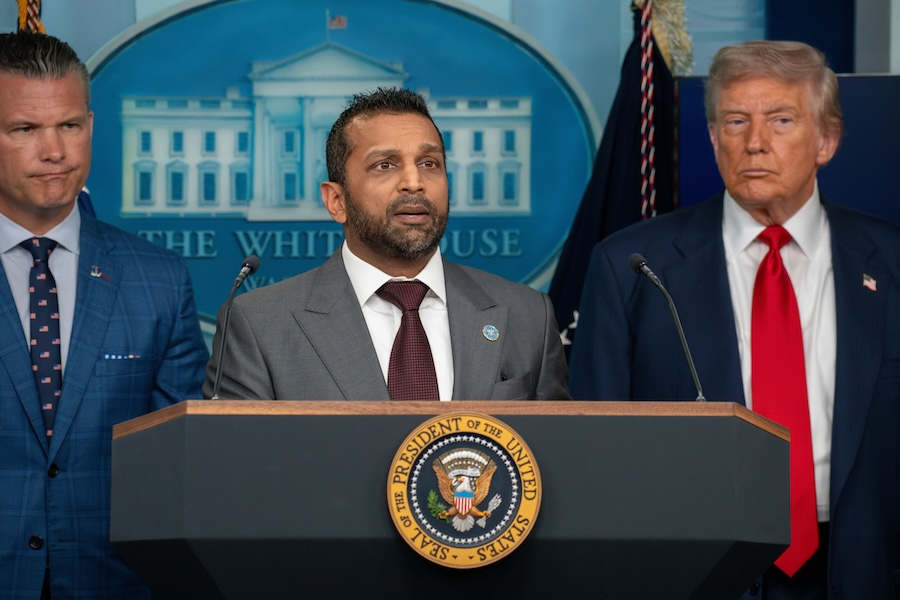
Federal authorities are investigating a series of suspicious letters sent to government offices across the United States, including congressional offices on Capitol Hill and election administration facilities in multiple states, raising security concerns less than three weeks before the November 3 midterm elections.
The FBI confirmed that it is working alongside the U.S. Postal Inspection Service and other law enforcement agencies to identify those responsible for the mailings, some of which reportedly contained unidentified substances.
Fox News correspondent Bill Melugin shared a statement from the bureau Thursday confirming the investigation and outlining the federal response.
“The FBI and U.S. Postal Inspection Service are investigating a series of suspicious mailings sent to various addresses nationwide, including Secretary of State offices and their related election offices,” an FBI spokesperson said.
“Some of the letters contained an unknown substance and we are working closely with our law enforcement partners to respond to each incident. We are also working with our partners to identify the individual or individuals responsible for the letters.”
The statement concluded with the FBI emphasizing its responsibility to protect the public and safeguard the election process.
The investigation has expanded beyond state election offices to include congressional facilities in Washington, D.C.
According to Bloomberg Government, U.S. Capitol Police joined federal investigators after suspicious letters were reportedly sent to multiple congressional offices.
A Thursday security alert distributed to congressional staff instructed employees to remain vigilant, report suspicious activity immediately and follow established procedures for handling potentially dangerous mail.
Authorities were also reportedly working to identify and intercept additional letters before they reached their intended destinations.
The warning came amid growing concerns that the mailings could disrupt government operations or create fear among public employees responsible for administering elections.
One detail in the Capitol Hill alert has attracted particular attention.
According to the New York Post, a security warning included a photograph of an envelope bearing the initials “DSA” and a return address associated with a Manhattan building previously listed on Democratic Socialists of America membership materials.
The markings and return address have not been established as authentic indicators of who mailed the envelope.
Investigators have not publicly identified the sender, and the address does not establish that Democratic Socialists of America or anyone affiliated with the organization participated in the incidents.
Return addresses and other markings on suspicious mail can be falsified, making forensic examination and corroborating evidence necessary before responsibility can be determined.
The broader investigation follows reports of suspicious letters reaching or being intercepted near election offices in several states.
In Ohio, Secretary of State Frank LaRose disclosed Wednesday that postal investigators had intercepted an envelope containing a white powdery substance before it reached his office.
LaRose said the FBI was investigating the incident and that county election boards had been notified to remain alert for similar mailings.
His office emphasized that election security measures and contingency procedures were already in place.
Ohio officials also reassured voters that the state’s election operations remained secure despite the incident.
Similar scares were reported in Louisiana and Oklahoma.
According to CNN, election officials in those states received suspicious letters Tuesday, prompting authorities to evacuate affected offices while emergency personnel assessed the potential danger.
No injuries were reported in the Louisiana, Oklahoma or Ohio incidents described in the initial coverage.
Officials have not publicly identified the substances found in the mailings or confirmed that they were hazardous.
That distinction is significant because the presence of an unidentified powder does not necessarily mean a letter contains a toxic, biological or otherwise dangerous material.
Law enforcement agencies generally treat suspicious substances as potentially hazardous until testing determines their composition.
The nationwide investigation also raises questions about whether the incidents were coordinated.
The FBI has confirmed that investigators are examining a series of mailings sent to government offices, but the bureau has not publicly established that all the letters originated from the same individual or group.
Nor has it announced a suspected motive.
The timing is particularly sensitive because election officials across the country are preparing for the November 3 midterms.
Secretary of State offices and local election boards play important roles in administering elections, maintaining voter records, coordinating ballot procedures and communicating with local election authorities.
Disruptions to those offices during the final weeks before Election Day can create operational challenges even when a suspicious mailing ultimately proves harmless.
The reported incidents have therefore prompted a coordinated response involving federal, state and congressional security officials.
The U.S. Postal Inspection Service is responsible for investigating crimes involving the mail, including threatening correspondence and potentially hazardous materials sent through the postal system.
The FBI may become involved when suspicious mailings raise concerns about federal criminal offenses, threats against government officials or interference with election-related operations.
Capitol Police, meanwhile, are responsible for protecting Congress and its facilities, making the agency a central participant when suspicious packages or letters are directed toward congressional offices.
The involvement of multiple agencies reflects the geographic scope of the reported incidents and the need to examine possible connections among the mailings.
Investigators may review physical evidence, postal processing information, surveillance footage and other records to determine where the letters originated and whether they were sent by a common source.
However, officials have not publicly disclosed specific forensic findings or identified any suspects.
The FBI first acknowledged the nationwide investigation Wednesday night, according to the supplied reporting, before its statement was shared publicly by Melugin on Thursday.
The bureau has not announced arrests, criminal charges or confirmed links to any political organization.
It also has not established that the incidents were intended to influence the upcoming election.
For now, the known developments include suspicious mailings to government offices, reports of unidentified substances, security alerts issued to congressional personnel and an active multiagency investigation.
The discovery of the letters has prompted heightened precautions, but the available reporting does not establish that election systems have been compromised or that voting operations have been materially affected.
Authorities continue to urge government employees to follow security protocols and report potentially threatening correspondence rather than opening or handling suspicious materials.
As the midterm elections approach, investigators face the task of identifying whoever sent the letters, determining whether the substances pose an actual danger and establishing whether the incidents are connected.
Until those questions are answered, the investigation remains active, with federal authorities working to protect public employees and maintain the security of government and election offices nationwide.
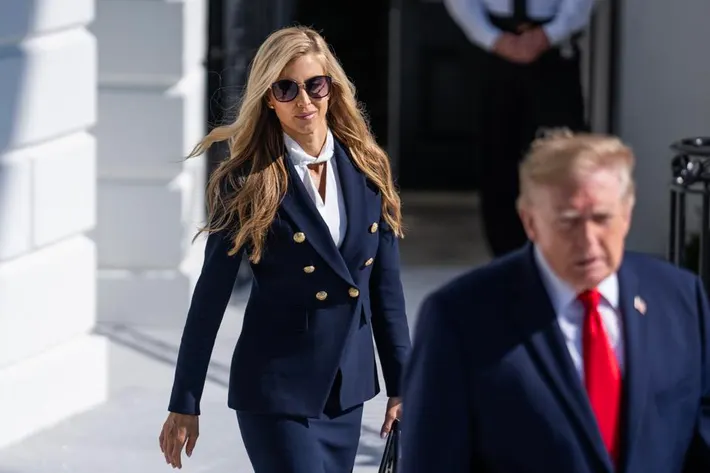
Fox News host Sean Hannity delivered a sharp rebuke of mainstream media coverage Tuesday night, accusing journalists of applying a glaring double standard in their treatment of newly appointed White House Press Secretary Katie Zacharia.
Hannity’s criticism came after Zacharia’s first official White House press briefing drew negative commentary about her performance, qualifications and appearance.
During his primetime Fox News program, Hannity defended Zacharia and questioned why some of the same media voices now scrutinizing her had, in his view, been considerably less aggressive toward former Biden administration Press Secretary Karine Jean-Pierre.
“All right. A perfectly normal question and answer,” Hannity began after playing a clip from Zacharia’s debut briefing.
He then launched into a broader criticism of the national press corps, accusing journalists of prioritizing political attacks over substantive coverage of the administration.
“But most of the so-called journalists, and I say so-called because that’s what I mean, we have an abusively biased, corrupt news media in this country, the legacy media mob, as I affectionately refer to them, they are not interested in real questions and real answers,” Hannity said.
“They are out for blood. Zacharia has been mocked, she’s been attacked over her appearance, her hair, the way she spoke,” he continued.
Hannity argued that the criticism went beyond ordinary scrutiny of a public official and included personal attacks unrelated to Zacharia’s ability to communicate the administration’s policies.
“They questioned her intelligence, her credentials, they even asked about her bar exam. Could you imagine the press asking similar questions to Karine Jean-Pierre, asking about her background, her record?” Hannity asked.
“With Zacharia, the blowback was immediate, it was nasty. And all of this from a group of people that claim to champion women in the workplace,” he added.
His remarks reflected a familiar criticism among conservative commentators who contend that Republican administration officials receive more hostile treatment from national news organizations than their Democratic counterparts.
Hannity specifically contrasted Zacharia’s reception with the coverage of Jean-Pierre, who served as White House press secretary under former President Joe Biden.
He argued that Jean-Pierre received more favorable treatment despite facing criticism over her own briefing-room performances and responses to reporters.
Those assertions represent Hannity’s assessment of media coverage rather than an independently established comparison of how the two press secretaries were treated.
Zacharia began her first briefing Tuesday morning by expressing gratitude to President Donald Trump for selecting her to serve as the administration’s chief spokesperson.
“Good morning. I am so honored to work for President Trump and the American people as the new White House press secretary. I want to thank President Trump for his trust that he has placed in me,” Zacharia said.
She also emphasized her longstanding desire to work for Trump and her enthusiasm about joining the White House communications team during the final weeks before the November midterm elections.
“I have wanted to work for him for a very long time. I am looking forward to working with each of you as well, especially as we are in the middle of the midterm blitz with energy and excitement never seen before in the history of midterms thanks to President Trump,” she continued.
Zacharia used the briefing to highlight the administration’s political messaging and Trump’s ongoing campaign appearances on behalf of Republican candidates.
“President Trump delivers on every promise,” she declared.
Asked about the president’s campaign schedule and the upcoming midterms, Zacharia pointed to enthusiasm at his recent rallies.
“President Trump delivered another blockbuster rally…the arena was filled with enthusiasm,” she said.
Her enthusiastic presentation reflected the administration’s efforts to emphasize Trump’s political influence as Republicans prepared for the November elections.
But the briefing also included a significant personnel announcement.
Zacharia confirmed that the White House had requested the resignation of Kimberly Guilfoyle, the U.S. ambassador to Greece and a longtime Trump political ally.
“We have asked Ambassador Guilfoyle to resign. She has been a wonderful asset to the team, and we wish her luck,” Zacharia said.
The announcement followed reports of allegations concerning Guilfoyle’s financial dealings and conduct during her diplomatic assignment.
Guilfoyle has denied wrongdoing and pledged to defend her reputation against the accusations.
Her departure became one of the major developments emerging from Zacharia’s first appearance before the White House press corps.
Trump had previously announced Zacharia’s selection through his Truth Social platform, describing her as a loyal supporter and expressing confidence in her ability to represent the administration.
Her appointment followed the departure of Karoline Leavitt, who left the White House at the end of August after the birth of her second child.
Leavitt, who had become the youngest White House press secretary in American history, reportedly stepped away from the demanding position to focus on her family.
Her departure created a vacancy in one of the administration’s most visible communications roles at a politically consequential moment.
Zacharia entered the position with a background in conservative media, political communications and work associated with Trump’s business interests.
She previously served as a senior communications adviser for Trump Media and Technology Group, the company behind Truth Social.
That experience placed her within Trump’s broader communications network before her appointment to the White House.
As press secretary, Zacharia is responsible for communicating the president’s policies, answering questions from journalists and representing the administration during official briefings.
The position regularly places its occupant at the center of disputes between the White House and the national media.
Hannity’s Tuesday commentary highlighted those tensions, particularly over what he described as personal criticism directed at Zacharia during her first day in the role.
His argument was not that the press secretary should be exempt from scrutiny, but that questions about government policy and official conduct should be distinguished from attacks on appearance or other personal characteristics.
At the same time, legitimate questions about a press secretary’s professional experience, public statements and handling of official information remain part of the press corps’ responsibility to hold government officials accountable.
The controversy therefore raises broader questions about how political figures are evaluated by news organizations and whether comparable standards are applied across administrations.
For Zacharia, the immediate challenge is establishing herself as the administration’s principal spokesperson while navigating an often confrontational relationship with the White House press corps.
Her debut briefing demonstrated both the political messaging she intends to emphasize and the scrutiny that accompanies the position.
Hannity, meanwhile, made clear that he intends to challenge coverage he considers unfair.
His defense of Zacharia adds another chapter to the longstanding conflict between Trump-aligned conservative media figures and major national news organizations.
With the midterm elections approaching and the administration facing questions on multiple fronts, Zacharia’s performance in the briefing room is likely to remain under close observation.
And if Hannity’s response is any indication, disputes over how the media covers Trump’s newest spokesperson may become nearly as prominent as the briefings themselves.
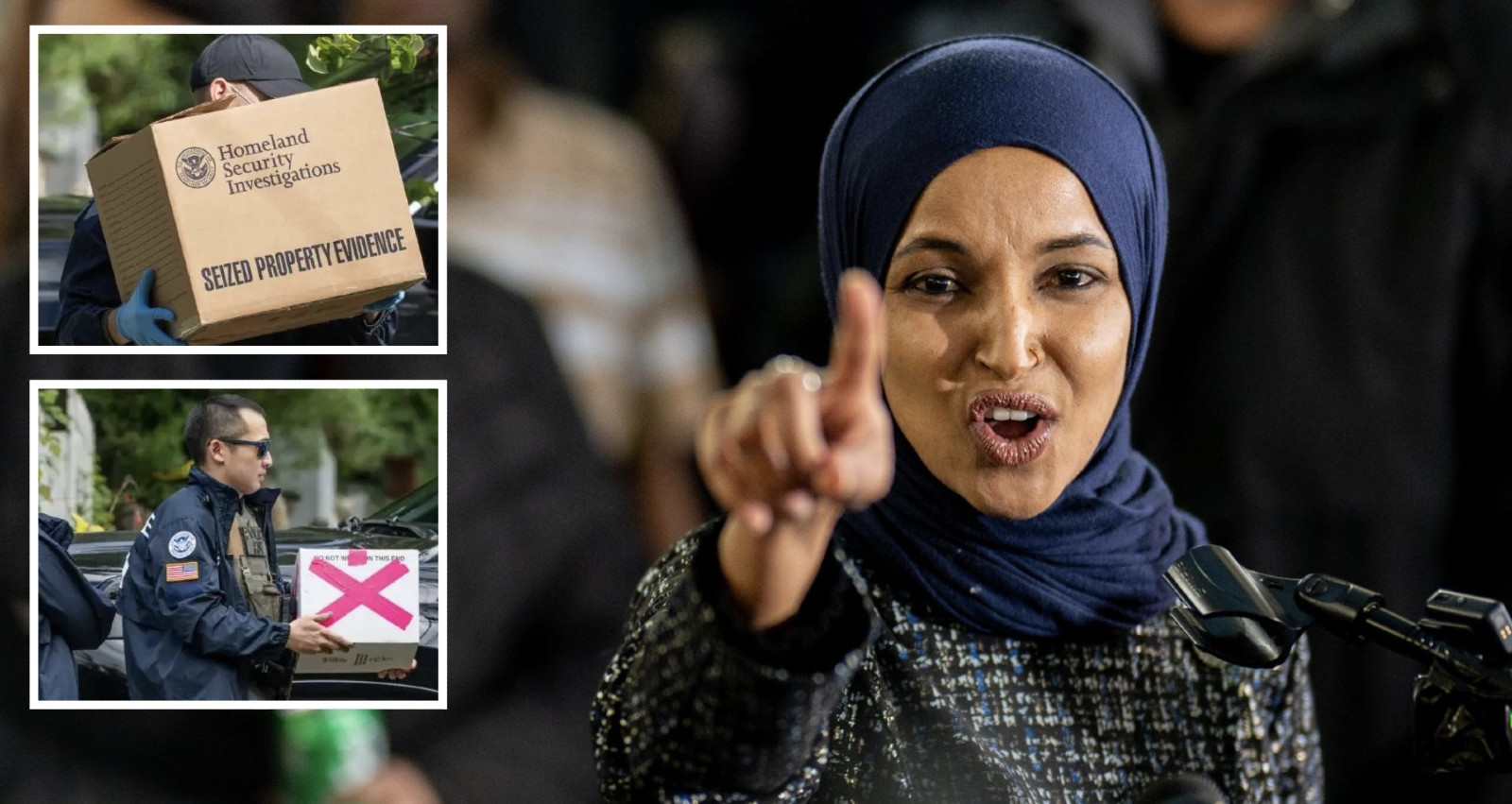
Rep. Ilhan Omar (D-Minn.) is pushing back against the Trump administration following reports that federal investigators searched her Washington-area residence Monday as part of a criminal inquiry involving her family’s immigration history.
The reported operation has intensified scrutiny of the Minnesota congresswoman and prompted allegations of political retaliation, with Omar accusing federal authorities of attempting to intimidate one of President Donald Trump’s most outspoken congressional critics.
“I will not be silenced,” Omar declared in a social media statement responding to the search.
“I’m ok,” she added before accusing the administration of using federal investigative powers against political opponents.
“Make no mistake: this is an attempt to target political enemies and weaponize federal law enforcement,” Omar wrote.
“For ten years, Trump has targeted me with baseless lies and smear campaigns,” she continued.
“This is just the latest escalation in his campaign of political intimidation.”
The accusations reflect Omar’s characterization of the investigation. They do not establish that Trump directed the search or that federal investigators acted for political reasons.
According to the supplied reporting, Homeland Security Investigations agents executed a judicially authorized search warrant at Omar’s Washington-area residence Monday morning.
Federal personnel were reportedly photographed outside the property carrying boxes identified as seized evidence.
The Justice Department reportedly confirmed that the search was connected to an ongoing federal criminal investigation, although officials did not publicly release the warrant affidavit or identify the documents agents were seeking.
No criminal charges against Omar were announced in connection with the reported search.
Fox News Digital reported that investigators were examining immigration documents associated with Omar’s late father, Nur Omar Mohamed, dating back to the congresswoman’s childhood.
CBS News separately reported that the inquiry involved possible false statements and immigration fraud concerning those records.
The allegations have not been proven, and the existence of a criminal investigation does not establish that Omar knowingly submitted false information or participated in any unlawful activity.
Omar was born in Somalia and entered the United States as a refugee before becoming an American citizen.
She was first elected to Congress in 2018 and represents Minnesota’s Fifth Congressional District, a heavily Democratic constituency that includes much of Minneapolis.
Throughout her congressional career, Omar has been a prominent progressive voice and frequent critic of Trump, particularly on immigration enforcement, foreign policy and national security.
Those longstanding political disagreements have added to the controversy surrounding the reported search.
Omar’s office issued a statement condemning the operation and rejecting suggestions that the congresswoman had engaged in wrongdoing.
“This raid by Trump’s DHS is an outrageous abuse of power and an unprecedented escalation,” her office declared.
Her representatives characterized the investigation as an attempt to punish political opposition, arguing that the administration was using federal law enforcement to target an elected member of Congress.
Trump, however, denied personally directing the search when questioned by reporters Monday.
“I think she’s a terrible person, but that’s really up to the DOJ,” the president said.
Trump also maintained that he had “nothing to do” with the operation.
The president’s denial leaves unresolved questions about the origins of the investigation, the evidence supporting the search warrant and the extent of any White House involvement.
Democratic congressional leaders criticized the operation, particularly its timing just weeks before the November elections.
House Minority Leader Hakeem Jeffries joined other Democrats in questioning the administration’s handling of an investigation involving a sitting member of Congress.
Their concerns focused partly on longstanding Justice Department practices intended to minimize the possibility that public investigative actions could improperly influence elections.
Federal prosecutors generally exercise heightened caution when considering overt investigative steps involving political candidates close to Election Day.
However, those practices do not categorically prohibit searches or other investigative activity during an election period.
A search warrant ordinarily requires a judge to determine that investigators have established probable cause to believe evidence of a crime will be found at the location identified.
That judicial authorization does not establish anyone’s guilt, but it represents a legal requirement investigators must satisfy before conducting the search.
Because the supporting affidavit has not been publicly disclosed in the supplied reporting, the specific evidence presented to the judge remains unknown.
Homeland Security Investigations, the investigative arm of U.S. Immigration and Customs Enforcement, handles a broad range of federal criminal matters, including immigration document fraud, identity-related offenses and financial crimes.
Its criminal investigative responsibilities are distinct from immigration enforcement activities primarily involving detention and removal.
The reported inquiry into Omar’s family history follows earlier public comments from senior administration figures.
White House border adviser Tom Homan had previously acknowledged that authorities were examining allegations involving Omar’s immigration records.
Homeland Security Secretary Markwayne Mullin also reportedly referred to an ongoing investigation before Monday’s operation.
Vice President JD Vance has publicly questioned aspects of Omar’s immigration history, although those questions do not establish criminal wrongdoing.
The involvement of multiple senior administration figures in publicly discussing the allegations has contributed to the political dispute surrounding the investigation.
For Omar and her supporters, the central concern is whether federal law enforcement is being used to pressure a political opponent.
For investigators, the relevant legal questions concern the accuracy of historical immigration records and whether any evidence supports a federal criminal offense.
Those issues must be evaluated separately.
The public statements of administration officials do not substitute for evidence of fraud, and Omar’s allegations of political retaliation do not independently establish investigative misconduct.
At present, the supplied reporting does not identify any criminal charges, disclose the search warrant affidavit or establish that Omar personally falsified immigration documents.
The search nevertheless represents a significant development in the reported investigation, bringing federal investigative activity directly to the residence of a sitting member of Congress.
Whether the inquiry results in charges, additional investigative steps or no prosecution will depend on evidence that has not yet been made public.
Omar, meanwhile, has made clear that she intends to challenge the allegations and continue speaking out against the administration.
Her declaration that she “will not be silenced” signals that the political dispute surrounding the investigation is unlikely to end with Monday’s reported search.
The next developments will be critical in determining whether the allegations lead to substantiated legal findings or remain unresolved claims at the center of a highly contentious political confrontation.

HAPPENING NOW: Active Terror Threat Underway At Congressional Offices

HUGE Update On Trump’s New Press Sec On 2nd Day On The Job

‘I Will Go!’ — Ilhan Omar Drops Shock Announcement

Person In Trump’s Inner-Circle Stabs Him In Back – Busted With Family ‘Burn Book’

Judge Jeanine Found The Smoking Gun Ilhan Omar Brought In

Speaker Johnson Pulls It Off! This Changes Everything…

Obama Calls It QUITS After Wild Video Goes Viral

Joe Biden’s Daughter Just Dropped Massive Public Bombshell On Her Dad

Removed From the Country — Ilhan Omar Hit With Horrid News

Get Ready — Mike Pence Makes Stunning 2028 Announcement

Jeanine Pirro Makes Massive Announcement – WH In Total Shock

JUST IN: ‘Squad’ Congressional Candidate Arrested
-
 Economy6 months ago
Vance Leaves Meeting, Looks Straight Into Camera, Announces Stunning Arrest
-
 Economy6 months ago
Adam Schiff Facing 30 Years In Prison After Bank Records Leak
-
 Economy6 months ago
Supreme Curt Sides With Trump — He Can Remove The All
-
 Culture4 months ago
Michelle Obama Drops Nasty Bomb About ‘Useless’ Daughter
-
 Economy6 months ago
All Hell Breaks Loose On Fox When Jesse Watters Asks Fetterman One Question
-
 Economy4 months ago
Prayers Pour In After Fox Host Dies: ‘Senseless Murder’
-

 Latest4 months ago
Fox News Stuns With Announcement About 5 Fired Hosts
-
 Border & Security2 months ago
Top Trump Admin And Wife Found Dead — Chilling Update Just Released