
Latest
Kamala Harris’ travels and comments clearly point to 2028

In a move sure to spark more 2028 speculation, former Vice President Kamala Harris will appear next week at a major Democratic Party cattle call in this preseason for the next White House race.
Harris will speak on Friday in New York City at the National Action Network’s 35th Anniversary Convention.
The gathering, hosted by the civil rights organization’s founder, the Rev. Al Sharpton, will give the former vice president and other potential Democratic presidential contenders appearing at the confab an opportunity to speak directly to an influential gathering of Black leaders and activists who are key players among the party’s base.
It’s the latest sign that where Harris is going, and what she’s saying and doing, is increasingly generating buzz that the Democratic Party’s 2024 presidential nominee is on a likely glidepath towards another White House bid in 2028.
KAMALA HARRIS: OUT OF OFFICE BUT BACK ONLINE
“Of course we are reading tea leaves,” a veteran strategist in the former vice president’s political orbit told Fox News Digital.
The strategist, who asked to remain anonymous to speak more freely, emphasized that “the only signal that is very clear is that she is going to continue to be an incredibly important fighting force and voice for Democrats and for the country.”
Harris was mostly out of the headlines for a couple of months after the end of former President Joe Biden’s administration early last year. But she started stepping back into the political spotlight last spring and summer, including headlining Democratic National Committee fundraisers.
HARRIS, NEWSOM, STIR 2028 SPECULATION AT MAJOR DEMOCRATIC PARTY MEETING
Her strategic decision last summer to pass on launching a 2026 gubernatorial campaign in her home state of California was seen as a clearing of the runway for a 2028 presidential bid. And her nationwide book tour for her memoir on her abbreviated 2024 campaign, when she succeeded Biden as the Democrats’ standard-bearer, has helped keep her very visible while building up her email lists and boosting donor interest.
With her six-month book tour coming to a close, Harris, who made history as the first female and first Black vice president in the nation’s history, is set to make a swing through the South later this month. Her stops to help state parties fundraise include South Carolina, a key early-voting primary state in the Democrats’ presidential nominating calendar, as well as the key general election battlegrounds of Georgia and North Carolina. Harris narrowly lost both states and the five other key battlegrounds to President Donald Trump in the 2024 election.
“Kamala Harris continues to be an incredibly inspiring force within the Democratic Party, especially among women, among Black voters and voters of color,” the strategist in her political circle emphasized.
Harris has also been getting more involved on the campaign trail, recording ads for the Democratic National Committee and for the Virginia Democrats with early voting underway in the state’s April 21 congressional redistricting referendum.
After endorsing Rep. Jasmine Crockett in last month’s Democratic Senate primary in Texas, Harris reached out to the nomination winner, state Rep. James Talarico. She’s also talked to other winners in last month’s primaries.
HARRIS RIPPED BY THE RIGHT OVER TRUMP IRAN WAR SPEECH PRE-BUTTAL
Harris has also been increasingly critical of Trump’s military strikes on Iran.
“He brought America into a war that people don’t want, he has put American troops in harm’s way, costs are rising by the day, and, meanwhile, he has done nothing to address the needs of the people of America,” the former vice president argued in a social media video posted ahead of Trump’s primetime address to the nation last week.
Harris’ comments quickly ignited a sharp rebuke from conservatives on social media.
Among those responding was Rep. Tom Emmer of Minnesota, the House Republican majority leader.
“It’s pretty disgraceful for you to claim President Trump has done nothing to meet the needs of the American people,” Emmer posted on X. “Here’s the truth: He’s cleaning up the chaos YOU caused here in the United States and across the globe, and is making America great again.”
The reaction from Republicans is a sign that it’s not only Democrats who see Harris as a potential leading contender for the 2028 nomination.
Looking ahead, the strategist stressed that “no one knows what she is planning to do for 2028, but until she tells us herself, she is going to continue to travel, speak up about the issues she cares about the most, and the tremendous damage that Trump and this administration are doing to this country and how Democrats are going to continue to fight back.”
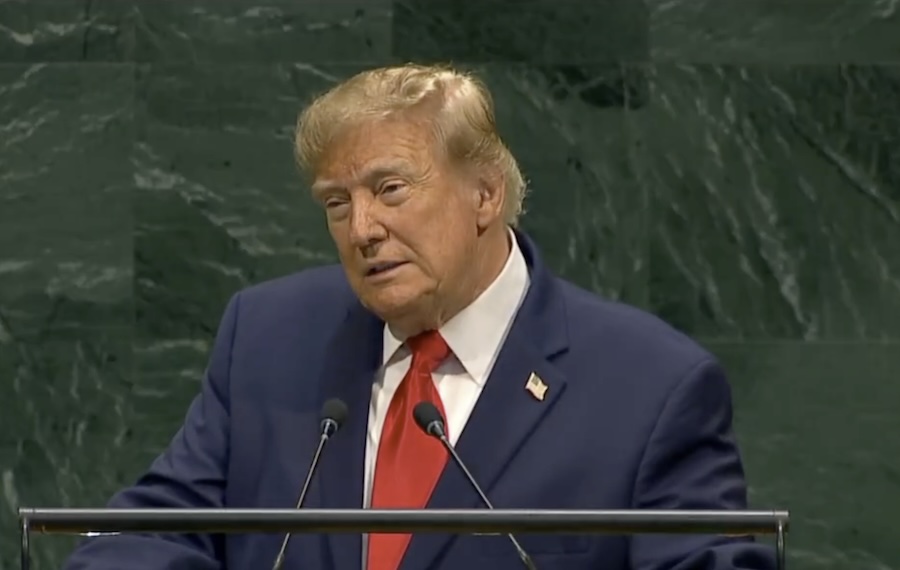
President Donald Trump put Iran on notice before the United Nations General Assembly Tuesday, presenting Tehran with two dramatically different paths: reach an agreement with the United States or risk another devastating round of American military action.
Speaking before world leaders in New York, Trump said he is approaching a consequential decision over the future of the conflict with Iran.
“I have a big decision to make,” Trump said. “Will a deal be made with Iran that lets them rebuild and create a far greater country?”
The alternative Trump raised was unmistakably severe.
The president said he could instead use American military power to “annihilate the Islamic Republic,” delivering one of his most direct warnings to Tehran since the United States began its military campaign earlier this year.
Trump’s message was not simply a threat of additional sanctions or diplomatic isolation. He made clear that renewed military action remains on the table if negotiations fail.
At the same time, Trump maintained that diplomacy could still produce an agreement.
He predicted that a deal with Iran could potentially emerge after the November 3 midterm elections, while insisting that domestic political considerations are not dictating his decisions.
The remarks came after months of direct military confrontation and escalating economic pressure against Tehran.
Trump has repeatedly maintained that Iran will never be permitted to obtain a nuclear weapon, a position he again emphasized before the United Nations.
The White House characterized Trump’s broader message as one of confronting threats before they are allowed to grow, with the president telling world leaders that the United States would use its power when necessary to defend its interests.
But Trump also made clear that military force is not the only pressure Washington intends to apply.
He called on governments around the world to further isolate Tehran economically in an effort to force Iranian leaders back to the negotiating table.
The Trump administration has already imposed sweeping sanctions intended to restrict Iran’s access to the international financial system and make it more difficult for Tehran to rebuild military capabilities damaged during the conflict.
Iran, meanwhile, has indicated that it remains open to negotiations while demanding that Washington ease its military and economic pressure.
That leaves enormous differences still separating the two governments.
Among the biggest points of contention are Iran’s nuclear program, its ballistic missile arsenal and control of shipping through the Strait of Hormuz.
Trump has repeatedly said Iran cannot be permitted to acquire a nuclear weapon.
His administration has also identified Tehran’s missile production, naval capabilities and support for armed groups throughout the Middle East as major security concerns.
The Strait of Hormuz remains another critical flashpoint.
The narrow waterway is one of the world’s most important energy corridors, connecting major Persian Gulf oil producers with global markets.
Disruptions there have pushed energy prices higher and intensified international concern that the conflict could spill further into the global economy.
Trump urged Iran to fully reopen the strait while pointing to American naval operations intended to protect commercial shipping.
He argued that a lasting agreement could ease pressure on oil markets while allowing Iran to begin rebuilding its battered economy.
Oil markets have remained volatile as traders attempt to determine whether diplomacy can prevent another escalation between Washington and Tehran.
But Trump’s address made one point particularly clear: he does not view the current situation as an indefinite stalemate.
The president said he is approaching a decision.
His comments also expanded on remarks made during a recent interview in which he said he would soon determine whether massive attacks against Iran should resume.
Trump has maintained that communication between Washington and Tehran continues and that Iranian officials remain interested in reaching an agreement.
He did not announce a deadline Tuesday for Tehran to accept a deal.
That leaves the timing uncertain — but not the stakes.
Iran can pursue negotiations with Washington and potentially gain an opportunity to rebuild its economy, or it can reject the terms the United States is demanding and risk another major military confrontation.
Trump’s message at the United Nations was built around that stark choice.
Diplomacy remains available.
So does American military power.
And Trump told world leaders that he is preparing to decide which path comes next.
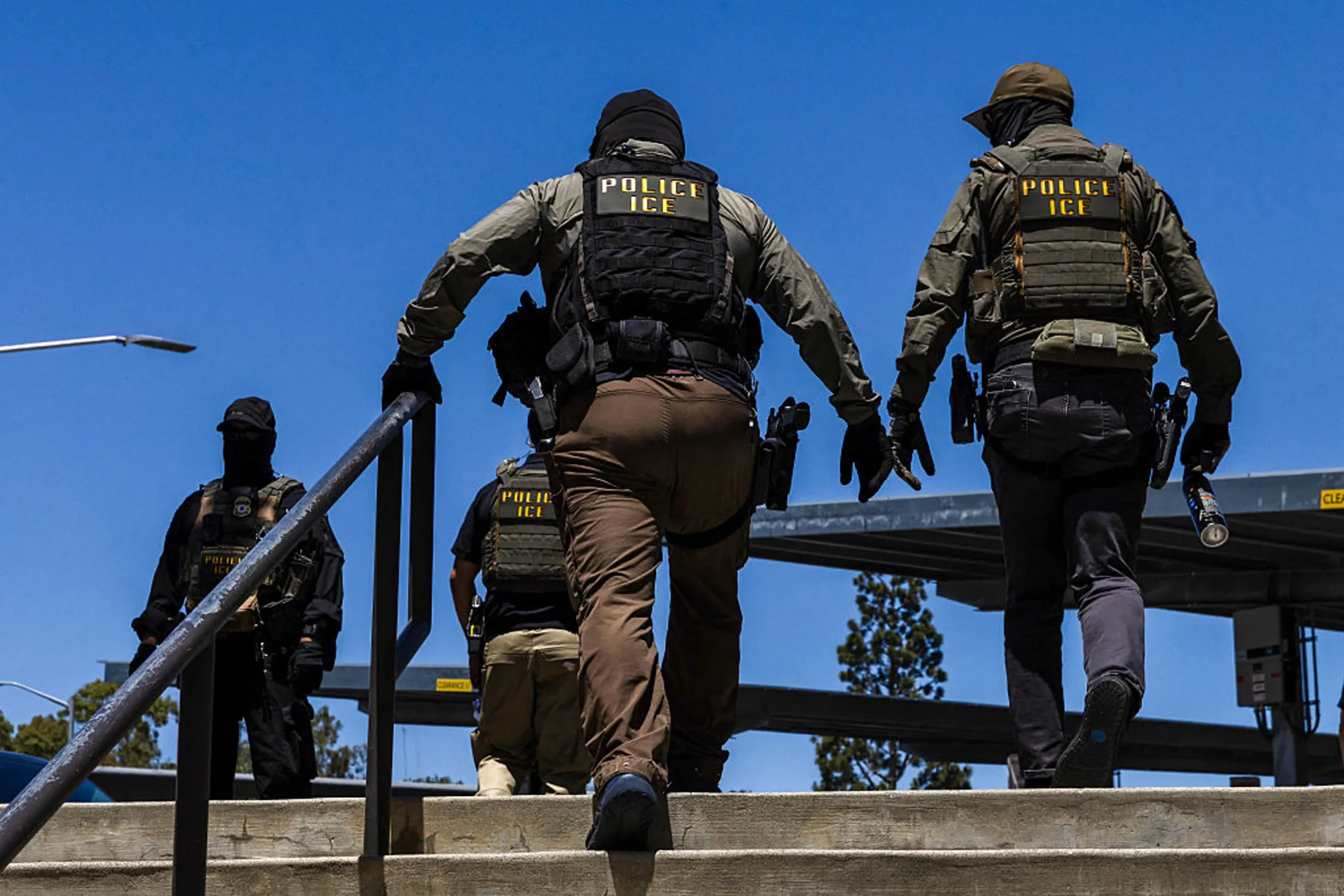
Federal immigration authorities arrested a staffer for a Democratic California lawmaker during a targeted enforcement operation at a Las Vegas airport, setting off a clash between the Department of Homeland Security and the state legislator who employs him.
Ho-Yin Mo, a field representative for Democratic California Assemblywoman Catherine Stefani, was taken into custody at Harry Reid International Airport on September 17.
Mo, a Hong Kong native and former television news anchor, is now facing removal proceedings while Stefani is publicly demanding his release.
According to the Department of Homeland Security, Mo originally entered the United States legally in 2020 but remained beyond the period he was authorized to stay.
“On January 13, 2020, Mo lawfully entered the U.S. on a temporary basis but illegally overstayed his welcome by failing to depart by May 15, 2020,” a DHS spokesperson said.
The department also directly addressed questions surrounding Mo’s ability to legally work in the United States.
“Work authorization or a pending application do NOT confer legal status in the United States.”
DHS said Mo’s arrest was part of a targeted immigration-enforcement operation at the Las Vegas airport.
The department tied the arrest to a broader Trump administration crackdown on domestic air travel by people it says lack lawful immigration status.
“DHS reversed the horrendous Biden-era policy that allowed aliens in our country illegally to jet around our country,” the department said.
“Under President Trump, DHS will no longer tolerate this. This administration is working diligently to ensure that aliens in our country illegally can no longer fly unless it is out of our country to self-deport.”
But Stefani is pushing back against the federal government’s characterization of her staffer’s situation.
“My message today is simple: I am respectfully calling for Ho Yin Mo’s release as soon as possible,” Stefani said following his detention.
“Ho Yin is a selfless public servant and a valued, legal employee of the California State Legislature serving our San Francisco and Bay Area communities.”
The competing statements highlight an important distinction in the case: Stefani says Mo is legally authorized to work for the California Legislature, while DHS says that employment authorization does not by itself establish lawful immigration status.
Mo’s detention has attracted additional attention because he isn’t an obscure political operative.
Before entering California politics, he was a familiar face to some Bay Area viewers as an anchor and reporter for KTSF Channel 26, a Chinese-language television station.
He later moved into Democratic political organizing.
In 2024, Mo worked as an outreach organizer focused on Asian American and Pacific Islander communities for then-San Francisco Mayor London Breed’s unsuccessful reelection campaign.
His profile apparently made him an attractive political hire.
“When we learned that Mo was available, we immediately saw an opportunity to bring him on board,” Breed spokesman Joe Arellano said at the time. “His visibility through KTSF connects with a broad audience, and his professional background and experience made him a strong fit.”
Mo joined Stefani’s staff in January 2025 as a field representative.
Stefani represents California’s 19th Assembly District, encompassing western San Francisco and northern San Mateo County. Before entering the state Assembly in December 2024, the Democrat served on the San Francisco Board of Supervisors.
Stefani has praised Mo’s work connecting her office with Chinese-American constituents and providing assistance with government services.
“And his work goes far beyond presence. Ho-Yin helps people access affordable healthcare coverage, childcare, and food support. Our whole community eagerly awaits Ho-Yin’s return to his home and his job, where he is loved and adored.”
Federal immigration authorities, however, have taken a different position on the underlying immigration question.
DHS says Mo’s authorized temporary stay expired in May 2020 and maintains that neither a work permit nor a pending immigration application independently gives someone lawful immigration status.
Mo was being held at an immigration detention facility in Nevada while facing removal proceedings that could ultimately result in his deportation to Hong Kong.
His detention also comes as the Trump administration expands immigration-enforcement operations at American airports.
The administration has increasingly targeted visa overstays and other people DHS considers unlawfully present, including some individuals who possess federal work authorization or have pending immigration cases.
That enforcement strategy has generated fierce opposition from immigration advocates and Democratic officials, who argue that people with active immigration cases and work permits should not be swept into detention while those proceedings remain unresolved.
The administration maintains that a pending application or authorization to work does not prevent immigration authorities from enforcing existing removal laws.
Mo’s case now puts that dispute directly inside a Democratic California lawmaker’s office.
A former television journalist who went on to work for two prominent San Francisco Democrats is sitting in federal immigration custody.
His boss says he is a valued employee who should be released.
DHS says he remained in the United States after his authorized stay expired.
And unless his immigration proceedings change that situation, Mo faces the possibility of being removed to Hong Kong.
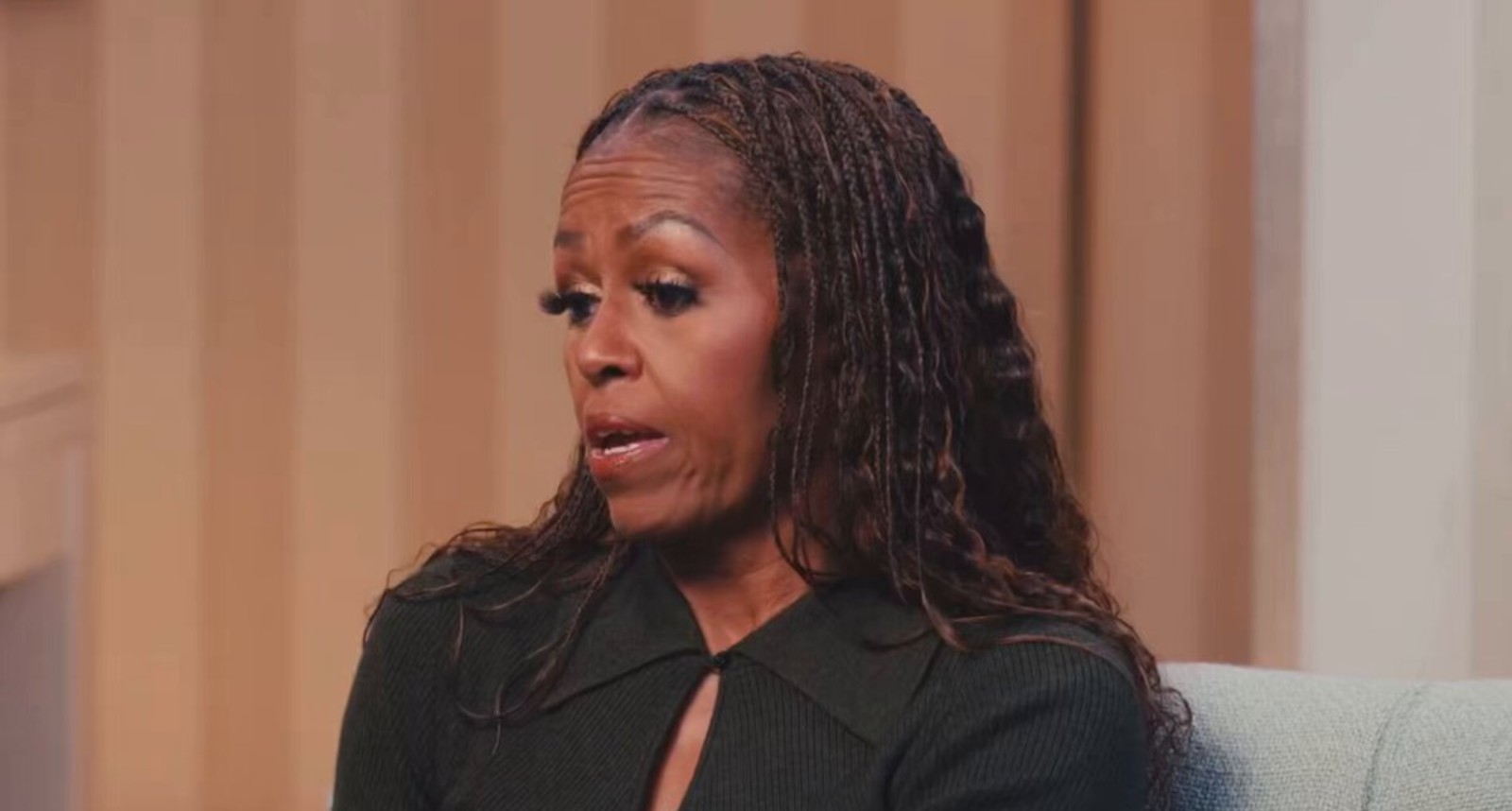
Michelle Obama’s voter organization is taking its 2026 midterm strategy straight into the social media feeds of millions of young Americans.
When We All Vote, the initiative founded by the former first lady, has launched a new “Voting Squad” made up of popular social media creators who will use their enormous online audiences to distribute voter-registration information, election deadlines and issue-focused content ahead of the midterms.
It represents a distinctly modern approach to voter outreach: instead of relying primarily on television commercials, political mailers or traditional campaign operations, election messaging will appear alongside the videos and posts millions of young Americans already consume every day.
When We All Vote describes the Voting Squad as a nonpartisan network, with participating creators using their own personalities, voices and established platforms to reach younger voters.
And its potential reach is enormous.
According to the organization, creators participating in the campaign collectively reach more than 20 million people across social media.
Among them is Brandon Edelman, better known online as Bran Flakezz, whose TikTok following exceeds 1.4 million.
The campaign also includes physician and “medical mythbuster” Joel Bervell, “plant enthusiast” Paige Tailyn and influencer Leon Ondieki, who has approximately 4.5 million TikTok followers.
Rather than asking young voters to seek out election information themselves, the strategy effectively brings that information directly into their existing social-media feeds.
Creators are expected to distribute state-specific election dates and deadlines, explain how issues important to younger voters appear on ballots and direct followers toward fact-checked voting resources.
When We All Vote argues that confusion and a lack of reliable election information remain major obstacles to Gen Z participation.
“At a time when lack of accurate information is one of the main barriers preventing Gen Z from voting, the Voting Squad will serve as trusted messengers to reach and resonate with young voters ahead of the 2026 midterm elections,” the organization said.
The initiative was announced in conjunction with National Voter Registration Day as the political battle for young voters intensifies ahead of November.
Kalisha Dessources Figures, a senior adviser for When We All Vote, made clear that the strategy is designed to insert election information directly into the online environments where younger Americans are already spending their time.
“Registering to vote takes less time than our daily doomscrolls,” Figures said in announcing the campaign.
She said the Voting Squad would bring “hope, community, and reminders of the power of our voices back into our timelines.”
The potential audience is substantial.
When We All Vote estimates that nearly 50 million members of Generation Z will be eligible to vote in the 2026 midterm elections.
That makes the battle for their attention — and ultimately their participation — potentially significant.
The strategy also reflects a major shift in how political and civic organizations attempt to reach younger Americans.
Social-media creators can develop intensely personal relationships with their audiences, often communicating in conversational formats that bear little resemblance to traditional political advertising.
That familiarity can give creators substantial influence with followers who may encounter their content every day.
It also raises the importance of transparency and accuracy when election-related information is mixed into feeds normally filled with entertainment, lifestyle advice and personal content.
When We All Vote identifies itself as a national, nonpartisan initiative focused on increasing voter participation, reducing voting gaps based on age and race, and changing the broader culture surrounding elections.
Obama founded the organization in 2018.
The Voting Squad campaign does not endorse a candidate or political party, according to When We All Vote, and its announced materials focus on voter registration, election deadlines and voting resources.
But the mechanics of the campaign are unmistakably ambitious: put election information in front of millions of young Americans without requiring them to leave the platforms and personalities they already follow.
The organization has been laying the groundwork for a broader Gen Z push throughout 2026.
Its “Pass the Mic to Gen Z” campaign has focused on identifying the issues younger Americans care about and connecting those concerns with civic participation. When We All Vote’s research found that social media plays a major role in Gen Z’s information habits, although traditional news websites and apps remain significant sources as well.
Now the organization is attempting to turn those media habits into real-world political participation.
The central question is whether millions of followers and social-media views will translate into actual registrations — and eventually ballots.
Creators may command enormous audiences, but online reach is not the same thing as voter turnout.
That is what makes the 2026 midterms an important test of the strategy.
Michelle Obama’s organization is betting that some of the most effective messengers for reaching the next generation of voters may not be politicians, campaign advertisements or traditional political organizations at all.
They may be the influencers already appearing on millions of phones every day.

Trump Issues Chilling Ultimatum

Popular News Anchor Arrested By ICE

Obama Calls It QUITS After Wild Video Goes Viral

Ilhan Omar Removal Vote Is In — Decided By Razor Thin Margin

FINALLY! Americans Get Some MUCH Needed Good News

Trump Bans Lib Outlets – You Won’t Believe What Happened Right After!

‘The Five’ Gets Emotional As Greg Gutfeld Announces Tragic News

Removed From the Country — Ilhan Omar Hit With Horrid News

‘EFFECTIVE IMMEDIATELY’ — Barack Obama Gets Devastating News

Schumer Loses! Court Sides With Trump In Historic Move

Everyday Americans Being Treated As Criminals — Including You, Right Now

HUGE: 9/11 Widow Goes Rogue, Makes Damning Call Out During Ground Zero Ceremony
-
 Economy5 months ago
Vance Leaves Meeting, Looks Straight Into Camera, Announces Stunning Arrest
-
 Economy5 months ago
Adam Schiff Facing 30 Years In Prison After Bank Records Leak
-
 Economy5 months ago
Supreme Curt Sides With Trump — He Can Remove The All
-
 Culture3 months ago
Michelle Obama Drops Nasty Bomb About ‘Useless’ Daughter
-
 Economy6 months ago
All Hell Breaks Loose On Fox When Jesse Watters Asks Fetterman One Question
-
 Economy4 months ago
Prayers Pour In After Fox Host Dies: ‘Senseless Murder’
-

 Latest3 months ago
Fox News Stuns With Announcement About 5 Fired Hosts
-
 Border & Security2 months ago
Top Trump Admin And Wife Found Dead — Chilling Update Just Released