
Latest
Ocasio-Cortez QUITS — Stunning Moment On House Floor

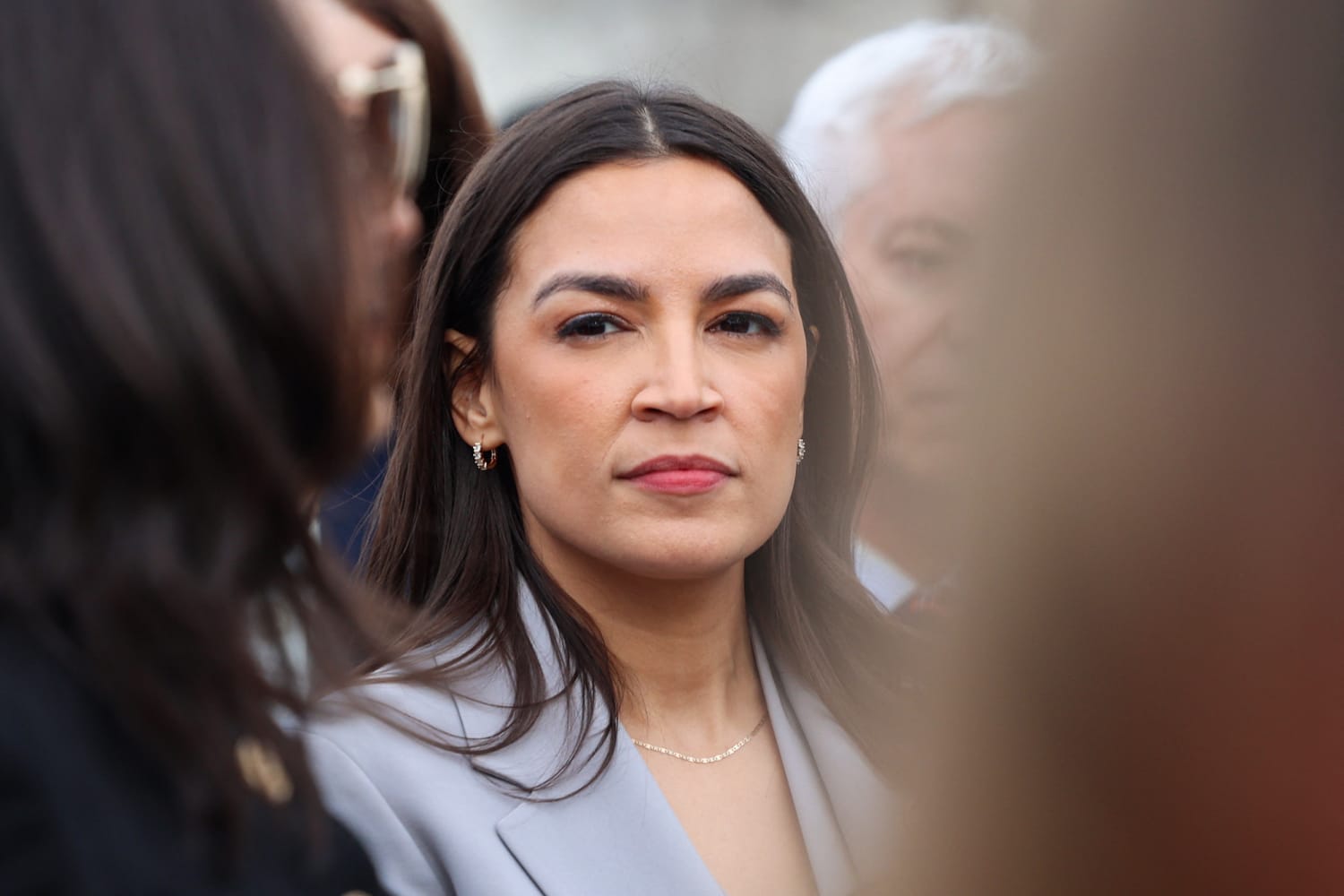
Rep. Alexandria Ocasio-Cortez is openly acknowledging the enormous political risk behind a potential 2028 campaign: if she makes the leap and loses, she says her career in elected office could be over.
The New York democratic socialist is weighing several possibilities for 2028, including a presidential campaign, a Senate run or another bid for her House seat.
But leaving the security of her congressional seat for a higher-profile contest could amount to an all-or-nothing political gamble.
Ocasio-Cortez isn’t pretending otherwise.
“It’s very all or nothing,” Ocasio-Cortez told The New York Times while discussing her rapidly approaching 2028 decision.
“If I were to run in this cycle, and not win, I would be done.”
“And I am not opposed to that,” she added.
“That, in and of itself, does not exclude the decision.”
“But it has to make it worth it.”
The unusually candid assessment underscores the stakes surrounding a decision that could dramatically reshape Ocasio-Cortez’s political future.
Among the possibilities reportedly under consideration is a challenge to Senate Minority Leader Chuck Schumer.
The other potentially transformative option would be entering a Democratic presidential primary.
Ocasio-Cortez says she won’t make that decision until after November’s midterm elections.
“We will learn a lot in November,” Ocasio-Cortez recently said while discussing the political landscape.
Her decision, she told the Times, ultimately comes down to another question:
“Where can I do the most good?”
Ocasio-Cortez would enter any national contest with significant political assets, including national name recognition, formidable fundraising capabilities and an intensely loyal progressive following.
One University of New Hampshire survey released this summer illustrated her strength among the voters surveyed, placing Ocasio-Cortez at 22% among prospective Democratic presidential candidates.
Pete Buttigieg registered 21%, while former Vice President Kamala Harris received 5%.
But early primary polling and a future nationwide general election measure very different electorates, and other surveys cited in discussions of Ocasio-Cortez’s prospects show potential challenges for her political brand.
A September New York Times/Siena poll found 51% of likely voters surveyed viewed socialism unfavorably, compared with 31% who viewed it favorably.
The poll also found 30% of respondents preferred not to support a democratic socialist candidate, while 13% specifically preferred such a candidate.
Those numbers could become particularly relevant for Ocasio-Cortez because democratic socialism has been central to her political identity.
The same Times/Siena polling found 41% of respondents viewed Ocasio-Cortez unfavorably and 30% viewed her favorably.
Another Washington Post-Ipsos survey previously found 24% of independents surveyed held a favorable opinion of her.
Some Democratic candidates competing in closely contested races have also reportedly kept their distance.
Axios reported that several competitive Democratic campaigns had avoided inviting Ocasio-Cortez to campaign with them amid concerns that her progressive political profile could prove difficult with moderate or conservative voters in their districts.
Ocasio-Cortez herself has acknowledged that questions surrounding electability are part of her calculations.
And she has specifically raised her identity as a woman as another factor she considers when contemplating a presidential campaign.
“Pretty candidly, I think about my identity,” she told the Times while discussing her political future.
“I’m not naïve to the fact that we are living under a very regressive administration,” Ocasio-Cortez said.
“This country has never elected a female president. Why are we pretending that this is not a factor?” she asked.
The choice confronting Ocasio-Cortez is therefore much larger than deciding which office to seek next.
Remaining in the House would preserve the congressional platform she has held since 2019.
Running for Senate or president would put that security against the possibility of attaining substantially greater national power and influence.
Ocasio-Cortez has made clear that she understands what could happen if that gamble fails.
“If I were to run in this cycle, and not win, I would be done,” she said.
For one of the country’s most recognizable progressive politicians, 2028 could therefore become more than another election.
By her own account, it could determine whether her elected political career reaches a new level—or ends altogether.

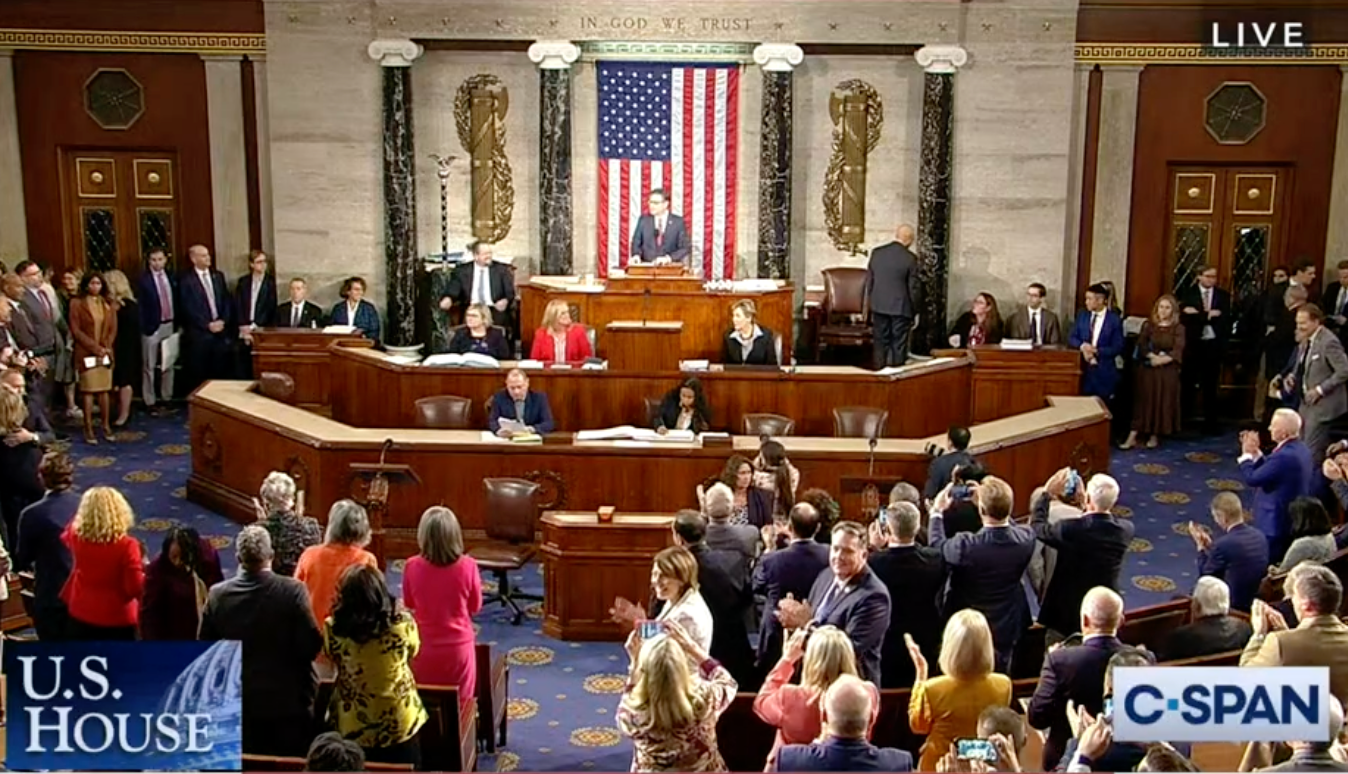
Nearly every House Democrat voted against legislation Tuesday that would make non-citizens convicted of harming law-enforcement animals subject to deportation.
The Bill to Outlaw Wounding of Official Working Animals Act—dubbed the BOWOW Act—passed the House 228–190.
Every Republican voted for the measure.
Just 15 Democrats crossed party lines to join them, while 190 Democrats voted against it.
The Democrats supporting the bill were Reps. Henry Cuellar of Texas, Don Davis of North Carolina, Sharice Davids of Kansas, John Garamendi of California, Jared Golden of Maine, Vicente Gonzalez of Texas, Josh Gottheimer of New Jersey, Greg Landsman of Ohio, Marie Gluesenkamp Perez of Washington, Chrissy Houlahan of Pennsylvania, Adam Gray of California, Josh Riley of New York, Eric Sorensen of Illinois, Tom Suozzi of New York and Eugene Vindman of Virginia.
The legislation targets non-citizens who harm animals working alongside American law enforcement.
Under the measure, any non-citizen who is “convicted of, or who admits to having committed, an offense related to harming animals used in law enforcement is inadmissible and deportable.”
The lopsided party-line split immediately triggered a furious response from Republican leaders.
House Speaker Mike Johnson, R-La., seized on the vote in a post on X, accusing Democrats of becoming “the party of PUNCHING PUPPIES.”
“The Democrats just decided to officially become the party of PUNCHING PUPPIES,” Johnson noted.
“190 Democrats just voted to give illegal immigrants the RIGHT TO PHYSICALLY ABUSE American service dogs — serving with law enforcement protecting American citizens,” Johnson added.
Johnson continued his attack on Democrats over the vote.
“The level Democrats will go to protect illegal aliens instead of Americans is disturbing, disgusting, and dangerous,” the Speaker noted.
Rep. Mike Simpson, R-Idaho, also highlighted his support for the legislation.
“Harming a law enforcement working animal is appalling and evil,” Simpson wrote in a post on X. “As a dog lover and someone who adamantly supports the working dogs who have served on the front lines, voting in favor of this bill was one of the easiest decisions of my congressional career.”
The legislation was introduced by Rep. Ken Calvert, R-Calif., following an incident involving a U.S. Customs and Border Protection dog at Washington Dulles International Airport.
An Egyptian national, Hamed Ramadan Bayoumy Aly Marie, 70, pleaded guilty to kicking a five-year-old beagle named Freddie after the dog alerted CBP officers to potential contraband inside his luggage.
The attack left the law-enforcement animal injured.
A veterinarian subsequently determined that Freddie suffered contusions to his right rib area, according to a CBP press release.
The case became part of the push behind legislation establishing immigration consequences for non-citizens convicted of similar offenses.
Tuesday’s House vote produced an overwhelming partisan divide.
All participating Republicans supported the measure, while only 15 Democrats joined them.
The other 190 Democrats voted no.
The bill’s actual legal effect is narrower than some of the rhetoric surrounding Tuesday’s vote: it would make a non-citizen convicted of—or admitting to committing—an offense involving harm to an animal used in law enforcement inadmissible and deportable.
It does not create a “right” to abuse police animals, as Johnson’s criticism suggested. Rather, the congressional dispute centers on whether such an offense should carry the additional immigration consequences established by the BOWOW Act.
For Republicans backing the legislation, however, the underlying principle was straightforward: someone who is not a U.S. citizen and is convicted of attacking an animal serving American law enforcement should potentially lose the ability to remain in the country.
On Tuesday, the House approved that proposal 228–190.
The bill now moves beyond the House after a vote in which all Republicans—and just 15 Democrats—supported it.

President Donald Trump blasted Maricopa County as “very, very dishonest” after an election vendor mistakenly mailed more than 3,000 early ballots six days ahead of schedule.
County officials maintain that the ballots remain valid and were sent to the correct voters.
Trump wasn’t buying the explanation.
Asked about the premature mailing during a Monday news conference, the president rejected the claim that the incident was simply an error.
“There were no errors,” Trump said. “Maricopa sent out thousands of ballots illegally, and they got caught! And now they’re saying it was an error. Maricopa is a very, very dishonest county,” he said at a Monday news conference.
The controversy began after Runbeck Election Services, the company responsible for printing and mailing Maricopa County’s early ballots, notified the County Recorder’s Office on Oct. 2 that 3,126 ballots had been mailed the previous evening.
They weren’t scheduled to go out until Oct. 7.
According to the Recorder’s Office, county officials never authorized the early mailing and only learned that the ballots had been released after the fact.
Officials nevertheless said the correct ballots were sent to the correct voters and that every recipient had requested an early ballot.
After consulting with the Maricopa County Attorney’s Office, the Recorder’s Office determined that the 3,126 ballots did not need to be voided or replaced.
Voters who received them can complete and return them normally, according to the county.
Any ballots returned before early voting officially begins will remain sealed and secured until processing starts, officials said.
Runbeck issued its own explanation Sunday.
According to the company, the affected ballots had been processed separately because they did not qualify for automated postal handling and were being held for their scheduled release.
But a pallet containing the ballots was mistakenly sent out with other mail on the evening of Oct. 1.
“The early delivery was a matter of timing in the release of staged mail to the USPS and did not involve the validity or production of the VBM packets,” the company said.
Runbeck said it has since implemented additional verification procedures intended to ensure staged election mail isn’t released before its scheduled date.
The Recorder’s Office said Runbeck accepted responsibility for the incident and would work with county officials to prevent it from happening again.
Trump, however, publicly challenged that explanation, turning what county officials characterized as a mailing mistake into another dispute over election administration in one of the country’s most closely watched counties.
The incident also comes during the final stretch of the 2026 midterm election cycle, as Republicans and Democrats prepare to spend enormous sums battling for control of Congress.
Federal Election Commission data through June showed Republican Party committees holding approximately $301 million in cash, compared with roughly $186 million held by Democratic committees.
The Republican National Committee alone reported $128.5 million available, while the Democratic National Committee reported $16.3 million in cash and $18.5 million in debt.
Republicans have also accumulated substantial resources for the fight over control of the House.
The National Republican Congressional Committee announced in September that its war chest had reached $89 million, which the organization described as its largest cash advantage over Democrats at that point in an election cycle.
An October fundraiser featuring Trump then generated another $36.8 million for the NRCC and Republican candidates, according to the committee.
Trump’s broader political operation has accumulated an even larger reserve.
MAGA Inc., the super PAC supporting Trump’s political agenda, entered September with approximately $415 million available.
Outside groups on both sides have also committed hundreds of millions of dollars to political advertising during the closing stretch of the campaign.
According to AdImpact figures reported by Reuters, Republican-aligned organizations had reserved at least $888 million in advertising, compared with at least $666 million for Democratic groups.
Republican organizations involved in Senate races have likewise reported substantial fundraising.
The Senate Leadership Fund, which is aligned with Senate Majority Leader John Thune, and affiliated organizations announced in August that they had collectively raised more than $500 million during the election cycle.
More recent reporting indicated that the organization itself had raised more than $600 million while directing hundreds of millions of dollars toward competitive Senate contests.
Against that high-stakes political backdrop, the Maricopa County ballot incident has once again put election procedures in the national spotlight.
County officials insist the ballots are legitimate, went to the intended voters and can be returned normally.
Runbeck says a pallet was simply released too early.
Trump has publicly rejected that explanation.
And at the center of the controversy is one undisputed timing problem: 3,126 early ballots that were scheduled to be mailed Oct. 7 were instead sent on Oct. 1.
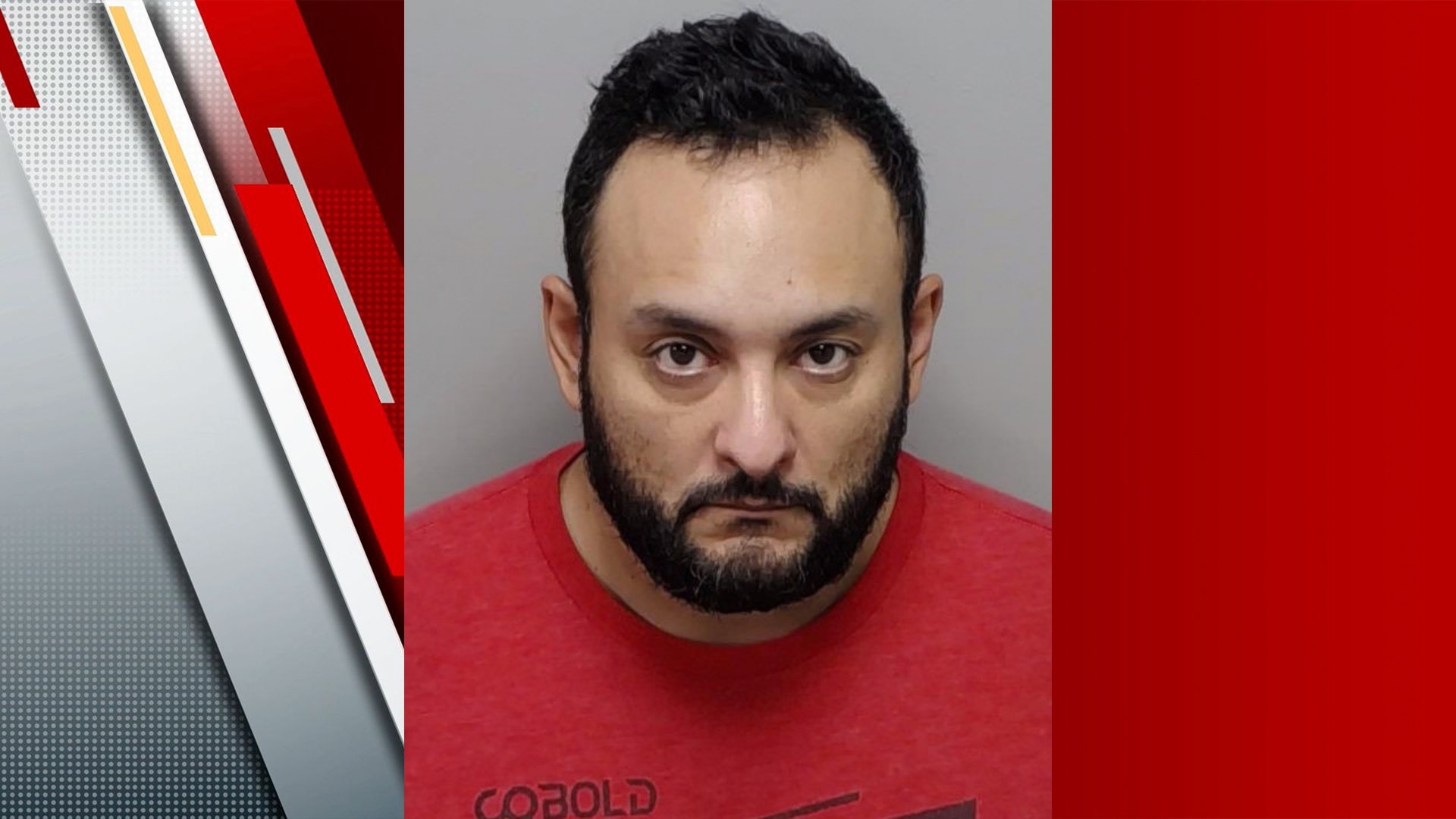
A Texas man is in federal custody after authorities say they disrupted an alleged plot to carry out a shooting at the Texas State Capitol—just one day before President Donald Trump was scheduled to visit the state.
Benny Caldera Jr., 40, of Converse, was initially arrested early Wednesday on a felony charge of making a terroristic threat against a public servant after investigators received what authorities described as “credible information about an individual planning a violent attack.”
According to an arrest affidavit cited by NBC 5, a friend told investigators that Caldera had threatened to shoot up the Texas Capitol and made alarming statements about people associated with the American Israel Public Affairs Committee, or AIPAC.
The friend reportedly told investigators that Caldera said people associated with the prominent pro-Israel organization needed to be exterminated.
Authorities say the alleged attack was planned for Thursday, Oct. 1—the same day Trump was scheduled to visit Texas.
The warning set off an overnight law-enforcement operation.
The Texas Department of Public Safety said it received information about the alleged plot Tuesday evening and immediately began working with the FBI and local authorities.
Investigators worked through the night.
By approximately 3 a.m. Wednesday, SWAT officers had moved in on Caldera’s Converse home and taken him into custody.
He was booked into the Bexar County Jail on the state terroristic-threat charge, with bond initially set at $75,000.
But Caldera wasn’t going home.
After reports circulated suggesting he had been released on bond, DPS publicly pushed back, saying he remained in custody.
The FBI then arrested Caldera at the jail Wednesday evening on additional federal charges connected to the alleged plot, according to DPS.
He was transferred into federal custody.
“The department said he is not out on bond,” according to the account of the case.
The specific federal charges against Caldera had not yet been publicly disclosed.
NBC 5 also reported that Bexar County court records show Caldera was previously charged with unlicensed carrying of a weapon in November 2023. The reported account did not provide the ultimate disposition of that case.
News of the alleged plot quickly reached state lawmakers.
Texas legislators were notified Wednesday about both the threat and Caldera’s arrest as authorities increased security around one of the state’s most prominent government buildings.
Despite the alleged threat, the Texas State Capitol remained open during its normal operating hours with heightened security measures in place.
Authorities stressed that they do not currently believe the public remains in danger.
DPS said there is no reason to believe an ongoing threat exists against the Capitol, lawmakers, employees or members of the public.
The investigation remains active.
The timeline, however, underscores how quickly authorities say the situation escalated: investigators received information about an alleged violent attack Tuesday evening, worked through the night and had a suspect in custody by approximately 3 a.m.
Hours later, the FBI stepped in and took Caldera into federal custody.
The alleged target was the Texas State Capitol.
And according to authorities, the planned date was Oct. 1—the same day a sitting president was scheduled to visit the state.

Ocasio-Cortez QUITS — Stunning Moment On House Floor

House Barely Passes It — Dems Fell For The Trap!

Blue State Busted Sending 3,100 Ballots By ‘Mistake’ — Will Decide Who Wins

JUST IN: Horrific Terror Plot Targeted At Trump THWARTED

Trump Admin Caught Colluding With Iran-Backed Terrorists

First Republican Congresswoman From Deep Blue State Dead

Obama Calls It QUITS After Wild Video Goes Viral

Joe Biden’s Daughter Just Dropped Massive Public Bombshell On Her Dad

‘The Five’ Gets Emotional As Greg Gutfeld Announces Tragic News

Removed From the Country — Ilhan Omar Hit With Horrid News

Get Ready — Mike Pence Makes Stunning 2028 Announcement

Schumer Loses! Court Sides With Trump In Historic Move
-
 Economy6 months ago
Vance Leaves Meeting, Looks Straight Into Camera, Announces Stunning Arrest
-
 Economy6 months ago
Adam Schiff Facing 30 Years In Prison After Bank Records Leak
-
 Economy6 months ago
Supreme Curt Sides With Trump — He Can Remove The All
-

 Culture4 months ago
Michelle Obama Drops Nasty Bomb About ‘Useless’ Daughter
-
 Economy6 months ago
All Hell Breaks Loose On Fox When Jesse Watters Asks Fetterman One Question
-

 Economy4 months ago
Prayers Pour In After Fox Host Dies: ‘Senseless Murder’
-

 Latest4 months ago
Fox News Stuns With Announcement About 5 Fired Hosts
-

 Border & Security2 months ago
Top Trump Admin And Wife Found Dead — Chilling Update Just Released