
Economy
Supreme Curt Sides With Trump — He Can Remove The All

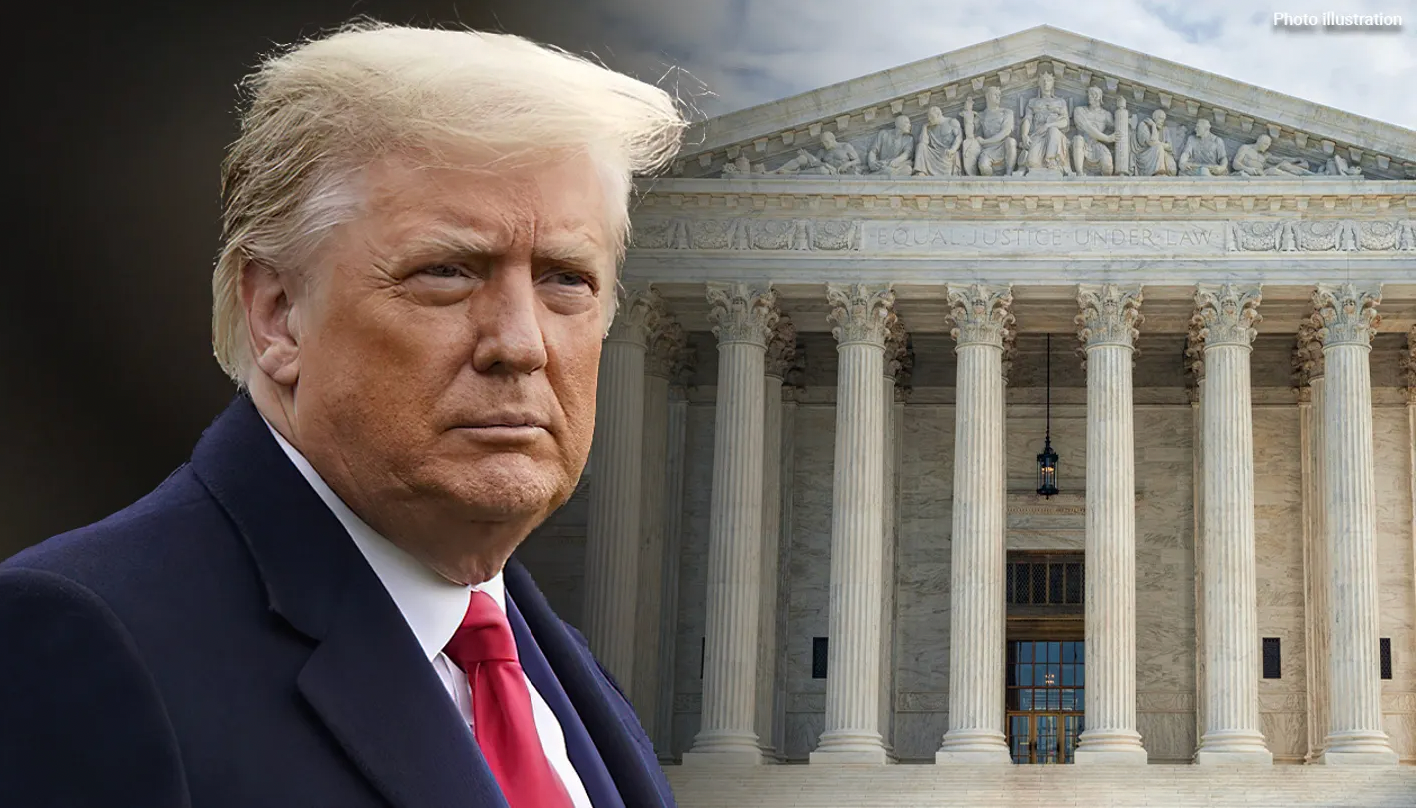
The Supreme Court of the United States has ruled that President Donald Trump may, for now, remove three appointees of former President Joe Biden from the Consumer Product Safety Commission without cause.
The decision marks a further weakening of a decades-old precedent designed to protect the independence of certain regulatory agencies while balancing executive authority.
“The Consumer Product Safety Commission exercises executive power in a similar manner as the National Labor Relations Board, and the case does not otherwise differ from Wilcox in any pertinent respect,” the court said in its order.
In a separate concurrence, Justice Brett Kavanaugh indicated he would have preferred to take up the case for full review later this year.
All three liberal justices on the court dissented.
Justice Elena Kagan, writing for herself and Justices Sonia Sotomayor and Ketanji Brown Jackson, criticized the majority for acting through the emergency docket to block congressional limits on presidential removal power. She argued that the ruling expands executive authority at the expense of Congress.
“The majority has acted on the emergency docket—with ‘little time, scant briefing, and no argument’ — to override Congress’s decisions about how to structure administrative agencies so that they can perform their prescribed duties,” she wrote. “By means of such actions, this Court may facilitate the permanent transfer of authority, piece by piece by piece, from one branch of Government to another.”
Although temporary, the Court’s move directly challenges Humphrey’s Executor v. United States, a landmark 1935 decision that limited the president’s ability to remove officials from independent agencies.
In that unanimous ruling, the Court determined that President Franklin D. Roosevelt could not remove a commissioner from the Federal Trade Commission solely for opposing his policies. The decision established that Congress can protect officials at independent agencies from removal except in cases of misconduct or other valid cause.
In 2021, President Biden appointed three commissioners to the Consumer Product Safety Commission, which is responsible for setting product safety standards, managing recalls, researching hazards, and in some cases banning dangerous products.
However, early in his new term, President Trump removed those commissioners before their terms had expired.
The commissioners filed a lawsuit, arguing that the president lacked authority to terminate their positions without cause. They maintained that Congress structured the agency as an independent body and that the law permits removal only for “neglect of duty of malfeasance in office.”
The Trump administration argued that the president, as chief executive, has the authority to remove commissioners “at will,” contending that they exercise “substantial or considerable executive power.”
A federal judge in Maryland temporarily blocked the removals and ordered the commissioners reinstated while the case proceeds in lower courts.
After the United States Court of Appeals for the Fourth Circuit declined to intervene, the administration appealed to the Supreme Court, citing a prior decision allowing the removal of officials from the National Labor Relations Board and the Merit Systems Protection Board.
The Court again sided with the administration.
In a similar ruling earlier this year, the justices allowed Trump to remove two Democratic-appointed agency officials, again over the dissent of the court’s three liberal members.
However, the Court declined the administration’s request to fast-track full consideration of the case this term, postponing a final decision on whether the president has permanent authority to dismiss such officials.


Oil prices took a sharp turn Monday, tumbling to their lowest levels in 11 days as traders reacted to signs of possible diplomatic movement between the United States and Iran — while Saudi Arabia finds new ways to keep massive amounts of crude flowing despite mounting turmoil across the Middle East.
Brent crude for November plunged $2.69, or 2.6%, to $101.18 a barrel by 12:54 p.m. GMT after briefly touching its lowest level since September 10.
U.S. crude fell even harder.
West Texas Intermediate’s October contract, which expires Tuesday, dropped $2.69, or 2.7%, to $97.61 a barrel. The November WTI contract stood at $93.49.
The sudden retreat came despite continued fighting across the Middle East and another exchange of threats between Washington and Tehran over the weekend.
But markets received a potentially significant signal Sunday.
President Donald Trump said he would be open to meeting Iranian President Masoud Pezeshkian, who is expected to travel to New York for this week’s United Nations General Assembly.
Iran has also reportedly conveyed conditions to mediators for potentially reopening negotiations, according to a report citing Iranian security chief Mohsen Rezaei.
Those signals raised the possibility of renewed talks between Washington and Tehran, reducing some of the immediate fears that further escalation could threaten global energy supplies.
But on the ground, the situation remains volatile.
Iran-backed Houthi forces in Yemen said they attacked Riyadh and a Saudi Aramco facility in the Red Sea city of Yanbu while continuing efforts to expand their control in Yemen.
China has also pressed Iran to help restrain the Houthis following an appeal from Saudi Arabia, according to sources familiar with the discussions.
Meanwhile, Saudi Arabia is making major adjustments to keep its oil moving.
Attacks disrupted the kingdom’s East-West pipeline and complicated shipments through Yanbu, but Saudi Aramco has responded by increasing exports through the Strait of Hormuz this month and next.
That shift appears to be having a significant impact on global supply concerns.
“Middle East oil flows remain surprisingly strong despite the disruption to Saudi Arabia’s East-West pipeline,” JPMorgan analysts said in a September 18 note.
The numbers behind the shift are dramatic.
“The most notable pivot has come from Saudi Arabia,” the analysts said, as satellite data indicated Saudi oil moving through the Strait of Hormuz averaged 2.9 million barrels per day over the previous six days.
In August, that figure had been just 700,000 barrels per day.
That massive increase has helped ease immediate fears that the escalating conflict could trigger a much more serious supply crunch.
Oil producers are also increasingly turning to ship-to-ship transfers near Oman to keep crude moving through the region.
Those workarounds have helped prevent a more severe disruption in global supplies, but they aren’t coming cheaply.
Shipping costs have surged as tankers navigate increasingly complicated and potentially dangerous routes.
There are supply concerns elsewhere as well.
Libya’s National Oil Corporation said production at the country’s Sharara oilfield had been partially reduced, although officials did not provide a reason for the reduction.
Monday’s selloff leaves Brent hovering just above the closely watched $100-per-barrel threshold after prices surged above $108 last week.
That puts global oil markets at a critical point.
On one side, continued fighting, attacks on energy infrastructure and disrupted shipping routes are keeping geopolitical risk elevated.
On the other, Saudi Arabia’s ability to reroute enormous quantities of crude — combined with the possibility of renewed diplomacy between Washington and Tehran — is easing fears of an immediate supply shock.
Now traders are turning their attention to New York.
This week’s United Nations meetings could provide the next major signal about whether Washington and Tehran are moving toward negotiations or whether tensions will escalate again.
At the same time, Saudi Arabia is racing to keep crude flowing through one of the world’s most strategically important — and increasingly volatile — energy corridors.
With Brent sitting barely above $100, either development could quickly send oil markets moving again.
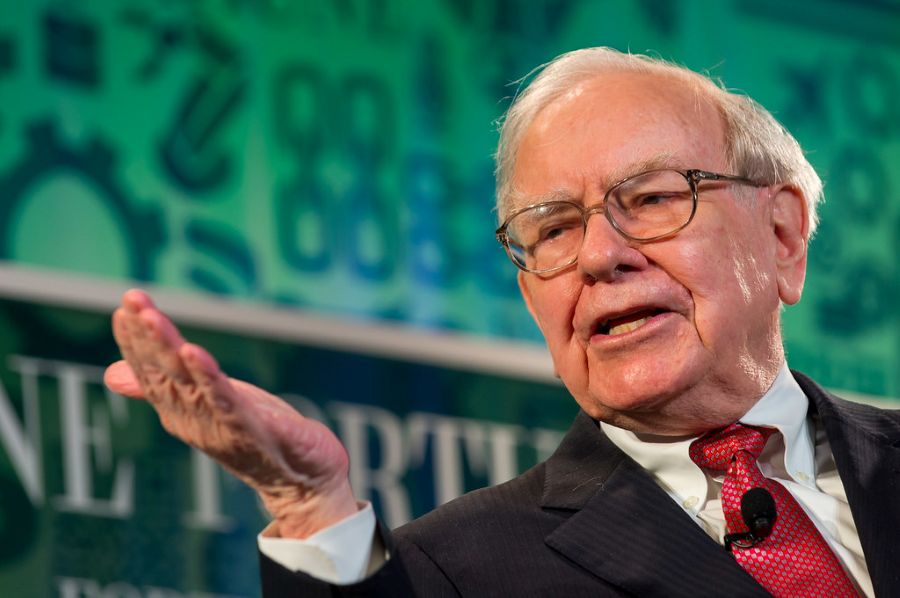
An extraordinary era in American business is coming to an end.
Warren Buffett is officially stepping away from the chairman’s seat at Berkshire Hathaway, closing another chapter in a remarkable run that stretched for more than half a century and turned the legendary investor into one of the most influential figures in modern business.
Berkshire announced Friday that Buffett, 96, will become chairman emeritus effective immediately. He isn’t cutting ties with the company entirely, however, and will remain on Berkshire’s board of directors.
Taking his place as chairman will be his son, Howard Buffett.
Howard has served as a Berkshire director since 1993 and has spent decades leading the Howard G. Buffett Foundation. His elevation to chairman represents another major piece of a succession plan Berkshire has been preparing for years.
For Warren Buffett, the announcement marks the latest — and one of the most significant — steps away from the company he spent decades building into a corporate powerhouse.
Buffett had served as Berkshire Hathaway’s chairman since 1970.
During that time, he oversaw an extraordinary transformation, taking what had once been a struggling textile business and building it into a massive conglomerate with operations spanning insurance, railroads, energy, manufacturing, retail and services.
His influence over the company’s day-to-day operations had already begun to diminish.
Buffett stepped down as Berkshire’s chief executive late last year, turning control of the company over to longtime lieutenant Greg Abel.
Now the chairman’s title is changing hands as well.
Friday’s announcement means Berkshire is entering a new era in which Abel runs the company’s operations while Howard Buffett oversees the board.
Warren Buffett, however, isn’t disappearing.
As chairman emeritus, he will remain a director and continue providing his judgment and perspective to the company’s leadership — preserving a connection between Berkshire’s future and the man who shaped its identity for generations.
Following the announcement, Abel paid tribute to the enormous impact Buffett has had on the company.
“Warren’s impact on Berkshire and its owners is without parallel in the history of American business,” Abel said in a statement. “The culture Warren built and the values he championed will remain at the heart of Berkshire, and Howard will be their guardian.”
That culture became almost as famous as Buffett himself.
Rather than chasing every new market trend, Buffett built his reputation around patience, long-term investing, disciplined acquisitions and a straightforward approach to evaluating businesses.
Under his leadership, Berkshire accumulated an enormous portfolio of operating companies while also becoming famous for taking major stock positions in some of America’s most recognizable corporations.
Along the way, Buffett became more than a corporate executive.
His annual shareholder letters, public appearances and Berkshire shareholder meetings turned the Omaha investor into one of the world’s most closely followed voices on investing, business and the American economy.
But the transition away from Buffett has been unfolding for some time.
Last year, Buffett announced that Abel would become Berkshire’s top executive. He later signaled that his own public presence would shrink, including fewer appearances at Berkshire’s annual meeting and an end to writing the company’s annual shareholder letter.
Howard Buffett’s move into the chairman’s position wasn’t unexpected either.
The younger Buffett had long been identified as an important part of Berkshire’s eventual succession structure, with his father previously describing the chairman’s role as a safeguard for the company’s distinctive culture and values once he was no longer overseeing daily operations.
That succession plan is now becoming reality.
Greg Abel is running Berkshire as CEO.
Howard Buffett is taking control of the board as chairman.
And Warren Buffett — after more than five decades at the center of one of the most remarkable corporate transformations in American history — is moving into an advisory role as chairman emeritus.
The legendary investor may still have a seat at the table.
But the company he built is officially moving into its post-Buffett leadership era.
A tragic accident at Edwards Air Force Base claimed the lives of eight Americans Monday when a U.S. Air Force B-52 Stratofortress bomber crashed shortly after takeoff during a routine test mission, according to military officials.
The aircraft went down at approximately 11:20 a.m. PDT while conducting a local test sortie connected to a radar modernization program. Witnesses reported seeing the bomber erupt in flames before a massive plume of black smoke rose into the sky above the Mojave Desert.
Emergency response teams rushed to the scene, but officials quickly determined that there were no survivors.
Speaking at a press conference, Col. James Hayes, deputy commander of the 412th Test Wing, confirmed the devastating loss.
“Today, Edwards Air Force Base experienced a horrible tragedy, and we lost eight great Americans,” Hayes said.
“This crash is deemed to be unsurvivable, and right now, our thoughts and prayers are with the families of those who lost their loved ones,” Hayes added.
Hayes also provided additional details regarding the mission.
“It was a B-52 that was on initial takeoff supporting the radar modernization program, which is a test; it was a local test sortie,” he explained.
According to officials, the crew included military personnel, civilian government employees, and contractors working on the modernization effort. Two Boeing employees were reportedly among those aboard the aircraft.
The loss sent shockwaves through the military community and prompted an outpouring of condolences from government leaders and defense officials across the country.
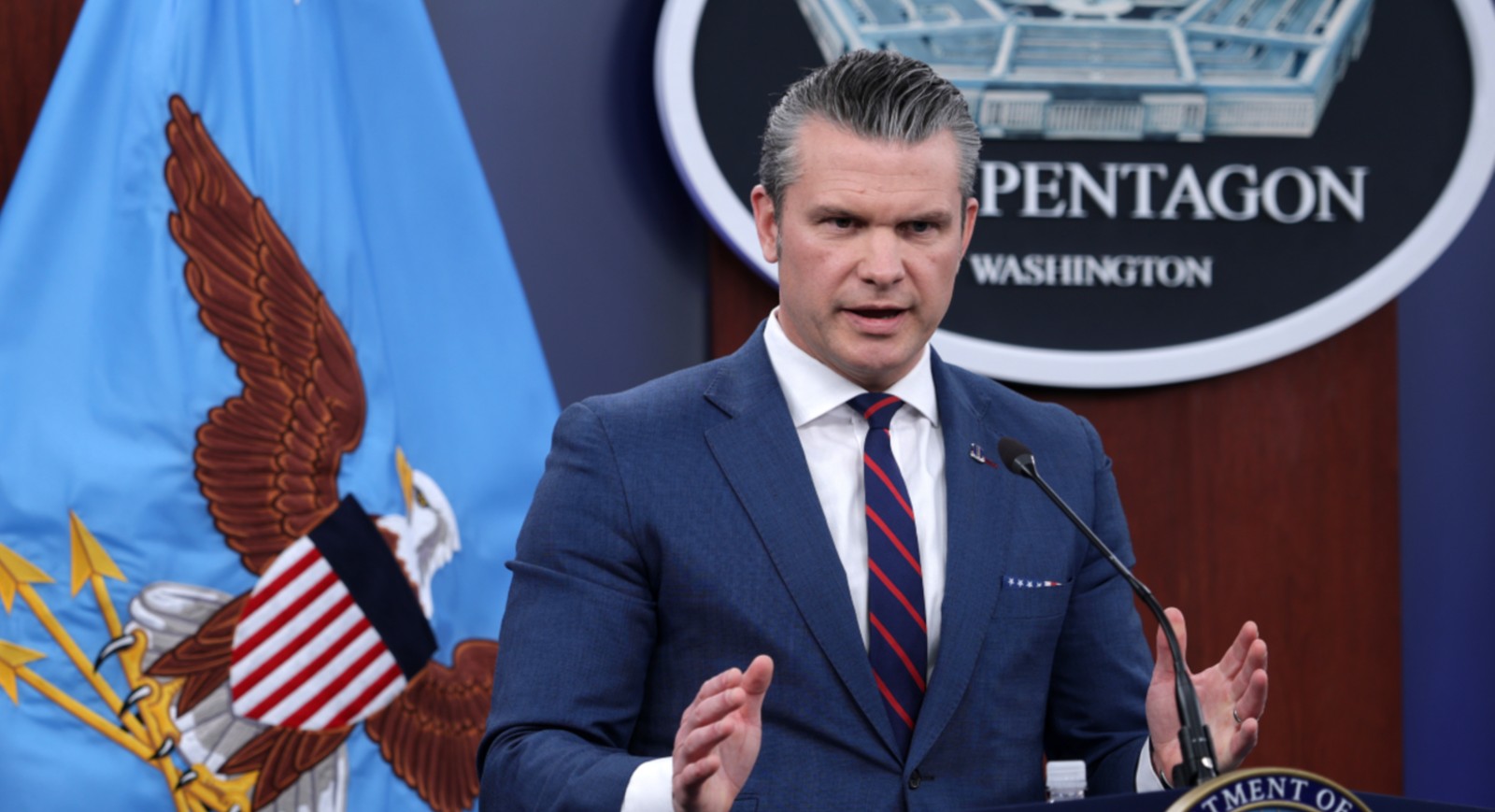
Defense Secretary Pete Hegseth responded on social media shortly after news of the crash became public.
“May GOD shepherd the souls of these incredible Americans — and watch over their families,” Hegseth wrote.
“Our thoughts and prayers are with the families and unit members at this time. More information will be released as it becomes available,” Hegseth added.
Air Force Secretary Troy Meink also expressed his sorrow over the tragedy.
“We mourn this loss and honor the service of our Airmen, civilians, and contractors who work every day to advance our mission,” Meink said. “My thoughts are with the bomber and test communities during this difficult time.”
The B-52 Stratofortress remains one of the most recognizable aircraft in American military history. First entering service in the 1950s, the bomber has served through multiple conflicts and remains a key component of America’s strategic deterrent capabilities. Despite its age, the aircraft continues to undergo modernization efforts intended to keep it operational for decades to come.
House Speaker Mike Johnson noted the aircraft’s significance to many military communities across the nation.
“The roar of a B-52 is a familiar sound to all of us in Bossier City, Shreveport, and the surrounding region, and reminds us daily of the courage and sacrifice of those in uniform,” Johnson posted.
“As more details emerge, we mourn alongside our military community and pray for the families, friends, and fellow service members grieving this devastating loss,” Johnson added.
The crash also caused damage to portions of the runway at Edwards Air Force Base, forcing officials to temporarily suspend flight operations while investigators and recovery crews secured the area.
Military officials have launched a formal accident investigation. While no cause has yet been identified, aviation experts note that test flights often involve unique operational conditions and that investigators will carefully examine aircraft systems, maintenance records, flight data, weather conditions, and crew communications.
Officials cautioned that a full investigation could take several months before definitive conclusions are reached.
California Gov. Gavin Newsom also extended condolences to the families of those lost while thanking first responders who responded to the scene.
Boeing confirmed that two of its employees were aboard the aircraft and said the company is fully cooperating with investigators.
“It is with great sadness that we confirm two Boeing employees were among those on board. We are in contact with their families and are offering support,” Boeing said.
Sen. Thom Tillis of North Carolina joined other leaders in honoring the victims.
“Susan and I are heartbroken by the tragic loss of eight lives in the B-52 crash at Edwards Air Force Base. Our hearts are with the families and loved ones of those lost, as well as the entire Edwards Air Force Base community. We honor their service to our nation and mourn their loss.”
As investigators work to determine what caused the accident, the nation is mourning the loss of eight Americans who were serving their country in support of a mission aimed at maintaining the technological edge of the U.S. military. Their sacrifice now becomes part of the long and storied history of Edwards Air Force Base, a location that has played a central role in some of America’s most important aviation achievements.

NEW: Trump Vows To Prosecute His Own STAFF!

Trump Just Activated ‘Level 3’ — It’s Serious

Powerful Dem Senator Arrested 12 Days Before Midterms

Ilhan Omar Gives Jaw-Dropping Answer When Asked If She Married Her Brother

Man Arrested For ISIS-Linked Assassination Plot Targeting GOP Congressman

JUST IN: Sarah Palin Makes Heartbreaking Announcement

Charlie Kirk’s Mother Breaks Her Silence After Erika Kirk’s Public Statement

National Emergency Declared — Trump Called In

Michelle Obama Public Disaster — Photos Explode Across D.C.

Feds Raid Ilhan Omar’s Home — Make Horrifying Discovery

ALERT: Trump Set To Make ‘Special Announcement’ From Oval Office

Fireworks Erupt On Capitol Hill After 52-45 Vote For Trump!
-
 Economy6 months ago
Vance Leaves Meeting, Looks Straight Into Camera, Announces Stunning Arrest
-
 Economy6 months ago
Adam Schiff Facing 30 Years In Prison After Bank Records Leak
-

 Culture4 months ago
Michelle Obama Drops Nasty Bomb About ‘Useless’ Daughter
-
 Economy7 months ago
All Hell Breaks Loose On Fox When Jesse Watters Asks Fetterman One Question
-
 Economy5 months ago
Prayers Pour In After Fox Host Dies: ‘Senseless Murder’
-

 Border & Security3 months ago
Top Trump Admin And Wife Found Dead — Chilling Update Just Released
-

 Latest4 months ago
Fox News Stuns With Announcement About 5 Fired Hosts
-

 Economy4 months ago
Pete Hegseth Just Confirmed Devastating Rumors