
Latest
Army cuts helicopters, pushes ‘Amazon for war’ as drone combat reshapes military

Army leaders signaled Wednesday that drone-heavy warfare and recent conflicts in Ukraine and the Middle East are reshaping the service’s aviation and missile defense strategy, driving new scrutiny of helicopter programs and costly Patriot interceptor systems.
The comments come as the Army’s fiscal year 2027 budget request sharply cuts the funding request for helicopter procurement, including reducing Apache funding from roughly $361.7 million to about $1.5 million, Black Hawk funding from about $913 million to roughly $39.3 million and Chinook procurement from roughly $629 million to about $210 million, while increasing investment in drones, autonomy and low-cost battlefield technologies.
The transformation push already is extending beyond procurement. The Army previously announced plans to cut roughly 6,500 active-duty aviation positions over fiscal years 2026 and 2027 — including pilots, flight crews and maintainers — as leaders shift resources toward unmanned systems and drone warfare.
It remains unclear whether the procurement reductions ultimately will shrink aviation fleet sizes, extend the service life of aging aircraft or delay planned replacement cycles.
Army leaders suggested the battlefield lessons driving the changes already are shaping budget decisions, as the service redirects money away from some traditional aviation programs toward drones, autonomy and low-cost mass systems.
“Absolutely, as we look across the aviation portfolio … we’re re-looking that,” Assistant Army Secretary Brent Ingraham said during a Pentagon media roundtable Wednesday.
Ingraham said the Army is reassessing how traditional manned aircraft fit alongside larger unmanned systems increasingly capable of missions once handled by helicopters.
The proposed aviation cuts already have drawn concern on Capitol Hill.
During a recent Senate Armed Services Committee hearing May 12, Sen. Mark Kelly, D-Ariz., warned that the Army’s budget request included “zero H-64 Apaches, zero Chinook Block IIs, and one UH-60 Black Hawk,” arguing the service was divesting critical capabilities before validating replacements.
“Your department’s budget request cuts over $5 billion from the industrial base in the aviation sector alone, effectively shutting down all current Army aviation platforms,” Rep. Rosa DeLauro, D-Conn., top Democrat on the Appropriations Committee, pressed War Secretary Pete Hegseth during a May 12 House Appropriations hearing. “How did the department arrive at the conclusion that reducing procurement for these Army aviation platforms strengthens rather than weakens the aviation industrial base?”
Hegseth acknowledged the Pentagon was reconsidering parts of the plan.
“There are some very good things in the Army Transformation Initiative, and there are some things that we’ve needed to get another look at,” Hegseth told lawmakers during a House hearing after facing questions about the scale of the aviation cuts.
Hegseth said Pentagon leaders were focused on ensuring the Army does not create “aviation capability gaps” as it transitions toward more unmanned systems and next-generation technologies.
‘EYES IN THE SKY’: ARMY DRONE EXPERT EXPLAINS US STRATEGY ON INNOVATION AS GLOBAL CONFLICT LOOMS
Army leaders said the rapid spread of cheap drones is forcing the Army to rethink how it buys and fields aircraft, missile defenses and battlefield technology.
“We know we don’t want to continue to use a Patriot missile to shoot down a cheap drone,” Ingraham said. “You’ve got to get on the right side of the cost curve.”
The concern has become increasingly urgent after the U.S. and its allies burned through large numbers of expensive missile defense interceptors during the Israel-Iran conflict and broader Middle East operations, fueling Pentagon concerns about stockpile depletion and the long-term sustainability of relying on multimillion-dollar defensive systems against cheap drones and missiles.
Officials also described a new allied drone and counter-drone procurement marketplace designed to speed foreign military sales and standardize interoperable systems across partner nations. Driscoll compared the effort to “an Amazon for war.”
Officials said the marketplace is expected to become available to roughly 25 U.S. allies and partners worldwide, initially focused on drone and counter-drone systems before potentially expanding to additional capabilities and countries.
The platform will for now only allow allies to buy U.S. capabilities.
US DRAINS CRITICAL MISSILE STOCKPILES IN IRAN WAR AS YEARSLONG REBUILD LOOMS
The Army also is launching a rapid competition to develop low-cost interceptors designed to counter drones and cruise missiles without exhausting multimillion-dollar Patriot missile stocks.
Ingraham said companies will have roughly 120 days after an upcoming industry event to demonstrate technologies ranging from rocket motors and seekers to fully integrated interceptor concepts.
“Even if you don’t have it all on the ground … bring it,” he said.
The transformation effort reflects growing concern inside the Pentagon that cheap drones, autonomous systems and mass-produced weapons are rapidly changing the economics and survivability assumptions of modern warfare, particularly after conflicts in Ukraine and the Middle East exposed vulnerabilities in traditional armored and aviation-heavy battlefield concepts.
Army leaders increasingly suggest future wars will rely less on small numbers of expensive manned platforms and more on large quantities of cheaper, networked and rapidly replaceable systems capable of surviving in drone-saturated battlefields.
Army Secretary Daniel Driscoll said at the roundtable that the service is attempting to overhaul what leaders view as decades of broken acquisition practices that left the Army too slow to adapt to rapidly changing battlefield conditions.
“How do we dig down deep into the system to change the broken processes that have led to so many bad outcomes over the last 30 years?” Driscoll said.
Driscoll said the Army had lost Congress’s trust after decades of acquisition failures and budget overruns.
“The United States Army had in some ways lost Congress’s trust over the last 30 years that we could do big new projects, keep them on time, keep them on budget,” he said.
He later referenced the Army’s now-canceled M10 Booker armored vehicle program as an example of the type of procurement failure leaders are trying to avoid.
“When we go to Congress and say, ‘Hey, trust us to develop a new platform. This one will not turn out like the Booker tank,’” Driscoll said.
Driscoll argued the Army already is trying to field new capabilities on dramatically accelerated timelines more similar to wartime adaptation cycles seen in Ukraine than traditional Pentagon acquisition schedules.
“When Operation Epic Fury kicked off, we were able to on day five go start the process to purchase 13,000 Merops counter-drone interceptors,” Driscoll said.
“By day 10, we had contracted for something we had never purchased before,” he added. “They were starting to flow into theater in the thousands by day 20.”
Army officials also said the service is trying to rapidly improve how weapons systems, sensors and battlefield networks communicate with one another after studying Ukraine’s ability to quickly integrate commercial and military technologies during the war.
“The Ukrainians were highlighting to us how their open architecture system allowed information to pass between nearly all of their sensors and radars,” Driscoll said. “That empowered so many things that they could do that we just can’t do yet.”
“At this exact moment at Fort Carson, there are 450 developers and programmers jailbreaking all of our equipment,” he added.
“I’m cautiously optimistic within a month from now we will have jailbroken literally hundreds of pieces of equipment.”

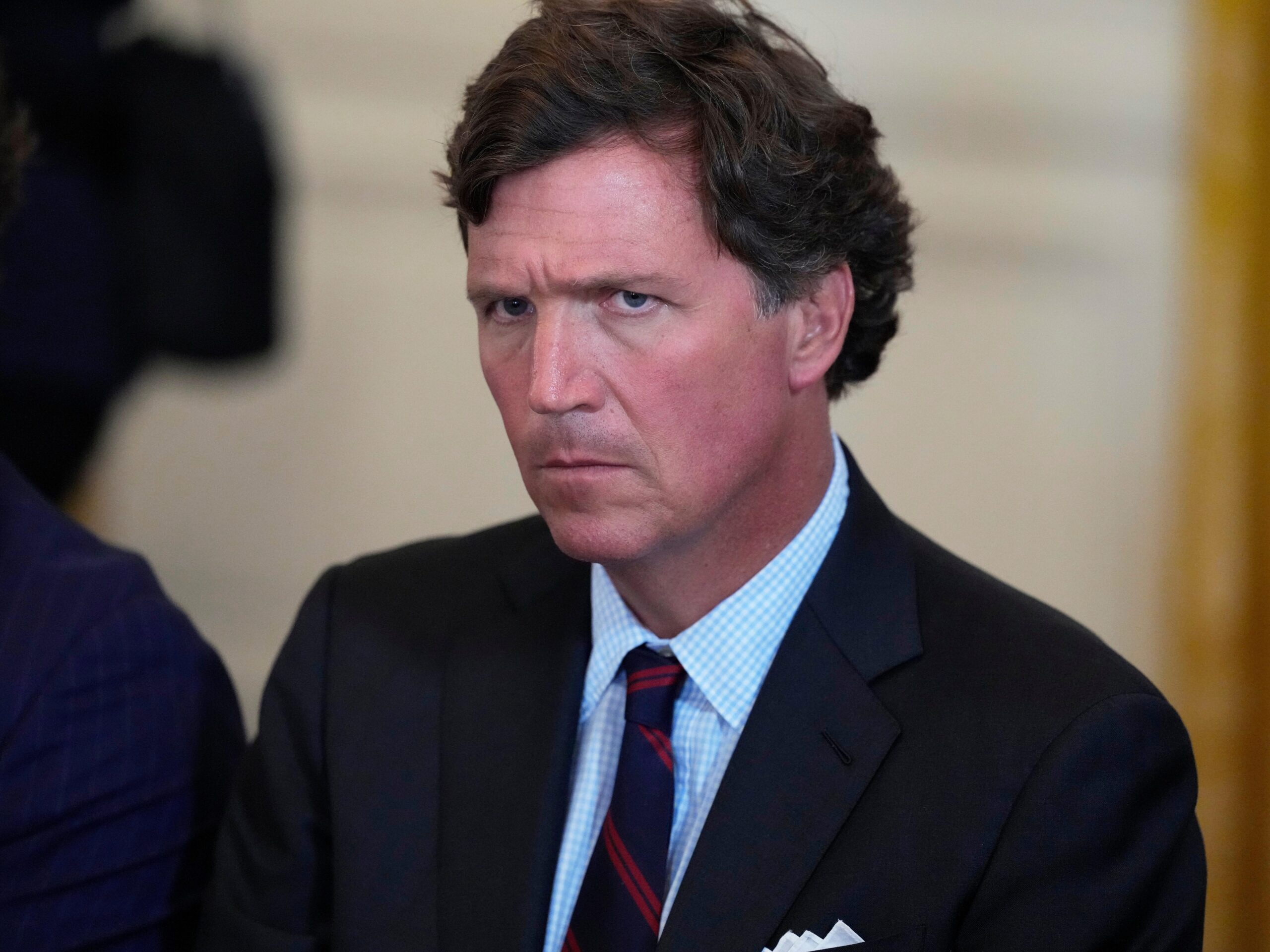
A growing divide within the conservative movement is becoming increasingly difficult to ignore, as longtime commentator Tucker Carlson declared that he no longer considers himself a Republican, citing frustration with what he sees as the party’s abandonment of its America First roots.
Carlson made the remarks during a podcast appearance with hosts Travis Dhanraj and Karman Wong, where the discussion turned to the political landscape ahead of the upcoming midterm elections and whether voters remain satisfied with the direction of the Republican Party.
While Carlson made clear that he remains aligned with many conservative principles, he argued that some Republican leaders have drifted away from the priorities that helped fuel President Donald Trump’s rise and transformed the GOP into the dominant force it is today.

“I’m out,” Carlson said during the interview.
“And if I’m out, then I think a lot of other people are out.”
Carlson’s comments came as he discussed polling data and voter sentiment ahead of the next election cycle.
“I would not support the Republican party. There’s no chance I would support the Republican party,” he said.
The former Fox News host argued that certain Republican lawmakers had betrayed their voters by supporting policies he believes put foreign interests ahead of American priorities.
“How could I or any American voter support a political party that’s not loyal to the United States? That puts the interests of a foreign country above those of its own citizens?
“It’s not possible to vote for people like that, and I’m not going to.”
Carlson’s remarks highlight a growing debate inside conservative circles over the future direction of the Republican Party.
At the center of the disagreement is not President Trump himself, but rather how some Republicans have approached foreign policy, military intervention, and America’s role overseas.
Trump built his political movement on the promise of putting American interests first, securing the border, rebuilding the economy, restoring energy independence, and avoiding the endless foreign conflicts that frustrated many voters for decades.
Many of Trump’s supporters continue to view the America First agenda as one of the defining achievements of his political movement.
Carlson suggested that some Republicans have lost sight of those principles.
“I think I’ve voted Republican my entire life,” Carlson said.
“I’ve been a consistent defender for 35 years, of the Republican party. I mean, a very consistent defender.”
“But there’s no defending this because it’s immoral and it’s exactly the opposite of what a political party in a democracy is charged with doing — which is representing its own voters, its own citizens, its own nation.”
“And they’re not doing that,” Carlson concluded.
The comments come amid an ongoing debate among conservatives regarding foreign policy, particularly following recent tensions involving Iran and the broader Middle East.
Carlson has been one of the most vocal advocates of a non-interventionist approach that emphasizes American interests above foreign entanglements. Other conservatives, including commentators and lawmakers aligned with a more traditional hawkish worldview, have argued that a strong American presence abroad remains necessary to protect national security.
The disagreement intensified after military operations involving Iran earlier this year, with Carlson and several other prominent voices warning against policies they believe could lead to deeper involvement in overseas conflicts.
Despite those disagreements, Carlson has generally continued to support many of Trump’s domestic policies, including border security, immigration enforcement, energy production, and efforts to prioritize American workers and taxpayers.
The broader divide illustrates the ongoing evolution of the Republican Party under Trump’s influence.
For decades, the GOP was largely defined by traditional establishment conservatives who favored aggressive foreign policy and intervention abroad. Trump’s rise fundamentally reshaped that coalition, bringing millions of working-class voters, independents, and populist conservatives into the party.
Today, debates like the one Carlson has raised reflect a larger question facing Republicans: how closely the party will adhere to the America First principles that helped fuel Trump’s political success.
Whether Carlson ultimately returns to the Republican fold remains to be seen. But his comments underscore a reality that many political observers have noted in recent years: the future of the conservative movement is increasingly being shaped by debates over foreign policy, national sovereignty, and what it truly means to put America first.
As those discussions continue, one thing remains clear: the America First movement that transformed Republican politics is still driving much of the conversation inside the conservative movement today.
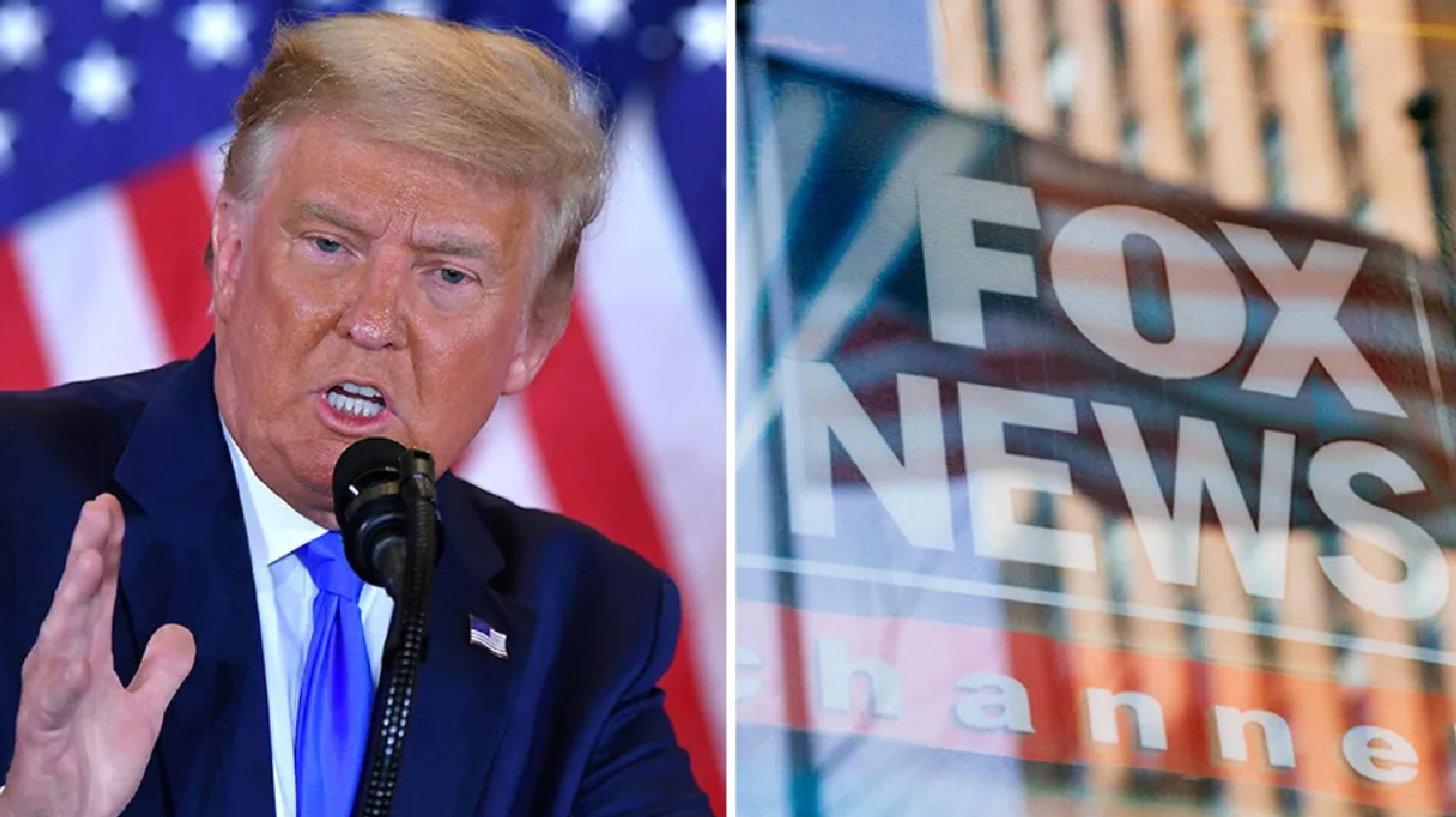
A growing divide within the conservative movement spilled into public view this weekend as Fox News host Mark Levin launched a blistering attack on President Donald Trump’s Iran strategy, accusing the administration of pressuring Israel while pursuing a diplomatic agreement designed to permanently prevent Iran from obtaining a nuclear weapon.
The dispute comes as the Trump administration continues negotiations with Tehran following a series of devastating military strikes that crippled Iran’s nuclear infrastructure, eliminated key regime leaders, and left the Islamic Republic in one of the weakest positions it has faced in decades.

President Trump and Vice President JD Vance have argued that the administration is negotiating from a position of overwhelming strength after demonstrating a willingness to use military force when necessary. Their goal, they say, is simple: ensure Iran never obtains a nuclear weapon while avoiding another endless war in the Middle East.
Levin, however, remains deeply skeptical.
During a fiery monologue that lasted more than 17 minutes on Saturday, the longtime conservative commentator accused members of the administration of unfairly targeting Israel while becoming too optimistic about Iran’s intentions.

“I want to say to people in and out of the administration: stop trashing, smearing, bullying the little state of Israel. Stop cozying up to and telling us that the enemy regime in Iran is now more rational, more moderate, and a regime that we can deal with,” Levin demanded. “When just a few months ago they slaughtered 50,000 people, they’re still hanging young people today and, if they had a nuclear missile today, they’d fire it into our country as sure as I’m alive.”
Levin also rejected any suggestion that Israel should allow outside governments to dictate its security decisions.
“I don’t know what’s going on, but if people think they can bully a little country, Israel — a people that have existed 4,000 years through the Babylonians and the Persians, through the Romans and the Third Reich — into surrendering their defense and their decision on how to secure their country, they get another thing coming,” Levin continued. “I think it’s outrageous.”
The criticism did not stop there.
Levin also used social media to question several administration policies, including reports surrounding a Boeing 747 gifted by Qatar and modified for use supporting presidential airlift operations.
“If it’s legal and other countries do it so be it. Do you think wealthy countries should be able to lavish gifts on our government?” Levin wrote.
His sharpest criticism, however, focused on the administration’s efforts to secure a broader peace agreement with Iran and its proxies.
“Item #1 in the MOU provides there’s an immediate and permanent end to the war and that includes Hezbollah in Lebanon. Iran is Hezbollah,” Levin posted. “What’s the enforcement mechanism? Nothing. Israel defends itself after constant attacks from Hezbollah and is admonished for it. Its interests are not aligned with ours, we’re told. It’s endangering the peace deal. This is beyond nuts.”
In another post, Levin argued that current ceasefire efforts were coming at Israel’s expense.
“Apparently as long as Israeli soldiers are killed the ceasefire is holding,” Levin claimed.
The administration has strongly rejected suggestions that it is abandoning Israel or weakening its support for America’s closest ally in the Middle East.
President Trump responded directly Sunday with a warning aimed squarely at Iran and its regional proxies.
“Iran must immediately stop their highly paid PROXIES in Lebanon from causing trouble. If they don’t, we’ll hit Iran very hard again, just like we did last week, only harder!!!” Trump posted on Truth Social.
For supporters of the administration, that message demonstrates exactly why they remain confident in Trump’s approach. They argue that no modern president has shown a greater willingness to confront Iran militarily while simultaneously seeking a diplomatic resolution that serves American interests.
Vice President JD Vance and Secretary of State Marco Rubio have both emphasized that any final agreement would require Iran to permanently abandon its nuclear ambitions, submit to extensive inspections, and comply with strict verification requirements before receiving any economic benefits.
Administration officials also note that no sanctions have been lifted, no frozen assets have been released, and no direct payments have been authorized.
Instead, they argue that Trump has successfully put Iran in a position where the regime must choose between compliance and continued isolation.
The disagreement highlights a broader debate that has been developing inside the Republican Party for years.
Traditional foreign-policy hawks often favor maintaining maximum military pressure and remain deeply skeptical of negotiations with hostile regimes.
Trump’s America First coalition generally supports overwhelming military strength but prefers leveraging that strength into favorable deals that avoid long-term military entanglements.
Supporters of the president argue that Trump’s strategy reflects the same formula that has defined much of his foreign policy: peace through strength.
Strike hard when necessary. Demonstrate unquestionable resolve. Negotiate from a position of power. And avoid the costly nation-building efforts and endless conflicts that frustrated many Americans for decades.
As negotiations continue, the debate between Levin and the Trump administration reflects a larger question facing conservatives: how best to secure American interests abroad while staying true to the America First principles that have reshaped the Republican Party.
For now, President Trump appears committed to proving that military strength and diplomacy are not opposing strategies—but complementary tools for achieving lasting peace and protecting America’s national security.
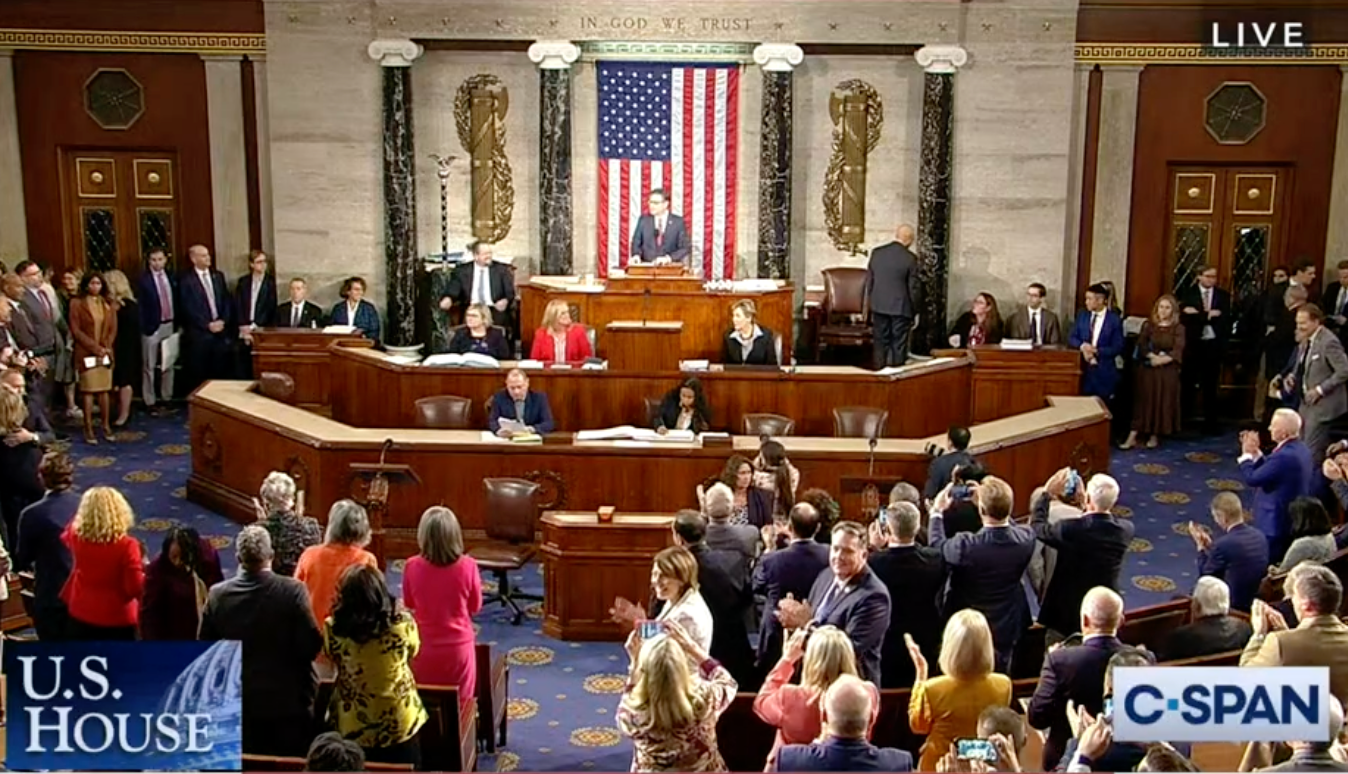
In a rare display of bipartisan cooperation, the U.S. House of Representatives overwhelmingly passed the amended 21st Century ROAD to Housing Act this week, advancing a package of reforms designed to tackle America’s housing affordability crisis while delivering on several key priorities championed by President Donald Trump.
The legislation passed by a decisive 396-13 vote, reflecting broad agreement that soaring housing costs, rising rents, and limited inventory have pushed homeownership out of reach for millions of Americans.
Supporters say the bill addresses one of the country’s most pressing economic challenges by cutting red tape, increasing housing supply, strengthening lending opportunities, and helping ensure that American families—not large corporations—have a fair shot at buying homes.
The legislation combines elements of previous House and Senate proposals and seeks to address housing shortages that have contributed to record-high home prices in many parts of the country.
House Financial Services Committee Chairman French Hill praised the measure as a practical, results-oriented solution focused on expanding opportunities for working Americans.
“This bill prioritizes American families by expanding homeownership, enhancing affordability, reducing burdensome regulations that drive up costs, and increasing housing supply nationwide,” Chairman Hill stated.
“Importantly, it delivers on President Trump’s call to limit institutional investors from competing with the American people as they seek to purchase a home,” Hill added.
The legislation includes a variety of reforms aimed at accelerating housing construction and reducing barriers that have slowed development for years.

Among its key provisions, the bill streamlines federal permitting requirements, reduces lengthy environmental review processes for certain redevelopment and infill housing projects, and encourages innovative housing solutions such as modular and manufactured homes.
The measure also provides grants to local governments willing to modernize zoning laws and remove restrictions that limit new construction.
Supporters argue that restrictive zoning policies, excessive permitting delays, and government bureaucracy have significantly contributed to America’s housing shortage.
Rather than relying on massive new federal spending programs, the legislation focuses on empowering local communities, encouraging private-sector investment, and removing obstacles that make housing more expensive.
The bill also raises loan limits for multifamily housing developments, creating incentives for apartment construction and expanding options for renters and first-time buyers alike.
Additional provisions strengthen rural housing initiatives, expand support for veterans seeking housing, modernize financing for smaller mortgage loans, and increase the role community banks can play in local lending markets.
Community banks have long argued that excessive regulations have made it more difficult for them to serve homebuyers and construction projects in their local communities.
Democratic Rep. Maxine Waters acknowledged the seriousness of the housing crisis despite broader political disagreements.
“America is in the middle of a full-blown affordable housing and homelessness crisis, and working families are burdened by skyrocketing rents and a housing market that is pushing homeownership further out of reach,” Waters said.
One of the most notable aspects of the legislation is its effort to curb the growing influence of large institutional investors in the housing market.
For years, investment firms and corporate landlords have purchased thousands of single-family homes, often outbidding families and first-time homebuyers. Critics argue that this trend has driven up prices while transforming communities into rental markets dominated by large corporations.
The legislation includes targeted restrictions designed to discourage large institutional investors from acquiring additional single-family homes.
That approach aligns closely with President Trump’s housing agenda.
Throughout his second administration, Trump has repeatedly argued that homeownership should remain a cornerstone of the American Dream and that government policies should prioritize families over Wall Street investors.
In his National Homeownership Month proclamation earlier this month, Trump emphasized the importance of restoring affordability and expanding opportunities for future homeowners.
“During National Homeownership Month, my Administration recommits to making housing more affordable so that young Americans and hardworking families can raise children, build memories, and create a future in a home of their own,” Trump said.
The president has frequently blamed the housing crisis on “reckless spending, burdensome regulations, and failed housing policies” implemented under previous administrations, as well as “mass illegal immigration and large institutional investors” that have increased pressure on housing supply.
Trump has also taken executive actions aimed at reducing institutional ownership of single-family homes, lowering mortgage costs, and strengthening federal housing programs.
“Under my leadership, America will be a Nation where homes belong to families — not corporations,” Trump said.
At the same time, Trump has emphasized the importance of protecting the value of homes already owned by millions of Americans.
“I don’t want to drive housing prices down. I want to drive housing prices up for people that own their homes. Existing housing, people who own their homes, we’re going to keep them wealthy. We’re going to keep those prices up. We’re not going to destroy the value of their homes so that somebody that didn’t work very hard can buy a home,” Trump said during a Cabinet meeting earlier this year.
He has also repeatedly summarized his housing philosophy with a simple message:
“Homes are built for people, not for corporations, and America will not become a nation of renters.”
With overwhelming bipartisan support in the House and growing concern over affordability nationwide, supporters hope the legislation will mark a significant step toward restoring homeownership opportunities and ensuring that the American Dream remains within reach for future generations.

Tucker Carlson Officially Makes Shock Announcement — He’s Out

Top Fox News Host Suffers Deranged Meltdown On LIVE TV — Doesn’t End Well…

It’s Over! The House Votes 396-13 — Trump Just Won!

Disturbing Discovery Obama Hid In New Presidential Library Just Found

DOJ Drops Hammer On MLB — Pride Night Backfires BIG Time

Biden Humiliates Himself On Stage — Video Captures Everything
-
 Economy4 months ago
Vance Leaves Meeting, Looks Straight Into Camera, Announces Stunning Arrest
-
 Economy4 months ago
Adam Schiff Facing 30 Years In Prison After Bank Records Leak
-
 Economy4 months ago
Supreme Curt Sides With Trump — He Can Remove The All
-
 Economy4 months ago
All Hell Breaks Loose On Fox When Jesse Watters Asks Fetterman One Question
-

 Economy2 months ago
Prayers Pour In After Fox Host Dies: ‘Senseless Murder’
-
 Economy4 months ago
NBC Stops LIVE Broadcast — Breaks Big Trump News
-
 Economy4 months ago
Trump Pulls Off Miracle Of A Lifetime — It’s Permanently Open
-

 Economy4 months ago
Swalwell Facing Jail Time After Sickening New Video Leaks