
Culture
Star Disney Actress Dead At Just 35 Years Old


Hollywood is mourning the loss of former child star Daveigh Chase, whose memorable performances in some of the most iconic films of the early 2000s left a lasting impression on an entire generation of moviegoers.
Chase, best known for voicing Lilo in Disney’s beloved animated classic *Lilo & Stitch* and portraying the terrifying Samara Morgan in the horror blockbuster *The Ring*, died Tuesday at the age of 35 following a sudden health battle. According to reports, Chase suffered from meningitis and a severe blood infection that led to septic complications and ultimately caused multiple organ failure. She had reportedly been hospitalized in Los Angeles earlier this month after struggling with malnutrition.
The actress rose to fame at an incredibly young age and quickly became one of the most recognizable child performers of her generation.
In 2002, Chase landed the role that would make her a household name when she voiced Lilo Pelekai in Disney’s *Lilo & Stitch*. The film became a major box-office success and remains one of Disney’s most beloved animated features more than two decades later. Chase later reprised the role for the franchise’s television series, helping introduce the character to an entirely new audience.
That same year, Chase showcased her remarkable range by delivering one of the most memorable performances in modern horror cinema.
As Samara Morgan in *The Ring*, Chase terrified audiences around the world with her chilling portrayal of the mysterious young girl at the center of the film’s supernatural curse. Her performance became an instant cultural phenomenon and earned her the MTV Movie Award for Best Villain. Even today, many horror fans consider Samara one of the most iconic horror characters of the 21st century.
Beyond those breakout roles, Chase built an impressive résumé that extended across both film and television.
She voiced Chihiro Ogino in the English-language version of the Academy Award-winning animated masterpiece *Spirited Away*, another project that remains beloved by fans worldwide. She also appeared in films such as *Donnie Darko* and *Beethoven’s 5th*, while earning television roles on popular programs including *Sabrina the Teenage Witch*, *ER*, *Charmed*, and HBO’s critically acclaimed drama *Big Love*. Her portrayal of Rhonda Volmer on *Big Love* introduced her talents to an older audience and demonstrated her ability to transition beyond child acting roles.
Despite her early success, Chase faced personal struggles later in life. Reports indicate she dealt with significant hardships in recent years and had been battling serious health challenges prior to her death. Her boyfriend, Roy Hernandez, had reportedly launched fundraising efforts to assist with her care as her condition worsened.
News of Chase’s death has prompted an outpouring of grief from fans who grew up watching her work. Many have reflected on the unique impact she had across multiple genres, from family entertainment to horror films.
Few child actors leave behind two characters as culturally significant as Lilo and Samara. One brought joy, friendship, and heart to millions of children around the world. The other delivered nightmares that horror fans still remember decades later.
Chase’s remarkable career demonstrated a versatility rarely seen in young performers. Whether she was bringing warmth and humor to an animated Disney heroine or delivering one of the most chilling performances in horror movie history, she left a lasting mark on audiences around the world.
Daveigh Chase’s career may have begun at a young age, but the performances she left behind ensured that her work would endure long after the cameras stopped rolling. Her passing marks a tragic loss for Hollywood and for the countless fans whose childhoods were shaped by her unforgettable roles. While her life was cut tragically short, her legacy will continue through the beloved characters and memorable performances that made her one of the most recognizable young stars of her generation.

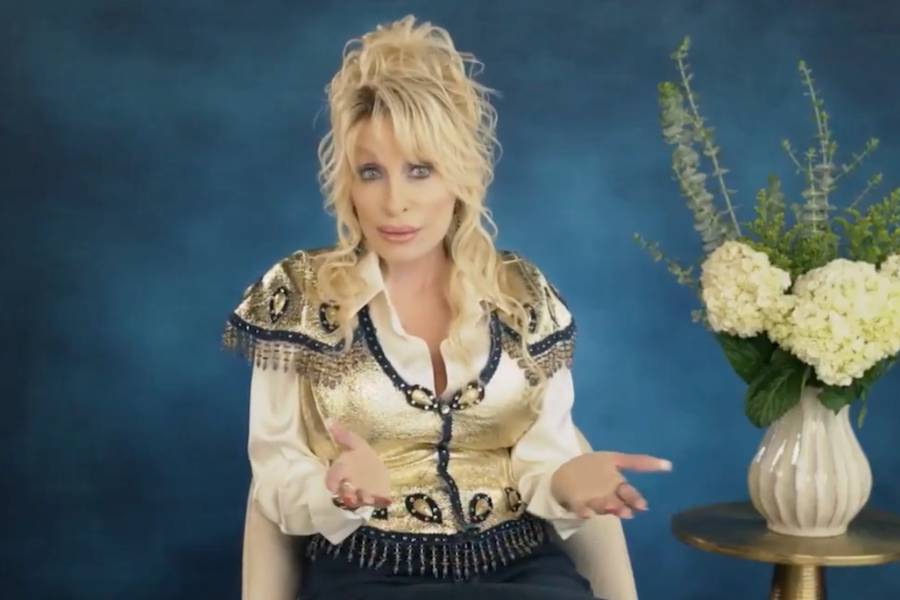
Dolly Parton had one final message for the music world — and it was delivered after her death.
The country music legend appeared on screen Wednesday night during the 2026 Americana Honors & Awards, where she was posthumously honored with the Americana Lifetime Achievement Award.
Parton died Aug. 25 at the age of 80 following what was described as a “brief battle with cancer.”
But before her death, Parton had recorded a video accepting the prestigious honor. When it played before the audience Wednesday night, fans were given one more chance to hear from the woman whose unmistakable voice, personality and songwriting helped define generations of American music.
And in classic Dolly fashion, she opened simply.
“Well, hey, it’s Dolly. I’m honored to be receiving a Lifetime Achievement Award from the Americana Music Association.”
Parton then looked back at where it all began — in Tennessee’s Smoky Mountains, surrounded by the roots music that would eventually help propel her from humble beginnings to worldwide fame.
“I mean, roots music, or what is now called Americana music, is what I grew up playing back in the Smoky Mountains,” Parton continued. “It’s that same music that drew me back to East Tennessee in 1997 to write and record my album, Hungry Again. And that project really opened the door to a series of bluegrass and acoustic albums that changed the course of my career in so many ways.”
Those projects brought Parton back to the acoustic sounds of her childhood while introducing her music to another generation of listeners.
Looking back, Parton recognized just how important that chapter had become.
“Now, new fans discovered these albums, new Americana music communities embraced them, and now looking back at it all, I see this era of my career as a musical renaissance of sorts,” Parton said. “I want to thank everyone at the AMA for recognizing me with this award. It’s a great honor truly, and just know that I will always love you.”
Those final words carried unmistakable weight.
“I will always love you” wasn’t merely a farewell. It was also a poignant reference to one of the most famous songs Parton ever wrote — turning the closing moments of her prerecorded acceptance into an especially emotional goodbye.
The tribute didn’t end there.
Dolly Parton posthumously accepts award in pre-recorded Lifetime Achievement speech 🤍 pic.twitter.com/dRzCHuzc0Q
— TMZ (@TMZ) September 17, 2026
Longtime friend and fellow country music icon Emmylou Harris took the stage to remember Parton’s extraordinary journey from a young Tennessee singer with enormous ambitions to one of the most recognizable entertainers in the world.
Harris recalled the pivotal moment in 1967 when Parton joined Porter Wagoner’s television program, an opportunity that helped introduce her to a national audience.
But Harris made clear that Parton was never destined to remain in someone else’s shadow.
“In 1967, Dolly got a good start on her big dream when she landed a gig as the girl singer with Porter Wagoner. Their duets were a hit on the show and on the charts, but Dolly was nobody’s sidekick. She wanted more and she deserved more, and she set out to get it always, always on her own terms,” Harris, 79, said. “And we all know what happened when Dolly set her sights on something.”
What happened was a career that exploded far beyond the boundaries of country music.
Parton became a crossover pop success, a movie star and an internationally recognized entertainer while maintaining the East Tennessee identity that remained central to her public image and music.
Her songwriting alone established an enormous legacy. But Harris reminded the audience that Parton’s talents went far beyond the songs she wrote.
“She was one of our all-time greatest songwriters, but she shined just as brightly on stage,” Harris shared. “She lit up the TV screen and then she, she lit up the movie screen.”
Then there was the personality.
Parton’s ability to move an audience with a song and, moments later, make that same audience laugh became one of the trademarks of her decades in the spotlight.
“Her stunningly beautiful, pure mountain voice could make us cry and then crack us up with a well-aimed, sometimes body joke,” Harris said. “There was nothing Dolly couldn’t do, and so she did it.”
The evening’s tribute ultimately returned to the music.
Brandi Carlile and I’m with Her performed Parton’s “Coat of Many Colors,” one of the songs most closely associated with her upbringing and remarkable journey from the Smoky Mountains to international superstardom.
Parton was honored alongside other recipients at Wednesday’s ceremony, including Led Zeppelin frontman Robert Plant.
But it was Parton’s own prerecorded words that provided one of the night’s most poignant moments.
A final appearance. A final thank-you.
And an ending that could hardly have been more fitting:
“Just know that I will always love you.”
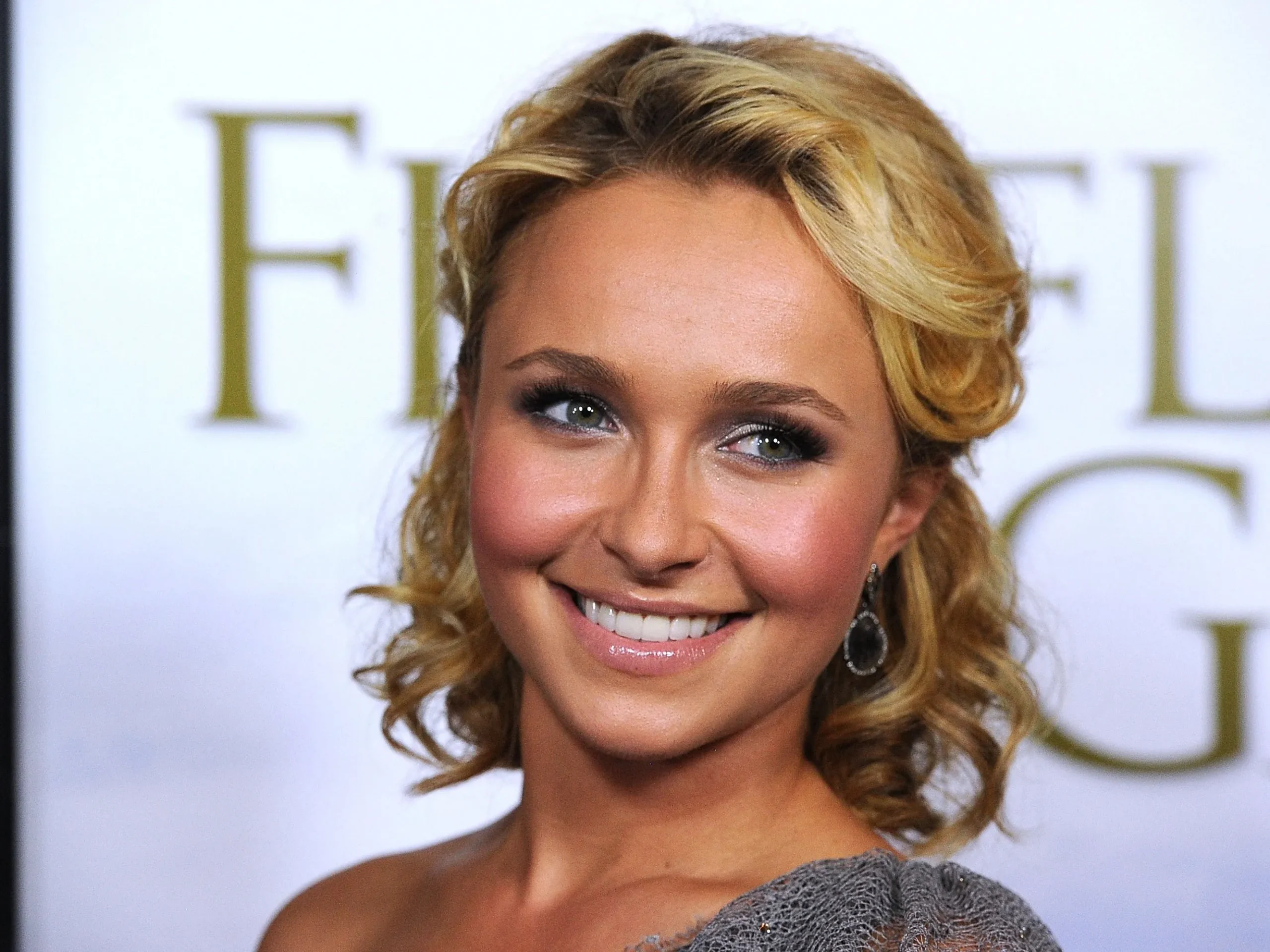
A stunning new development in the death of actress Hayden Panettiere is raising questions about whether a single pill may have been enough to end her life.
Investigators reportedly suspect the 36-year-old “Heroes” and “Nashville” star took what she believed was oxycodone — but that the pill may have been contaminated with the powerful synthetic opioid fentanyl.
Now authorities are reportedly focusing attention on the person suspected of supplying Panettiere with drugs before her death.
Multiple law enforcement sources told TMZ that Panettiere apparently met with her alleged longtime drug dealer in Los Angeles before traveling to South Carolina.
Just days later, she was dead.
Panettiere died Aug. 16 at a temporary residence in Greenville, South Carolina, only five days before what would have been her 37th birthday.
First responders discovered the actress unresponsive and in cardiac arrest. Efforts to revive her were unsuccessful.
Investigators reportedly believe Panettiere took a single pill on the morning she died. Sources suspect that pill was oxycodone contaminated with fentanyl, an extraordinarily potent synthetic opioid.
But one crucial question remains unanswered.
Panettiere’s official cause and manner of death have not yet been determined. Authorities are awaiting toxicology results, and an autopsy reportedly found no signs of trauma that contributed to her death.
The investigation has now expanded beyond the circumstances inside the South Carolina residence.
According to TMZ, authorities were “zeroing in on a potential drug dealer,” while Drug Enforcement Administration officials in both Los Angeles and South Carolina have reportedly become involved.
Panettiere’s on-again, off-again boyfriend, Brian Hickerson, was also staying at the South Carolina residence and had traveled there with her from Los Angeles.
Hickerson has reportedly met with DEA officials, but he has not been accused or charged in connection with Panettiere’s death.
Exactly what he told investigators remains unclear.
According to a police report, Hickerson previously showed authorities a “bag of medication” that Panettiere had with her.
The names of the medications were redacted from the report, although the document appeared to identify nine separate drugs.
The circumstances surrounding Panettiere’s death are especially heartbreaking in light of her years of remarkably candid disclosures about addiction.
The former child star had publicly discussed her struggles with drugs and alcohol, including in her memoir, “This Is Me: A Reckoning,” released just three months before her death.
Panettiere previously said she was only 15 years old when someone on her team began giving her what she described as “happy pills” ahead of red-carpet appearances.
“They were to make me peppy during interviews,” she told People magazine in 2022.
Looking back, Panettiere said she did not understand the consequences of what was happening at such a young age.
“I had no idea that this was not an appropriate thing, or what door that would open for me when it came to my addiction.”
As she grew older, she said the situation became increasingly difficult to control.
“But things kept getting out of control [off set],” she admitted.
“And as I got older, the drugs and alcohol became something I almost couldn’t live without.”
Panettiere also revealed that her problems with alcohol intensified while she struggled with postpartum depression following the 2014 birth of her daughter, Kaya, whom she shared with former heavyweight boxing champion Wladimir Klitschko.
Eventually, the physical consequences became impossible to ignore.
The actress was hospitalized with jaundice as her liver function deteriorated.
“Doctors told me my liver was going to give out,” she said.
The warning became even more dire.
“A doctor told me that if I didn’t stop drinking, I’d be dead within five years,” she revealed in her book.
Now, investigators are trying to determine exactly what happened during Panettiere’s final hours — and whether a pill she may have believed was oxycodone was actually contaminated with fentanyl.
Until toxicology testing is completed, that remains an investigative theory rather than an officially established cause of death.
But if investigators’ suspicions are confirmed, the actress’s death could have come down to a devastatingly small amount of a drug she may never have intended to take.
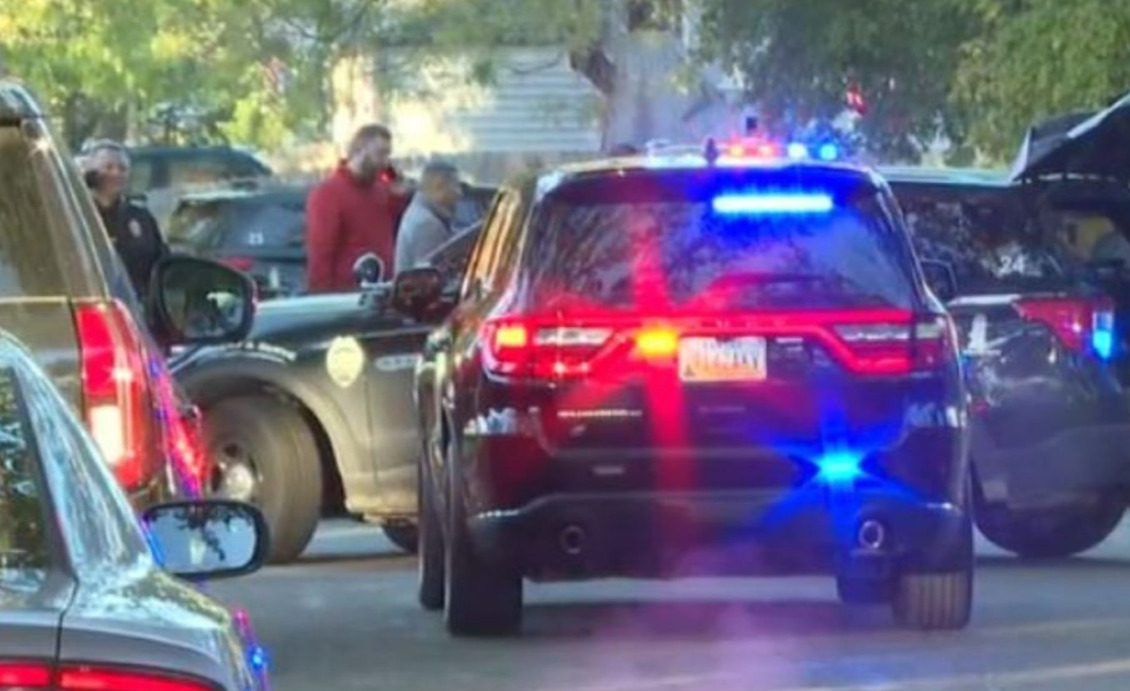
A former television news anchor is facing the possibility of spending decades behind bars after admitting to killing her own 80-year-old mother in a brutal stabbing inside their Kansas home.
Angelynn “Angie” Mock, 48, pleaded guilty to first-degree murder in the death of her mother, Anita Avers, bringing the disturbing case closer to its conclusion nearly a year after the deadly encounter.
Mock entered the plea before Sedgwick County District Judge Faith Johnson. She now faces a presumptive life sentence and would not become eligible for parole until she has served at least 25 years.
Her sentencing is scheduled for Oct. 5 at 11 a.m.
The horrifying chain of events unfolded shortly before 8 a.m. on Halloween 2025, when Wichita police were dispatched to a residence in the 1500 block of East Crowley following a report of a stabbing.
When officers arrived, they encountered Mock outside the home. She had blood on her body and injuries to her hands.
Inside the residence, police found Avers lying unresponsive in her bed after suffering multiple stab wounds. She was rushed to a hospital but could not be saved.
Investigators later reported discovering multiple kitchen knives and a cheese grater on a pillow near Avers. Blood was reportedly found on the objects, while investigators documented numerous holes in the bedding that were consistent with stabbing.
But the details Mock allegedly provided investigators afterward made the case even more chilling.
Ex-TV anchor Angelynn Mock admits to stabbing own mom to death on Halloween after believing she was the devil https://t.co/wXJGnSeKrZ pic.twitter.com/jt5dKEP0LC
— New York Post (@nypost) August 26, 2026
According to a probable cause affidavit, Mock gave authorities differing accounts of what had happened inside the home.
She reportedly claimed she entered her mother’s bedroom to talk about an upcoming job interview and discovered Avers sharpening knives.
Mock alleged that her mother then attacked her with a knife and said, “I know you’re f—ing Jesus Christ.”
Mock told investigators that she fought back, managed to obtain a knife and attempted to retreat while Avers continued moving toward her.
“I had to kill her, she wasn’t going to stop,” Mock told investigators, according to the affidavit.
Court records described additional statements that appeared to indicate Mock believed the woman she was fighting was not actually her mother, but the devil.
“I’d kill that b***h to have my mom back any day. I don’t even know who she is anymore. I know, I believe she’s the devil,” Mock allegedly said.
A neighbor also described a startling encounter outside the home as the violence came to an end.
Alyssa Castro said Mock approached the vehicle where Castro was sitting with her boyfriend while covered in blood and asked them to call 911.
“There was a woman who approached our vehicle with like blood, like her hands were filled, her body was filled with blood, asking to call 911,” Castro said.
“I asked her if she was OK, and she was pretty shaken up and she seemed scared, and she just ran off,” she added.
The criminal proceedings did not immediately move forward.
Questions surrounding Mock’s competency delayed the case for months. In January, a judge determined she was incompetent to stand trial and ordered her to undergo evaluation and treatment at Larned State Hospital.
That determination eventually changed.
By July, a Sedgwick County judge concluded that Mock had regained competency and was capable of proceeding with the criminal case.
The probable cause affidavit also revealed details about Mock’s reported mental-health history.
Her stepfather told investigators that Mock had previously been diagnosed with bipolar disorder before that diagnosis was later changed to schizoaffective disorder.
He also described previous episodes in which Mock allegedly claimed that people around her were “robots” and “not real people.” He reportedly discussed previous angry outbursts and psychiatric treatment as well.
Despite those incidents, Mock’s stepfather characterized her relationship with Avers as generally close, with what he described as ordinary tensions between a mother and daughter.
The background of both women adds another tragic dimension to the case.
Avers was a licensed clinical marriage and family therapist whose professional biography stated that she worked with adults dealing with depression, anxiety, trauma and mood disorders. She also treated couples and families struggling with relationship difficulties.
Mock, meanwhile, spent years working in television journalism.
She was a morning anchor at KTVI Fox 2 in St. Louis from 2011 until 2015 and previously worked as a sports reporter at KLKN in Lincoln, Nebraska.
Following an investigation by the Wichita Police Department’s homicide unit, the Sedgwick County District Attorney’s Office charged Mock with first-degree murder in November 2025.
Her decision to plead guilty means there will be no jury trial.
Instead, the case now moves directly to sentencing, where Mock is expected to receive a life sentence.
Under the presumptive punishment, the former television anchor would have to spend at least 25 years behind bars before she could even seek parole.

Warren Buffett Makes Shocking Announcement

Dolly Parton Delivers Stunning Video Message Weeks After Her Death

Get Ready — Mike Pence Makes Stunning 2028 Announcement

Trump Chief Of Staff Susie Wiles Shares Shocking Personal News

JD Vance Issues Stunning New Warning – Didn’t Expect This!

Removed From the Country — Ilhan Omar Hit With Horrid News

‘The Five’ Gets Emotional As Greg Gutfeld Announces Tragic News

‘EFFECTIVE IMMEDIATELY’ — Barack Obama Gets Devastating News

Everyday Americans Being Treated As Criminals — Including You, Right Now

Schumer Loses! Court Sides With Trump In Historic Move

HUGE: 9/11 Widow Goes Rogue, Makes Damning Call Out During Ground Zero Ceremony
Removed From the Country — Ilhan Omar Hit With Horrid News
-
 Economy5 months ago
Vance Leaves Meeting, Looks Straight Into Camera, Announces Stunning Arrest
-
 Economy5 months ago
Adam Schiff Facing 30 Years In Prison After Bank Records Leak
-

 Economy5 months ago
Supreme Curt Sides With Trump — He Can Remove The All
-
 Culture3 months ago
Michelle Obama Drops Nasty Bomb About ‘Useless’ Daughter
-
 Economy5 months ago
All Hell Breaks Loose On Fox When Jesse Watters Asks Fetterman One Question
-

 Economy3 months ago
Prayers Pour In After Fox Host Dies: ‘Senseless Murder’
-

 Latest3 months ago
Fox News Stuns With Announcement About 5 Fired Hosts
-

 Economy5 months ago
NBC Stops LIVE Broadcast — Breaks Big Trump News