
Latest
Caitlin Clark’s turnover problem could be a defining factor in her legendary WNBA career

Few athletes in sports history have entered the professional ranks with more hype and intrigue than Caitlin Clark. She’s a bonafide superstar — a transcendent sports figure on and off the court. The former Iowa Hawkeyes star shattered scoring records in college, transformed women’s basketball into a national phenomenon and has continued rewriting the WNBA record book since arriving in 2024. Yet amid the highlights, logo threes, and jaw-dropping assists, one statistic continues to follow Clark everywhere she goes: turnovers.
When the Indiana Fever fell to the Golden State Valkyries on Thursday night, Clark had two awful turnovers in crunch time, and led her team in that category with five, while simultaneously leading the team in scoring. It was another clear example of one of her game’s major flaws.
ZERO BS. JUST DAKICH. TAKE THE DON’T @ ME PODCAST ON THE ROAD. DOWNLOAD NOW!
Clark’s brilliance as a playmaker is undeniable. She’s must-watch TV in a league full of missed lay-ups. As a rookie, she led the WNBA in assists, set the league’s single-season assists record with 337 (breaking the previous rookie mark of 224), and became the first rookie in league history to record multiple triple-doubles. She recently became the fastest player in WNBA history to reach both 1,000 career points and 500 career assists, reaching the 500-assist milestone in just 59 games and shattering the previous record held by Sue Bird (82 games). She’s doing the unthinkable almost on a nightly basis. That’s the reality, and it’s why her games are routinely moved to NBA arenas to meet demand, why she has outsold LeBron James in jersey sales, and why the WNBA is experiencing unprecedented growth in revenue, viewership, and overall interest.
However, Clark’s historic production has come with historic turnover numbers. During her rookie season in 2024, she committed 223 turnovers, the most ever recorded by a player in a single WNBA season. The previous record was 137. Clark not only broke the record — she obliterated it.
The issue isn’t entirely new, though. At Iowa, Clark often operated as both her team’s primary scorer and primary facilitator, routinely attempting difficult passes that few players would even consider. The same aggressive style that made her a generational talent also led to elevated turnover totals throughout her college career. When she entered the WNBA, facing quicker, more well-rounded defenders and superior, complex defensive schemes, those mistakes became even more noticeable. To her credit, and if you watch any of her games, you’ll notice many dropped passes from teammates, which, unfortunately, contribute to her inflated turnover numbers, though they are not necessarily her fault. That was extremely evident in her rookie season, adding much frustration for Clark.
Many analysts have come to Clark’s defense over the last three seasons. They argue those turnovers are the price of greatness for elite creators. Players such as Sue Bird, Diana Taurasi, Alyssa Thomas, LeBron James and Luka Dončić have all posted high turnover numbers because they control so much of their team’s offense. Broadcasters and analysts have repeatedly pointed out that Clark generates far more scoring opportunities than she gives away. In many games, her assists and offensive prowess create positives that can arguably offset her mistakes.
ANGEL REESE MOCKED FOR TURNOVER SPREE IN SAME GAME WHERE SHE MAKES WNBA HISTORY
What makes Clark’s turnover numbers particularly fascinating is that they exist alongside some of the strongest impact metrics in the league. Through the early part of the 2026 season, the Fever have outscored opponents by 32 points with Clark on the floor, and her influence extends far beyond her own scoring. Her assist rates have consistently been among the highest in the league, approaching 50% of teammates’ baskets while she is on the court in recent seasons. She also remains one of the WNBA’s premier offensive engines, generating a significant portion of Indiana’s offense through her elite passing, floor spacing, and ability to create open shots for teammates. Her shooting range forces defenses to extend well beyond the arc, creating opportunities throughout the floor.
Those accomplishments help explain why many analysts view her turnovers as a byproduct of her extraordinary workload rather than evidence of inefficient play. The challenge moving forward is finding the balance between maintaining her aggressive, game-changing style and reducing the mistakes that can swing close games, such as the Valkyries loss I mentioned earlier.
Still, I believe there is a legitimate, long-term concern with her inability to take care of the basketball. Turnovers are often forgiven when a player is young, especially one carrying such a massive workload and spotlight. But as careers progress, efficiency becomes a larger part of the conversation. If Clark continues to lead the league in turnovers year after year, critics could eventually point to ball security as the primary weakness in an otherwise Hall of Fame resume.
Today, Clark remains among the league leaders in turnovers per game while simultaneously ranking among the WNBA’s best playmakers. Clark is currently leading the league in turnovers, averaging 5.2 turnovers per game, while Angel Reese is second with 4.8. The question isn’t whether she can continue producing assists and points at an elite level. She’s already proven that. The question is whether she can trim the risky passes and unforced errors enough to maximize her impact.
If she does, Clark’s legacy may be remembered as that of one of the greatest offensive players the sport has ever seen. If she doesn’t, the turnover discussion could remain the lone blemish attached to an otherwise historic career.


Texas Democratic Governor-elect Gina Hinojosa has announced plans to reverse Republican Governor Greg Abbott’s designation of the Council on American-Islamic Relations (CAIR) as a terrorist organization, signaling a significant change in the state’s approach to organizations accused of extremist connections.
During an interview with The Washington Post, Hinojosa indicated that she intends to rescind the designation imposed by Abbott in November 2025, when the Republican governor cited national security concerns and evidence from previous federal terrorism investigations.
Abbott’s November 18 proclamation designated both CAIR and the Muslim Brotherhood as foreign terrorist organizations under Texas criminal law. The governor also classified the organizations as transnational criminal organizations under state property laws, imposing restrictions on certain real estate acquisitions.
The designations formed part of Abbott’s broader effort to strengthen state security measures and restrict the activities of organizations his administration identified as potential threats.
Hinojosa’s proposed reversal would represent a departure from those policies, although the incoming governor would face legal limitations on how extensively she could undo the existing framework.
Rescinding Abbott’s executive designation would not automatically repeal the state statutes governing terrorism, transnational criminal organizations or restricted property acquisitions.
Hinojosa has also not publicly clarified whether she intends to reverse the separate designation of the Muslim Brotherhood.
Abbott cited the federal Holy Land Foundation terrorism financing case as a central justification for his original proclamation.
Federal authorities designated the Richardson, Texas-based Holy Land Foundation as a terrorist organization in December 2001 and subsequently froze its assets.
In November 2008, a federal jury convicted the foundation and five of its leaders of providing material support to Hamas, a federally designated terrorist organization.
According to Justice Department records, the defendants provided approximately $12.4 million in financial assistance to Hamas.
Among those convicted was Ghassan Elashi, whom Abbott identified in his proclamation as a founding board member of CAIR’s Texas branch.
In May 2009, U.S. District Judge Jorge Solis sentenced Elashi to 65 years in federal prison.
During the Holy Land Foundation proceedings, federal prosecutors also identified CAIR as an unindicted co-conspirator in 2007.
A subsequent judicial order concluded that there was “ample evidence” connecting CAIR historically to several organizations examined during the federal prosecution.
However, CAIR was never criminally charged in the Holy Land Foundation case and has consistently denied allegations that it supports terrorism.
Following Abbott’s proclamation, CAIR challenged the designation in federal court, arguing that the governor’s actions violated constitutional protections and Texas law.
The legal dispute expanded in February 2026 when Republican Attorney General Ken Paxton filed a separate lawsuit targeting CAIR, its Texas chapters and the Muslim Brotherhood.
Paxton sought to prohibit the organizations from operating within Texas, citing state laws addressing terrorism, transnational criminal organizations, property ownership and public nuisances.
Those statutes would remain in effect regardless of whether Hinojosa rescinds Abbott’s executive proclamation, unless the Texas Legislature repeals them or courts determine that they cannot legally be enforced.
As a result, the incoming governor’s proposed action would not necessarily end Paxton’s litigation or invalidate findings previously entered in federal court.
Texas law also establishes procedural requirements for removing organizations from certain classifications restricting property acquisitions.
Before removing applicable designations, the governor must consult with the director of the Texas Department of Public Safety and the state Homeland Security Council.
Changes to those restrictions would generally govern future property transactions rather than automatically resolve disputes involving earlier acquisitions.
Hinojosa has presented her approach as one focused on ensuring that public safety authorities are used for their intended purposes.
“We have to use public safety measures for public safety,” Hinojosa told The Washington Post.
Her position contrasts with Abbott’s approach, which emphasized the use of state authority to restrict organizations his administration associated with potential national security threats.
The disagreement is likely to continue through the courts and Texas Legislature, where Republican officials retain avenues to defend the existing statutory framework and challenge changes made by the incoming administration.
Federal terrorism designations also remain outside the unilateral authority of any Texas governor.
Earlier in 2026, President Donald Trump’s administration designated several international branches of the Muslim Brotherhood under federal terrorism authorities.
Those federal actions did not include CAIR, and Hinojosa would have no authority to reverse separate designations imposed by the federal government.
Consequently, even if Hinojosa follows through on her pledge, the legal consequences would depend on the scope of her executive actions, existing Texas statutes and the outcome of pending litigation.
The proposed reversal sets up a dispute over the limits of executive authority, the enforcement of state security laws and the treatment of organizations that have faced allegations of extremist associations but have not themselves been convicted of terrorism-related offenses.
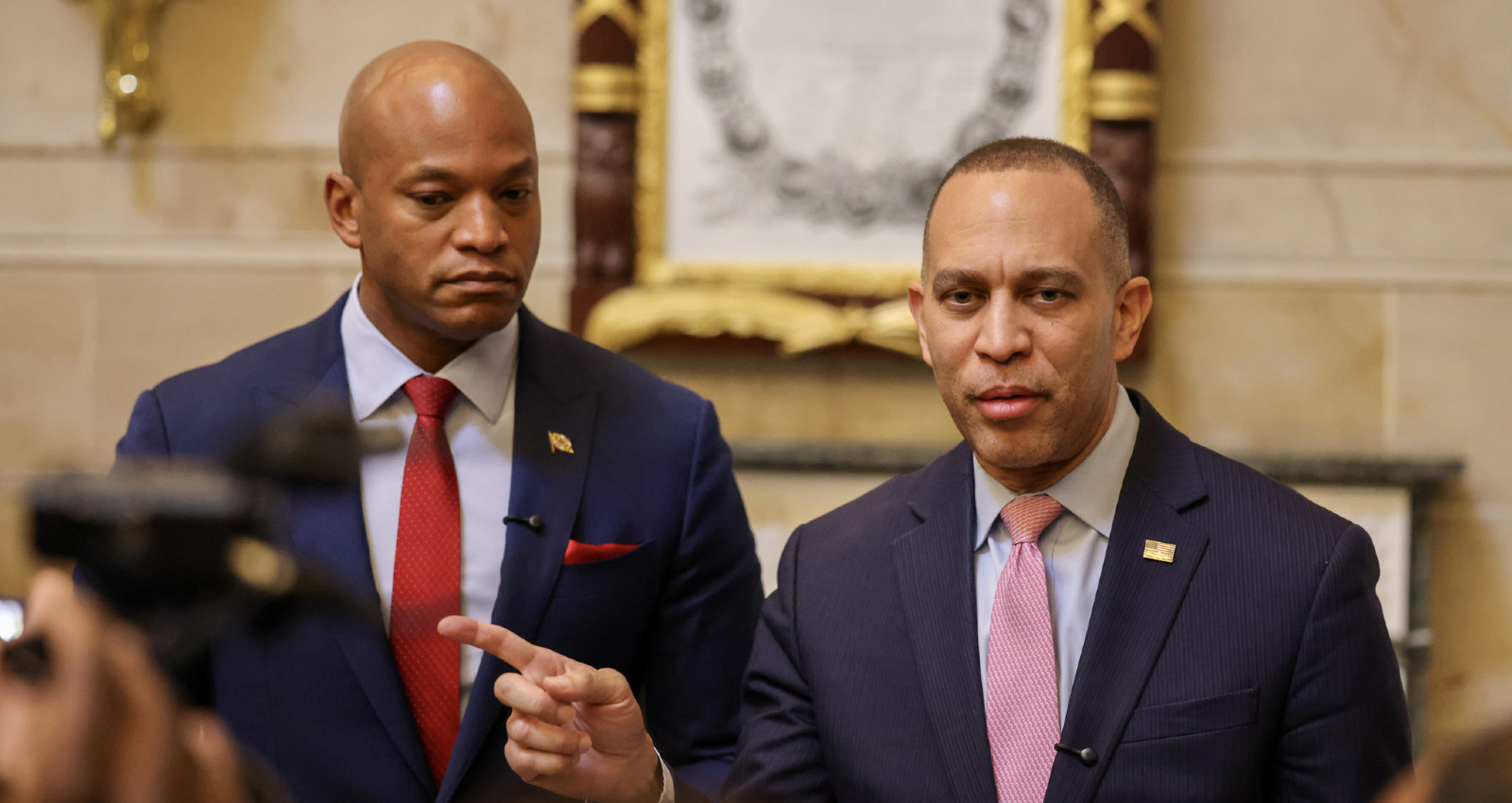
Montgomery County, Maryland, has approved two new measures expanding protections for undocumented immigrants, including legislation allowing certain tenants detained or deported by federal immigration authorities to terminate their leases early.
The Democratic-led County Council approved the measures as local officials continue to challenge aspects of President Donald Trump’s expanded immigration enforcement policies.
One of the newly approved measures amends county housing laws to prohibit landlords, property sellers and lenders from considering an individual’s immigration status when making housing-related decisions.
The legislation also establishes additional protections for tenants affected by federal immigration enforcement.
Under the new rules, residential tenants who are deported, detained or held in federal immigration custody for more than 30 days may terminate their rental agreements before the scheduled expiration date.
Tenants generally must provide landlords with 30 days’ notice before ending their leases.
“This has been an issue for quite a while,” Councilmember Kristin Mink said. “This is not a new issue. I think it’s important for folks to know that we are cleaning up something that has impacted folks for a while.”
Supporters argue that tenants and their families should not remain financially responsible for lengthy rental agreements when federal immigration enforcement prevents them from occupying their homes.
The legislation expands Montgomery County’s existing housing discrimination protections, which already prohibit discrimination based on characteristics such as race, religion and national origin.
By adding immigration status as a protected category, the county is extending those restrictions to additional aspects of private housing transactions.
The council also approved separate legislation limiting cooperation between county government agencies and federal immigration authorities.
That measure restricts when county employees may disclose certain personal information to federal immigration officials and establishes additional requirements governing access to county-operated facilities.
Supporters maintain that the restrictions are necessary to preserve trust between immigrant communities and local government institutions.
Montgomery County, one of Maryland’s most populous jurisdictions, has a substantial foreign-born population and has maintained policies limiting certain forms of cooperation with federal immigration enforcement for years.
The latest legislation comes amid an ongoing national dispute over the responsibilities of local governments when federal authorities seek to identify, detain and deport individuals who are unlawfully present in the United States.
Since returning to the White House, Trump has prioritized expanded deportations and increased enforcement operations by Immigration and Customs Enforcement and other federal agencies.
His administration has also challenged policies adopted by jurisdictions commonly described as sanctuary cities or counties, particularly those restricting cooperation between local authorities and ICE.
Federal officials and supporters of expanded immigration enforcement argue that cooperation from local governments is essential, especially when immigration authorities seek custody of individuals accused or convicted of criminal offenses.
Montgomery County officials have taken a different position, arguing that extensive cooperation with federal immigration enforcement can discourage immigrants from reporting crimes, accessing government services or communicating with local police.
The newly approved measures do not prevent federal immigration officers from independently enforcing federal law within Montgomery County.
Immigration enforcement remains primarily a federal responsibility, and county legislation cannot prohibit ICE agents from conducting arrests or other lawful federal operations.
Instead, the measures regulate how county agencies and private entities operating under local housing laws interact with immigrants and federal immigration authorities.
The housing legislation could have particularly significant implications for property owners and landlords.
Under the approved provisions, qualifying tenants who are deported or held in federal immigration detention for more than 30 days may terminate their leases without remaining responsible for the entire original rental term.
For landlords, the change creates an additional circumstance under which a tenant may legally end a rental agreement before its expiration.
The legislation also prohibits immigration status from being used as a basis for certain housing decisions, extending county-level legal protections to individuals regardless of their immigration classification.
The measures arrive as Maryland officials and the Trump administration continue to disagree over immigration enforcement responsibilities and the extent to which local governments should assist federal agencies.
Federal authorities have maintained that restrictions on cooperation can complicate efforts to locate and remove individuals subject to deportation, including those with criminal records.
Immigrant-rights advocates counter that local police departments and government agencies should not be required to serve as extensions of federal immigration enforcement.
Montgomery County has long pursued policies intended to separate many local government functions from federal immigration operations.
The newly approved legislation further establishes that approach by placing additional restrictions on county cooperation while expanding legal protections in the private housing market.
With both measures approved, Montgomery County is reinforcing its existing immigration policies at a time when the Trump administration is pursuing broader federal enforcement efforts.
The changes also establish new obligations for landlords and county agencies, ensuring that the effects of the legislation will extend beyond immigration enforcement itself and into local housing practices and government operations.
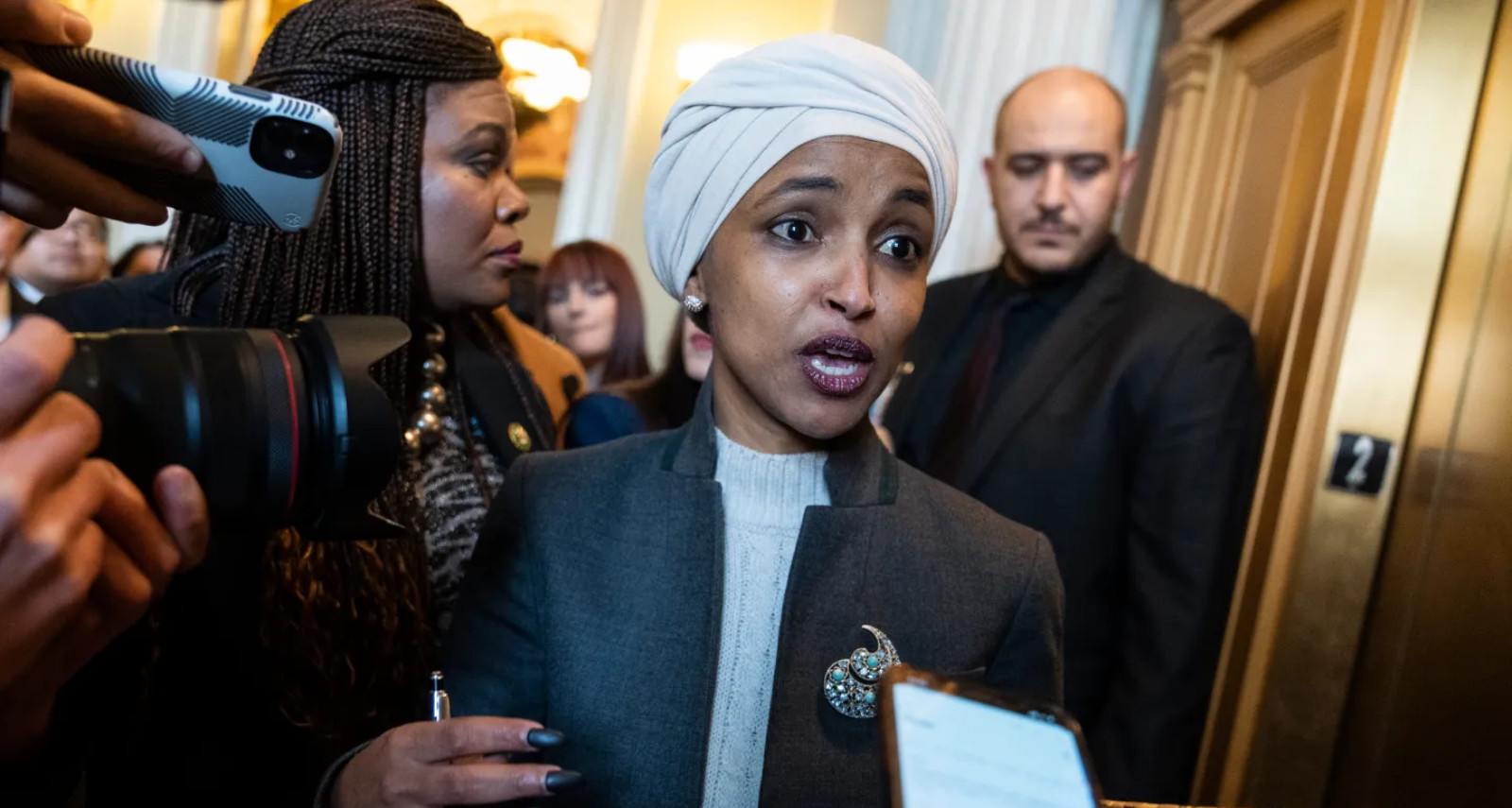
A previously undisclosed federal investigation into Democratic Rep. Ilhan Omar has come to light, revealing that prosecutors once examined allegations of immigration fraud involving the Minnesota congresswoman before closing the case because the statute of limitations had expired.**
The investigation was conducted by the U.S. Attorney’s Office for Minnesota during President Donald Trump’s first administration, according to three individuals familiar with the matter who spoke with the Minnesota Star Tribune.
Federal prosecutors ultimately decided against pursuing criminal charges after determining that the legal deadline for bringing a case had passed.
The disclosure comes as federal authorities in Washington have reportedly renewed their examination of Omar’s immigration history and financial affairs, opening another chapter in the longstanding scrutiny surrounding the Democratic lawmaker.
Unlike the earlier investigation, the current inquiry is reportedly being handled by prosecutors outside Minnesota, without the involvement of the U.S. Attorney’s Office in Omar’s home state.
According to the Star Tribune, federal investigators examined allegations involving Omar’s immigration history during Trump’s first presidency.
However, prosecutors concluded that the statute of limitations prevented them from moving forward with criminal charges.
The investigation was subsequently closed without an indictment.
The newly disclosed inquiry adds to reports that Omar has drawn federal investigative attention at various points during the Obama, Trump and Biden administrations.
Questions surrounding the congresswoman’s marriage history, citizenship and financial dealings have generated controversy for years, although those allegations have not resulted in criminal charges against her.
The earlier investigation’s closure also raises questions about whether federal prosecutors in Washington are examining different allegations, pursuing newly discovered evidence or reconsidering matters previously reviewed by investigators in Minnesota.
Authorities have not publicly explained what prompted the latest investigation or how they intend to address the legal limitations that prevented the earlier case from proceeding.
The renewed scrutiny follows reports that federal authorities searched Omar’s Washington residence on October 12.
The search warrant and supporting documents have not been publicly released, leaving the specific allegations behind the current investigation unclear.
Federal officials have also declined to publicly identify the evidence being examined or explain whether the latest inquiry directly relates to the earlier immigration fraud allegations.
The reported search represents a significant development in the ongoing examination of the congresswoman’s personal and financial history.
Nevertheless, the existence of an investigation does not establish criminal wrongdoing, and authorities have not announced charges against Omar.
Omar’s office has strongly criticized the renewed federal scrutiny, accusing the Trump administration of using the Justice Department to target a political opponent.
A spokesperson for the congresswoman rejected the legitimacy of the investigation.
“This is not legitimate law enforcement,” a spokesperson said. “It is an abusive fishing expedition driven by the president’s political vendettas.”
The response reflects the increasingly contentious dispute surrounding the investigation, with Omar’s representatives characterizing the federal inquiry as politically motivated.
The Justice Department has not publicly released sufficient information about the current investigation to establish its precise scope or the allegations under examination.
The Minnesota Star Tribune reported that several individuals familiar with the investigations spoke on the condition of anonymity because they were not authorized to discuss the cases publicly.
Those sources provided details about the earlier federal inquiry and the decision to close it after the statute of limitations expired.
However, individuals familiar with the previous investigations did not provide the newspaper with evidence establishing that Omar committed immigration fraud.
Omar, who was elected to a fifth congressional term earlier this month, has not been charged with a crime.
The latest investigation remains ongoing, according to the report, with prosecutors in Washington now examining matters involving the congresswoman.
For the moment, the central questions remain unresolved: What prompted federal authorities to revisit Omar’s history, what evidence are investigators reviewing, and can prosecutors pursue any allegations that may have been legally time-barred in the earlier case?
Until additional court documents or official findings become public, the full scope of the federal investigation remains unknown.

Texas’ New Dem Governor Makes Horrifying Muslim Announcement

BANNED! Democrats’ First Act Should Terrify Every American

Game-Changing New Detail Emerges From Ilhan Omar Investigation

Massive Migrant Caravan Converges On U.S. For Democrat Midterm Victory

JUST IN: Pair Of Senior FBI Officials Arrested — It’s Damning

Pentagon Rolls Controversial Out Doomsday Strategy
Massive Migrant Caravan Converges On U.S. For Democrat Midterm Victory

Ilhan Omar’s Husband Goes Public With Announcement — She’s Devastated

Ilhan Omar FOUND — Shocked Where Caught After Sudden Disappearance
JUST IN: Pair Of Senior FBI Officials Arrested — It’s Damning

Powerful Dem Senator Arrested 12 Days Before Midterms

Ilhan Omar Gives Jaw-Dropping Answer When Asked If She Married Her Brother
-
 Economy7 months ago
Vance Leaves Meeting, Looks Straight Into Camera, Announces Stunning Arrest
-
 Economy7 months ago
Adam Schiff Facing 30 Years In Prison After Bank Records Leak
-
 Culture5 months ago
Michelle Obama Drops Nasty Bomb About ‘Useless’ Daughter
-
 Economy7 months ago
Supreme Curt Sides With Trump — He Can Remove The All
-

 Economy7 months ago
All Hell Breaks Loose On Fox When Jesse Watters Asks Fetterman One Question
-
 Economy5 months ago
Prayers Pour In After Fox Host Dies: ‘Senseless Murder’
-

 Economy5 months ago
Pete Hegseth Just Confirmed Devastating Rumors
-

 Border & Security4 months ago
Top Trump Admin And Wife Found Dead — Chilling Update Just Released