
Latest
AI helped researchers bypass Apple M5 defenses

Apple devices have earned a reputation for being tough to break into. That comes from Apple’s tight control over the hardware, software and many of the protections standing between you and an attacker. However, a new claim from security startup Calif shows how quickly the cybersecurity world may be changing.
Calif says a small team of researchers used a preview version of Anthropic’s Claude Mythos to help build a working macOS kernel exploit against Apple’s new M5 chip protections in less than a week. A kernel exploit targets the core part of an operating system, which controls how your device runs and what apps can access.
The company says the exploit survived Apple’s Memory Integrity Enforcement, or MIE, a security feature designed to make memory-based attacks much harder on newer chips. The bigger concern is speed. Artificial intelligence may help skilled researchers find serious software flaws faster than ever before, which means scammers and cybercriminals could eventually use similar tools to find weak spots before companies have time to patch them.
CHINESE HACKERS TURNED AI TOOLS INTO AN AUTOMATED ATTACK MACHINE
Your phone holds your email, passwords, photos, banking apps and personal data. In this free, live online class, Kurt the CyberGuy will walk you step by step through simple phone security fixes you can do in real time. You’ll learn how to improve your privacy settings, spot the latest phone scams, use trusted security tools and walk away with a simple checklist to stay protected. Register here: CyberGuyLive.com.
Calif says its researchers built what it describes as the first public macOS kernel memory corruption exploit on M5 silicon with MIE enabled. The company says the attack targets macOS 26.4.1 on Apple M5 hardware.
It begins with a regular local user account and ends with root access. Root access gives someone the highest level of control on a Mac. That could let an attacker change system settings, reach sensitive files or run commands with powerful permissions.
That sounds alarming, but it needs context. Calif described this as a local privilege escalation chain. In everyday terms, an attacker would already need some way to get code running on the Mac first. This type of attack would more likely follow another step, such as a malicious download or compromised installer. Once bad code gets that first foothold, a privilege escalation bug can help it dig much deeper.
SHAMOS MALWARE TRICKS MAC USERS WITH FAKE FIXES
Memory corruption bugs have been a favorite target for attackers for years. These flaws can let attackers crash software, steal data or take over parts of a system.
Apple’s Memory Integrity Enforcement was designed to make that type of attack far more difficult. Apple says MIE uses hardware-assisted memory safety protections on A19 and M5 processors or later. In simpler terms, MIE helps the chip and operating system check whether software touches memory in suspicious ways. That makes many older attack tricks harder to pull off.
That is why Calif’s claim warrants attention. The researchers say they found a way around those protections with help from Mythos Preview. That suggests AI could speed up the hunt for flaws, even in systems with advanced built-in defenses.
AI CYBERSECURITY RISKS AND DEEPFAKE SCAMS ON THE RISE
Calif says Mythos Preview helped identify the bugs and assisted throughout exploit development. The company also made clear that human expertise still mattered.
According to Calif, Mythos found the bugs quickly because they belonged to known bug classes. However, bypassing Apple’s new protection required experienced researchers.
Think of it this way: AI helped point the researchers toward weak spots. People still had to understand how to turn those findings into a working exploit. That makes the story more concerning because AI may help skilled teams move much faster.
FORMER GOOGLE CEO WARNS AI SYSTEMS CAN BE HACKED TO BECOME EXTREMELY DANGEROUS WEAPONS
Mozilla has already seen similar potential. The organization said an early version of Claude Mythos Preview helped identify 271 vulnerabilities fixed in Firefox 150. Mozilla said those findings came during an evaluation of the model’s ability to help with security work.
So the bigger story goes beyond Apple. Advanced AI tools may give security researchers more speed. Those same tools could eventually help attackers search for software flaws faster, too.
Most people do not think about kernel exploits when they open up their laptops. They think about email, work and family photos. That is exactly why this story hits closer to home than it may seem.
If researchers can find high-impact bugs faster with AI, attackers may eventually try to do the same. The unsettling part is the speed. A flaw that once took months to discover might surface much sooner when AI helps scan code and suggest attack paths.
Calif called its work “a glimpse of what is coming.” That may sound dramatic, but the warning is easy to understand. Cybersecurity teams may need AI to defend systems as quickly as attackers use AI to search for weak spots.
MAC MALWARE MAYHEM AS 100 MILLION APPLE USERS AT RISK OF HAVING PERSONAL DATA STOLEN
This does not mean your Mac has suddenly become unsafe. Apple’s security model remains one of the strongest in consumer tech. It also does not mean MIE failed as a protection. No security feature blocks every attack forever.
DON’T IGNORE APPLE’S URGENT SECURITY UPDATE
However, updates now matter more than ever. Calif says it shared its findings with Apple and plans to release full technical details after Apple ships a fix. That is how responsible disclosure should work. Researchers report the issue first, the company investigates it, and users get a patch before attackers get a roadmap.
We reached out to Apple for comment, but did not hear back before our deadline.
That brings us to this: what you can do now to lower your risk.
10 SIMPLE CYBERSECURITY RESOLUTIONS FOR A SAFER 2026
You do not need to become a cybersecurity expert to lower your risk. A few smart habits can make it much harder for attackers to get the access they need.
Start with software updates. On your Mac, go to Apple menu > System Settings > General > Software Update. Install any available macOS updates. Also, turn on automatic updates where possible. This helps your Mac get important security fixes without waiting for you to remember.
Be careful with apps from links, pop-ups or unfamiliar websites. If an attacker needs code running on your Mac first, a fake app can become the front door. Download apps from the Mac App Store or directly from trusted developers. Also, pause before opening installers sent through email or social media links. Strong antivirus software can add another layer of protection by helping detect malicious downloads, suspicious links and scam websites before they put your Mac at risk. Get my picks for the best 2026 antivirus protection winners for your Windows, Mac, Android and iOS devices at CyberGuy.com.
Review which apps have access to sensitive parts of your Mac. Go to Apple menu > System Settings > Privacy & Security and check permissions for areas such as Accessibility, Camera, Microphone and Screen Recording. Remove access for apps you do not recognize or no longer use. These permissions can give apps powerful reach across your device.
Turn on two-factor authentication (2FA) for your Apple Account. This adds another layer of protection if someone steals or guesses your password. Also, use a strong, unique password. Do not reuse the same password you use for email or banking. A password manager can help create and store unique passwords for each account, so you do not have to remember them all yourself. Check out the best expert-reviewed password managers of 2026 at CyberGuy.com.
Your browser is one of the most common places where attacks begin. Keep Safari, Chrome, Firefox or any other browser updated. Then, review your browser extensions. Remove anything you do not use or do not recognize. A shady extension can track your activity, inject ads or collect sensitive data.
Safari: Open Safari > Settings > Extensions. Uncheck any extension you do not recognize or select it and click Uninstall. Safari extensions update automatically with their apps.
Chrome: Open Chrome > three dots > Help > About Google Chrome to check for updates. To review extensions, go to Chrome > three dots > Extensions > Manage Extensions. Remove anything suspicious or unnecessary.
Firefox: Open Firefox > Firefox menu > About Firefox to check for updates. To review add-ons, go to Firefox > Add-ons and themes > Extensions. Remove anything you do not recognize. Firefox recommends keeping add-ons set to update automatically.
Scammers love fake pop-ups that claim your Mac has a virus. These alerts often push you to download software or call a fake support number. Do not click the warning or call the number on the screen. Close the tab or quit the browser. If you feel unsure, restart your Mac and check for updates through System Settings.
Use Time Machine or another trusted backup method. A recent backup can help you recover if malware damages files or locks you out. Keep at least one backup separate from your Mac. That way, a device problem does not take your backup down with it.
Many people leave their Macs running for weeks. A restart can help clear temporary processes and apply pending updates. A restart will not solve every security problem, but it can help your Mac finish updates and clear out processes that no longer need to run.
FBI WARNS OVER 1 MILLION ANDROID DEVICES HIJACKED BY MALWARE
Apple built serious protections into its newest chips, and that still matters. But Calif’s claim shows that even the strongest consumer security systems now face a new kind of pressure. AI is starting to change the speed of vulnerability research. For you, the lesson is this. Keep your Mac updated. Be careful what you install. Review the apps that have deep access to your system. The age of “set it and forget it” security is fading fast. Your device may be smart, but the tools looking for its weak spots are getting smarter too.
If AI can help a small team challenge Apple’s newest defenses in days, should companies be required to disclose how they are using AI to find and fix security flaws before attackers do? Let us know by writing to us at CyberGuy.com.
Sign up for my FREE CyberGuy Report
Copyright 2026 CyberGuy.com. All rights reserved.
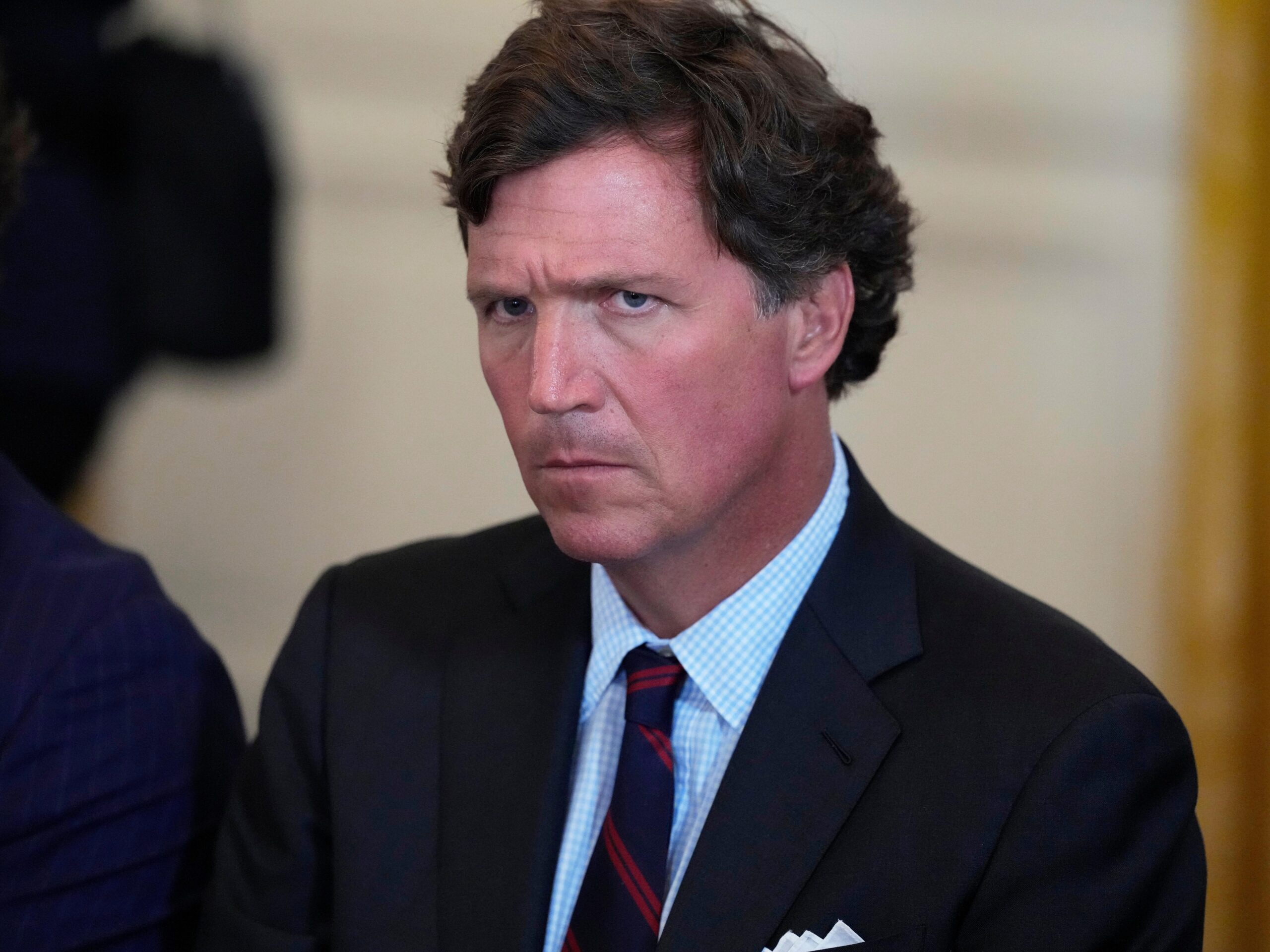
A growing divide within the conservative movement is becoming increasingly difficult to ignore, as longtime commentator Tucker Carlson declared that he no longer considers himself a Republican, citing frustration with what he sees as the party’s abandonment of its America First roots.
Carlson made the remarks during a podcast appearance with hosts Travis Dhanraj and Karman Wong, where the discussion turned to the political landscape ahead of the upcoming midterm elections and whether voters remain satisfied with the direction of the Republican Party.
While Carlson made clear that he remains aligned with many conservative principles, he argued that some Republican leaders have drifted away from the priorities that helped fuel President Donald Trump’s rise and transformed the GOP into the dominant force it is today.

“I’m out,” Carlson said during the interview.
“And if I’m out, then I think a lot of other people are out.”
Carlson’s comments came as he discussed polling data and voter sentiment ahead of the next election cycle.
“I would not support the Republican party. There’s no chance I would support the Republican party,” he said.
The former Fox News host argued that certain Republican lawmakers had betrayed their voters by supporting policies he believes put foreign interests ahead of American priorities.
“How could I or any American voter support a political party that’s not loyal to the United States? That puts the interests of a foreign country above those of its own citizens?
“It’s not possible to vote for people like that, and I’m not going to.”
Carlson’s remarks highlight a growing debate inside conservative circles over the future direction of the Republican Party.
At the center of the disagreement is not President Trump himself, but rather how some Republicans have approached foreign policy, military intervention, and America’s role overseas.
Trump built his political movement on the promise of putting American interests first, securing the border, rebuilding the economy, restoring energy independence, and avoiding the endless foreign conflicts that frustrated many voters for decades.
Many of Trump’s supporters continue to view the America First agenda as one of the defining achievements of his political movement.
Carlson suggested that some Republicans have lost sight of those principles.
“I think I’ve voted Republican my entire life,” Carlson said.
“I’ve been a consistent defender for 35 years, of the Republican party. I mean, a very consistent defender.”
“But there’s no defending this because it’s immoral and it’s exactly the opposite of what a political party in a democracy is charged with doing — which is representing its own voters, its own citizens, its own nation.”
“And they’re not doing that,” Carlson concluded.
The comments come amid an ongoing debate among conservatives regarding foreign policy, particularly following recent tensions involving Iran and the broader Middle East.
Carlson has been one of the most vocal advocates of a non-interventionist approach that emphasizes American interests above foreign entanglements. Other conservatives, including commentators and lawmakers aligned with a more traditional hawkish worldview, have argued that a strong American presence abroad remains necessary to protect national security.
The disagreement intensified after military operations involving Iran earlier this year, with Carlson and several other prominent voices warning against policies they believe could lead to deeper involvement in overseas conflicts.
Despite those disagreements, Carlson has generally continued to support many of Trump’s domestic policies, including border security, immigration enforcement, energy production, and efforts to prioritize American workers and taxpayers.
The broader divide illustrates the ongoing evolution of the Republican Party under Trump’s influence.
For decades, the GOP was largely defined by traditional establishment conservatives who favored aggressive foreign policy and intervention abroad. Trump’s rise fundamentally reshaped that coalition, bringing millions of working-class voters, independents, and populist conservatives into the party.
Today, debates like the one Carlson has raised reflect a larger question facing Republicans: how closely the party will adhere to the America First principles that helped fuel Trump’s political success.
Whether Carlson ultimately returns to the Republican fold remains to be seen. But his comments underscore a reality that many political observers have noted in recent years: the future of the conservative movement is increasingly being shaped by debates over foreign policy, national sovereignty, and what it truly means to put America first.
As those discussions continue, one thing remains clear: the America First movement that transformed Republican politics is still driving much of the conversation inside the conservative movement today.
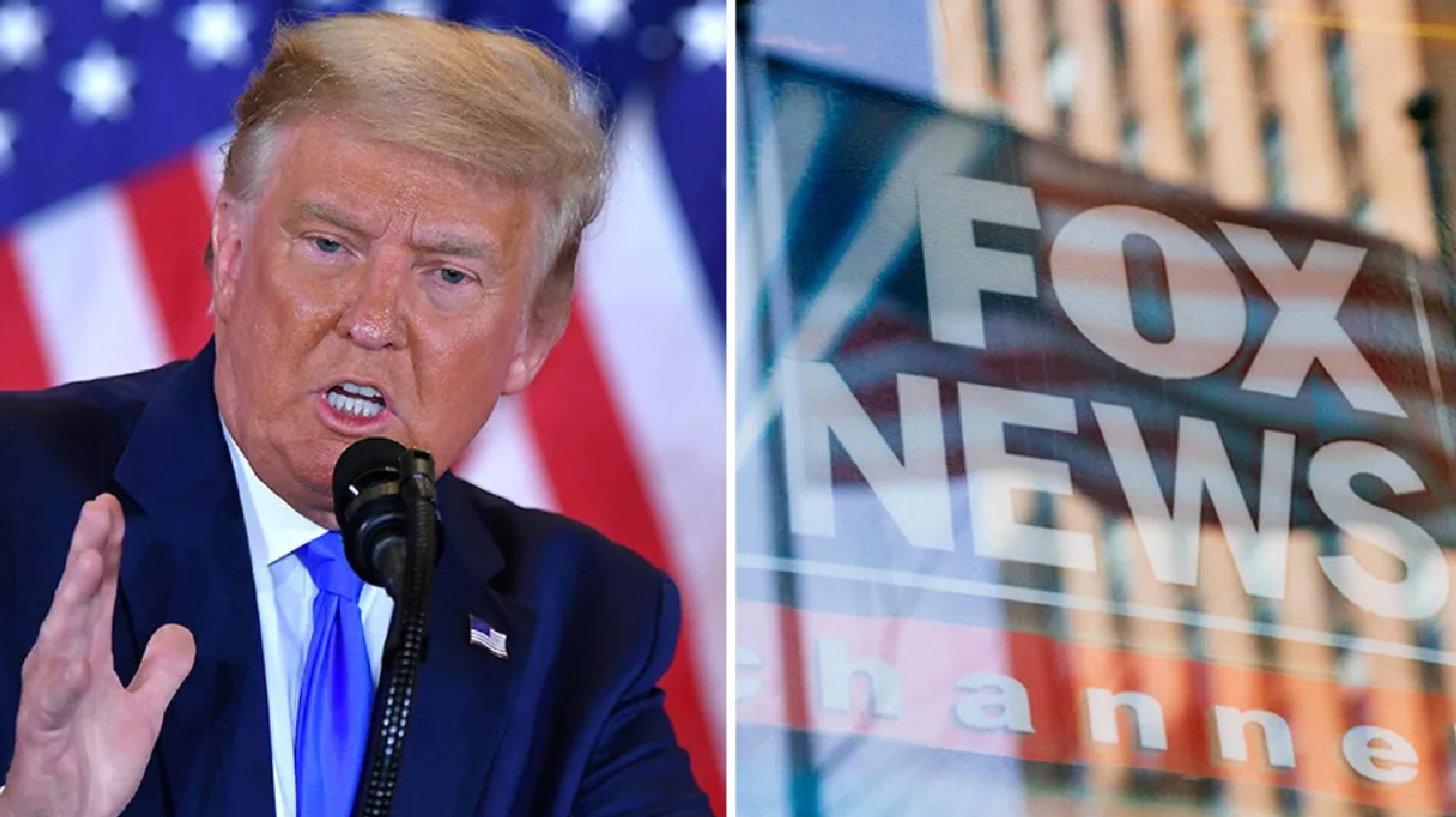
A growing divide within the conservative movement spilled into public view this weekend as Fox News host Mark Levin launched a blistering attack on President Donald Trump’s Iran strategy, accusing the administration of pressuring Israel while pursuing a diplomatic agreement designed to permanently prevent Iran from obtaining a nuclear weapon.
The dispute comes as the Trump administration continues negotiations with Tehran following a series of devastating military strikes that crippled Iran’s nuclear infrastructure, eliminated key regime leaders, and left the Islamic Republic in one of the weakest positions it has faced in decades.

President Trump and Vice President JD Vance have argued that the administration is negotiating from a position of overwhelming strength after demonstrating a willingness to use military force when necessary. Their goal, they say, is simple: ensure Iran never obtains a nuclear weapon while avoiding another endless war in the Middle East.
Levin, however, remains deeply skeptical.
During a fiery monologue that lasted more than 17 minutes on Saturday, the longtime conservative commentator accused members of the administration of unfairly targeting Israel while becoming too optimistic about Iran’s intentions.

“I want to say to people in and out of the administration: stop trashing, smearing, bullying the little state of Israel. Stop cozying up to and telling us that the enemy regime in Iran is now more rational, more moderate, and a regime that we can deal with,” Levin demanded. “When just a few months ago they slaughtered 50,000 people, they’re still hanging young people today and, if they had a nuclear missile today, they’d fire it into our country as sure as I’m alive.”
Levin also rejected any suggestion that Israel should allow outside governments to dictate its security decisions.
“I don’t know what’s going on, but if people think they can bully a little country, Israel — a people that have existed 4,000 years through the Babylonians and the Persians, through the Romans and the Third Reich — into surrendering their defense and their decision on how to secure their country, they get another thing coming,” Levin continued. “I think it’s outrageous.”
The criticism did not stop there.
Levin also used social media to question several administration policies, including reports surrounding a Boeing 747 gifted by Qatar and modified for use supporting presidential airlift operations.
“If it’s legal and other countries do it so be it. Do you think wealthy countries should be able to lavish gifts on our government?” Levin wrote.
His sharpest criticism, however, focused on the administration’s efforts to secure a broader peace agreement with Iran and its proxies.
“Item #1 in the MOU provides there’s an immediate and permanent end to the war and that includes Hezbollah in Lebanon. Iran is Hezbollah,” Levin posted. “What’s the enforcement mechanism? Nothing. Israel defends itself after constant attacks from Hezbollah and is admonished for it. Its interests are not aligned with ours, we’re told. It’s endangering the peace deal. This is beyond nuts.”
In another post, Levin argued that current ceasefire efforts were coming at Israel’s expense.
“Apparently as long as Israeli soldiers are killed the ceasefire is holding,” Levin claimed.
The administration has strongly rejected suggestions that it is abandoning Israel or weakening its support for America’s closest ally in the Middle East.
President Trump responded directly Sunday with a warning aimed squarely at Iran and its regional proxies.
“Iran must immediately stop their highly paid PROXIES in Lebanon from causing trouble. If they don’t, we’ll hit Iran very hard again, just like we did last week, only harder!!!” Trump posted on Truth Social.
For supporters of the administration, that message demonstrates exactly why they remain confident in Trump’s approach. They argue that no modern president has shown a greater willingness to confront Iran militarily while simultaneously seeking a diplomatic resolution that serves American interests.
Vice President JD Vance and Secretary of State Marco Rubio have both emphasized that any final agreement would require Iran to permanently abandon its nuclear ambitions, submit to extensive inspections, and comply with strict verification requirements before receiving any economic benefits.
Administration officials also note that no sanctions have been lifted, no frozen assets have been released, and no direct payments have been authorized.
Instead, they argue that Trump has successfully put Iran in a position where the regime must choose between compliance and continued isolation.
The disagreement highlights a broader debate that has been developing inside the Republican Party for years.
Traditional foreign-policy hawks often favor maintaining maximum military pressure and remain deeply skeptical of negotiations with hostile regimes.
Trump’s America First coalition generally supports overwhelming military strength but prefers leveraging that strength into favorable deals that avoid long-term military entanglements.
Supporters of the president argue that Trump’s strategy reflects the same formula that has defined much of his foreign policy: peace through strength.
Strike hard when necessary. Demonstrate unquestionable resolve. Negotiate from a position of power. And avoid the costly nation-building efforts and endless conflicts that frustrated many Americans for decades.
As negotiations continue, the debate between Levin and the Trump administration reflects a larger question facing conservatives: how best to secure American interests abroad while staying true to the America First principles that have reshaped the Republican Party.
For now, President Trump appears committed to proving that military strength and diplomacy are not opposing strategies—but complementary tools for achieving lasting peace and protecting America’s national security.
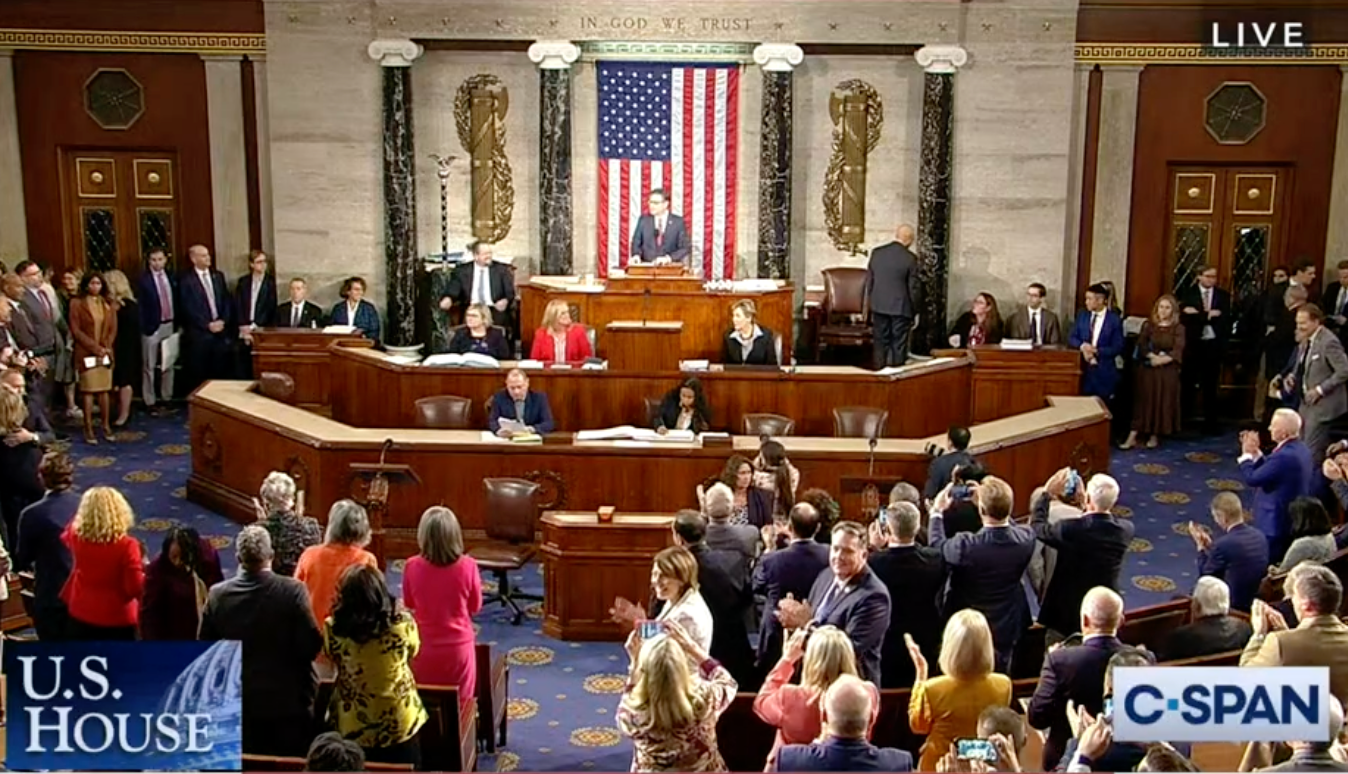
In a rare display of bipartisan cooperation, the U.S. House of Representatives overwhelmingly passed the amended 21st Century ROAD to Housing Act this week, advancing a package of reforms designed to tackle America’s housing affordability crisis while delivering on several key priorities championed by President Donald Trump.
The legislation passed by a decisive 396-13 vote, reflecting broad agreement that soaring housing costs, rising rents, and limited inventory have pushed homeownership out of reach for millions of Americans.
Supporters say the bill addresses one of the country’s most pressing economic challenges by cutting red tape, increasing housing supply, strengthening lending opportunities, and helping ensure that American families—not large corporations—have a fair shot at buying homes.
The legislation combines elements of previous House and Senate proposals and seeks to address housing shortages that have contributed to record-high home prices in many parts of the country.
House Financial Services Committee Chairman French Hill praised the measure as a practical, results-oriented solution focused on expanding opportunities for working Americans.
“This bill prioritizes American families by expanding homeownership, enhancing affordability, reducing burdensome regulations that drive up costs, and increasing housing supply nationwide,” Chairman Hill stated.
“Importantly, it delivers on President Trump’s call to limit institutional investors from competing with the American people as they seek to purchase a home,” Hill added.
The legislation includes a variety of reforms aimed at accelerating housing construction and reducing barriers that have slowed development for years.

Among its key provisions, the bill streamlines federal permitting requirements, reduces lengthy environmental review processes for certain redevelopment and infill housing projects, and encourages innovative housing solutions such as modular and manufactured homes.
The measure also provides grants to local governments willing to modernize zoning laws and remove restrictions that limit new construction.
Supporters argue that restrictive zoning policies, excessive permitting delays, and government bureaucracy have significantly contributed to America’s housing shortage.
Rather than relying on massive new federal spending programs, the legislation focuses on empowering local communities, encouraging private-sector investment, and removing obstacles that make housing more expensive.
The bill also raises loan limits for multifamily housing developments, creating incentives for apartment construction and expanding options for renters and first-time buyers alike.
Additional provisions strengthen rural housing initiatives, expand support for veterans seeking housing, modernize financing for smaller mortgage loans, and increase the role community banks can play in local lending markets.
Community banks have long argued that excessive regulations have made it more difficult for them to serve homebuyers and construction projects in their local communities.
Democratic Rep. Maxine Waters acknowledged the seriousness of the housing crisis despite broader political disagreements.
“America is in the middle of a full-blown affordable housing and homelessness crisis, and working families are burdened by skyrocketing rents and a housing market that is pushing homeownership further out of reach,” Waters said.
One of the most notable aspects of the legislation is its effort to curb the growing influence of large institutional investors in the housing market.
For years, investment firms and corporate landlords have purchased thousands of single-family homes, often outbidding families and first-time homebuyers. Critics argue that this trend has driven up prices while transforming communities into rental markets dominated by large corporations.
The legislation includes targeted restrictions designed to discourage large institutional investors from acquiring additional single-family homes.
That approach aligns closely with President Trump’s housing agenda.
Throughout his second administration, Trump has repeatedly argued that homeownership should remain a cornerstone of the American Dream and that government policies should prioritize families over Wall Street investors.
In his National Homeownership Month proclamation earlier this month, Trump emphasized the importance of restoring affordability and expanding opportunities for future homeowners.
“During National Homeownership Month, my Administration recommits to making housing more affordable so that young Americans and hardworking families can raise children, build memories, and create a future in a home of their own,” Trump said.
The president has frequently blamed the housing crisis on “reckless spending, burdensome regulations, and failed housing policies” implemented under previous administrations, as well as “mass illegal immigration and large institutional investors” that have increased pressure on housing supply.
Trump has also taken executive actions aimed at reducing institutional ownership of single-family homes, lowering mortgage costs, and strengthening federal housing programs.
“Under my leadership, America will be a Nation where homes belong to families — not corporations,” Trump said.
At the same time, Trump has emphasized the importance of protecting the value of homes already owned by millions of Americans.
“I don’t want to drive housing prices down. I want to drive housing prices up for people that own their homes. Existing housing, people who own their homes, we’re going to keep them wealthy. We’re going to keep those prices up. We’re not going to destroy the value of their homes so that somebody that didn’t work very hard can buy a home,” Trump said during a Cabinet meeting earlier this year.
He has also repeatedly summarized his housing philosophy with a simple message:
“Homes are built for people, not for corporations, and America will not become a nation of renters.”
With overwhelming bipartisan support in the House and growing concern over affordability nationwide, supporters hope the legislation will mark a significant step toward restoring homeownership opportunities and ensuring that the American Dream remains within reach for future generations.

Tucker Carlson Officially Makes Shock Announcement — He’s Out

Top Fox News Host Suffers Deranged Meltdown On LIVE TV — Doesn’t End Well…

It’s Over! The House Votes 396-13 — Trump Just Won!

Disturbing Discovery Obama Hid In New Presidential Library Just Found

DOJ Drops Hammer On MLB — Pride Night Backfires BIG Time

Biden Humiliates Himself On Stage — Video Captures Everything
-
 Economy4 months ago
Vance Leaves Meeting, Looks Straight Into Camera, Announces Stunning Arrest
-
 Economy3 months ago
Adam Schiff Facing 30 Years In Prison After Bank Records Leak
-
 Economy4 months ago
Supreme Curt Sides With Trump — He Can Remove The All
-
 Economy4 months ago
All Hell Breaks Loose On Fox When Jesse Watters Asks Fetterman One Question
-
 Economy2 months ago
Prayers Pour In After Fox Host Dies: ‘Senseless Murder’
-
 Economy4 months ago
NBC Stops LIVE Broadcast — Breaks Big Trump News
-
 Economy4 months ago
Trump Pulls Off Miracle Of A Lifetime — It’s Permanently Open
-

 Economy4 months ago
Swalwell Facing Jail Time After Sickening New Video Leaks