
Latest
First Republican Congresswoman From Deep Blue State Dead

Former Republican Congresswoman Patricia “Pat” Saiki, a trailblazing Hawaii lawmaker who made history as the first Republican elected to represent the state in the U.S. House following statehood, has died at 96.
Saiki died of natural causes at her Honolulu home on September 30, according to her son, Stuart Saiki.
Her death closes a remarkable chapter in Hawaii politics spanning decades and encompassing service in Congress, the state legislature and the administration of President George H.W. Bush.
Born Patricia Fukuda in Hilo on May 28, 1930, Saiki graduated from Hilo High School before earning her degree from the University of Hawaii in 1952.
Politics wasn’t initially her chosen career.
Saiki began as an educator, teaching at several schools before becoming involved in organizing Hawaii’s first teachers’ union.
Her move into elected office came in 1968, when she won a seat in the Hawaii House of Representatives.
She served there for six years before winning election to the state Senate in 1974, where she remained until 1982.
Following an unsuccessful campaign for lieutenant governor, Saiki took over as chairwoman of the Hawaii Republican Party and worked to expand the party’s membership in a state that was already becoming increasingly difficult terrain for Republicans.
Then came the breakthrough that would define her political legacy.
In 1986, Saiki won election to Congress, becoming the first Republican elected to the U.S. House from Hawaii since the islands became a state in 1959.
She was also only the second woman to represent Hawaii in Congress.
Her death prompted tributes from across Hawaii’s political establishment.
Gov. Josh Green ordered American and state flags lowered to half-staff beginning Friday, October 2, through sunrise Monday, October 5.
“Pat Saiki’s six decades of public service and her pioneering example for young women and Asian Americans in Hawaiʻi and across the U.S., combine to form both a lasting, inspiring legacy and a high bar for all of us who serve the public,” Green said in a statement.
Democratic Rep. Ed Case, who represents Hawaii’s 1st Congressional District, also paid tribute to Saiki, crediting her with breaking political barriers and establishing an example for future generations of public servants.
Saiki’s impact extended far beyond her historic election.
During her two terms in Washington, she helped secure Republican support for legislation authorizing an official apology and financial compensation for Japanese Americans incarcerated by the federal government during World War II.
She also became an advocate for environmental protections in Hawaii.
In 1990, Saiki successfully urged President George H.W. Bush to halt the U.S. Navy’s use of Kahoʻolawe as a military bombing range.
Her career in Washington took another turn that same year when she left the House to challenge Democrat Daniel Akaka for a U.S. Senate seat.
Saiki lost the race, but her federal service wasn’t finished.
Bush subsequently appointed her administrator of the Small Business Administration, where she served from 1991 until 1993.
She later taught at Harvard University’s Institute of Politics before returning to Hawaii politics for another statewide campaign.
In 1994, Saiki ran unsuccessfully for governor against Democrat Ben Cayetano.
Although a Republican, Saiki maintained moderate positions on several social issues, including abortion rights, and developed a reputation for working across party lines on legislation affecting Hawaii.
Behind the political milestones was also a mother raising five children.
Her son Stuart remembered Saiki as someone who refused to allow the demands of public office to completely overtake her responsibilities at home.
Even while serving in the legislature, he recalled, she continued helping her children with homework and handling the responsibilities of raising a family.
Saiki was preceded in death by her husband, Stanley, and their eldest son, Stanley Jr.
She is survived by four children—Stuart, Sandra, Margaret and Laurie—as well as her grandchildren.
Saiki’s career ultimately stretched from Hawaii classrooms to the state legislature, from Capitol Hill to a presidential administration.
But her place in Hawaii political history was secured in 1986.
Nearly three decades after Hawaii entered the Union, Patricia Saiki accomplished something no Republican before her had managed in the new state: win election to represent Hawaii in the United States House of Representatives.
She was 96.


Texas Democratic Governor-elect Gina Hinojosa has announced plans to reverse Republican Governor Greg Abbott’s designation of the Council on American-Islamic Relations (CAIR) as a terrorist organization, signaling a significant change in the state’s approach to organizations accused of extremist connections.
During an interview with The Washington Post, Hinojosa indicated that she intends to rescind the designation imposed by Abbott in November 2025, when the Republican governor cited national security concerns and evidence from previous federal terrorism investigations.
Abbott’s November 18 proclamation designated both CAIR and the Muslim Brotherhood as foreign terrorist organizations under Texas criminal law. The governor also classified the organizations as transnational criminal organizations under state property laws, imposing restrictions on certain real estate acquisitions.
The designations formed part of Abbott’s broader effort to strengthen state security measures and restrict the activities of organizations his administration identified as potential threats.
Hinojosa’s proposed reversal would represent a departure from those policies, although the incoming governor would face legal limitations on how extensively she could undo the existing framework.
Rescinding Abbott’s executive designation would not automatically repeal the state statutes governing terrorism, transnational criminal organizations or restricted property acquisitions.
Hinojosa has also not publicly clarified whether she intends to reverse the separate designation of the Muslim Brotherhood.
Abbott cited the federal Holy Land Foundation terrorism financing case as a central justification for his original proclamation.
Federal authorities designated the Richardson, Texas-based Holy Land Foundation as a terrorist organization in December 2001 and subsequently froze its assets.
In November 2008, a federal jury convicted the foundation and five of its leaders of providing material support to Hamas, a federally designated terrorist organization.
According to Justice Department records, the defendants provided approximately $12.4 million in financial assistance to Hamas.
Among those convicted was Ghassan Elashi, whom Abbott identified in his proclamation as a founding board member of CAIR’s Texas branch.
In May 2009, U.S. District Judge Jorge Solis sentenced Elashi to 65 years in federal prison.
During the Holy Land Foundation proceedings, federal prosecutors also identified CAIR as an unindicted co-conspirator in 2007.
A subsequent judicial order concluded that there was “ample evidence” connecting CAIR historically to several organizations examined during the federal prosecution.
However, CAIR was never criminally charged in the Holy Land Foundation case and has consistently denied allegations that it supports terrorism.
Following Abbott’s proclamation, CAIR challenged the designation in federal court, arguing that the governor’s actions violated constitutional protections and Texas law.
The legal dispute expanded in February 2026 when Republican Attorney General Ken Paxton filed a separate lawsuit targeting CAIR, its Texas chapters and the Muslim Brotherhood.
Paxton sought to prohibit the organizations from operating within Texas, citing state laws addressing terrorism, transnational criminal organizations, property ownership and public nuisances.
Those statutes would remain in effect regardless of whether Hinojosa rescinds Abbott’s executive proclamation, unless the Texas Legislature repeals them or courts determine that they cannot legally be enforced.
As a result, the incoming governor’s proposed action would not necessarily end Paxton’s litigation or invalidate findings previously entered in federal court.
Texas law also establishes procedural requirements for removing organizations from certain classifications restricting property acquisitions.
Before removing applicable designations, the governor must consult with the director of the Texas Department of Public Safety and the state Homeland Security Council.
Changes to those restrictions would generally govern future property transactions rather than automatically resolve disputes involving earlier acquisitions.
Hinojosa has presented her approach as one focused on ensuring that public safety authorities are used for their intended purposes.
“We have to use public safety measures for public safety,” Hinojosa told The Washington Post.
Her position contrasts with Abbott’s approach, which emphasized the use of state authority to restrict organizations his administration associated with potential national security threats.
The disagreement is likely to continue through the courts and Texas Legislature, where Republican officials retain avenues to defend the existing statutory framework and challenge changes made by the incoming administration.
Federal terrorism designations also remain outside the unilateral authority of any Texas governor.
Earlier in 2026, President Donald Trump’s administration designated several international branches of the Muslim Brotherhood under federal terrorism authorities.
Those federal actions did not include CAIR, and Hinojosa would have no authority to reverse separate designations imposed by the federal government.
Consequently, even if Hinojosa follows through on her pledge, the legal consequences would depend on the scope of her executive actions, existing Texas statutes and the outcome of pending litigation.
The proposed reversal sets up a dispute over the limits of executive authority, the enforcement of state security laws and the treatment of organizations that have faced allegations of extremist associations but have not themselves been convicted of terrorism-related offenses.
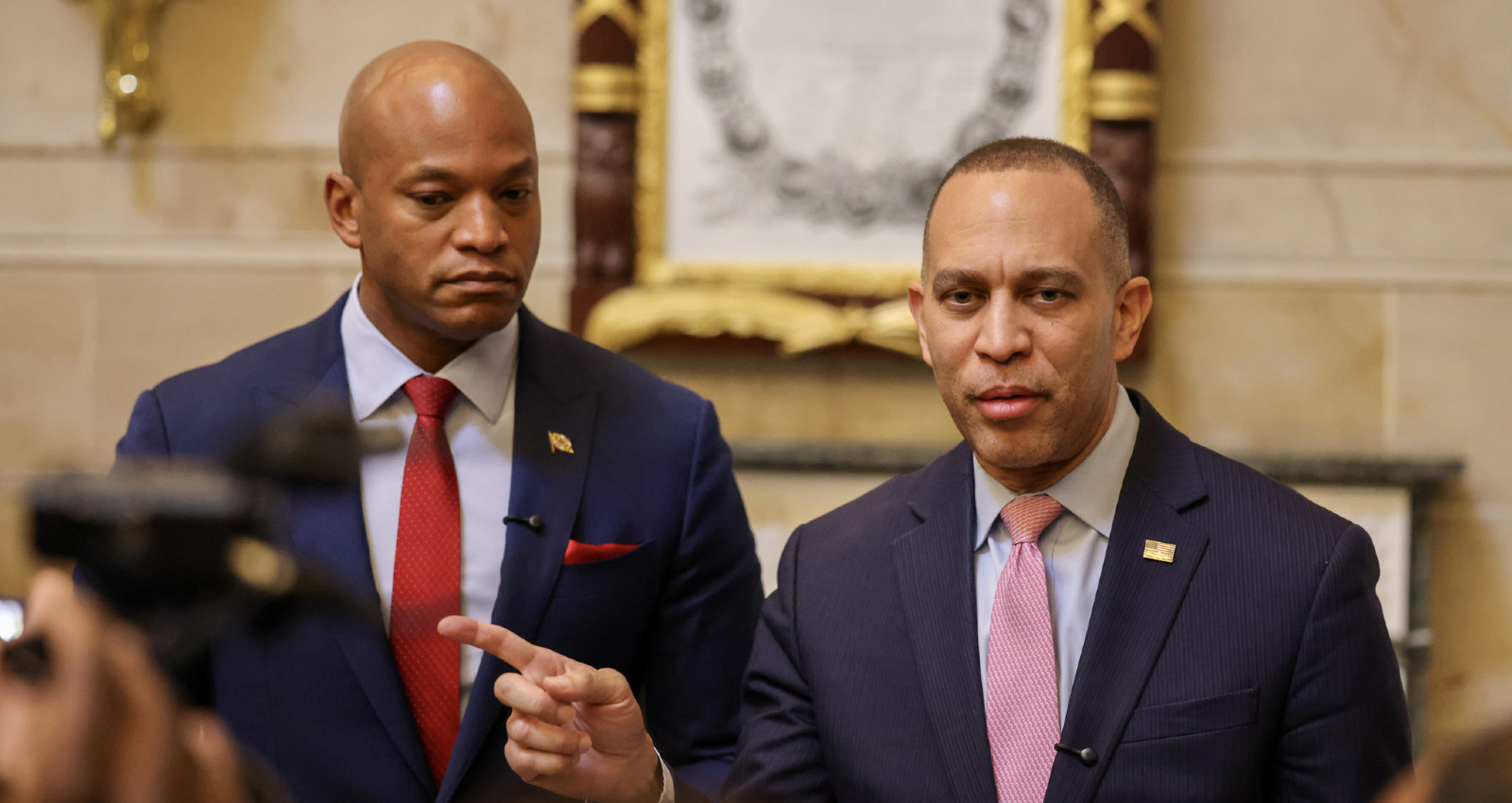
Montgomery County, Maryland, has approved two new measures expanding protections for undocumented immigrants, including legislation allowing certain tenants detained or deported by federal immigration authorities to terminate their leases early.
The Democratic-led County Council approved the measures as local officials continue to challenge aspects of President Donald Trump’s expanded immigration enforcement policies.
One of the newly approved measures amends county housing laws to prohibit landlords, property sellers and lenders from considering an individual’s immigration status when making housing-related decisions.
The legislation also establishes additional protections for tenants affected by federal immigration enforcement.
Under the new rules, residential tenants who are deported, detained or held in federal immigration custody for more than 30 days may terminate their rental agreements before the scheduled expiration date.
Tenants generally must provide landlords with 30 days’ notice before ending their leases.
“This has been an issue for quite a while,” Councilmember Kristin Mink said. “This is not a new issue. I think it’s important for folks to know that we are cleaning up something that has impacted folks for a while.”
Supporters argue that tenants and their families should not remain financially responsible for lengthy rental agreements when federal immigration enforcement prevents them from occupying their homes.
The legislation expands Montgomery County’s existing housing discrimination protections, which already prohibit discrimination based on characteristics such as race, religion and national origin.
By adding immigration status as a protected category, the county is extending those restrictions to additional aspects of private housing transactions.
The council also approved separate legislation limiting cooperation between county government agencies and federal immigration authorities.
That measure restricts when county employees may disclose certain personal information to federal immigration officials and establishes additional requirements governing access to county-operated facilities.
Supporters maintain that the restrictions are necessary to preserve trust between immigrant communities and local government institutions.
Montgomery County, one of Maryland’s most populous jurisdictions, has a substantial foreign-born population and has maintained policies limiting certain forms of cooperation with federal immigration enforcement for years.
The latest legislation comes amid an ongoing national dispute over the responsibilities of local governments when federal authorities seek to identify, detain and deport individuals who are unlawfully present in the United States.
Since returning to the White House, Trump has prioritized expanded deportations and increased enforcement operations by Immigration and Customs Enforcement and other federal agencies.
His administration has also challenged policies adopted by jurisdictions commonly described as sanctuary cities or counties, particularly those restricting cooperation between local authorities and ICE.
Federal officials and supporters of expanded immigration enforcement argue that cooperation from local governments is essential, especially when immigration authorities seek custody of individuals accused or convicted of criminal offenses.
Montgomery County officials have taken a different position, arguing that extensive cooperation with federal immigration enforcement can discourage immigrants from reporting crimes, accessing government services or communicating with local police.
The newly approved measures do not prevent federal immigration officers from independently enforcing federal law within Montgomery County.
Immigration enforcement remains primarily a federal responsibility, and county legislation cannot prohibit ICE agents from conducting arrests or other lawful federal operations.
Instead, the measures regulate how county agencies and private entities operating under local housing laws interact with immigrants and federal immigration authorities.
The housing legislation could have particularly significant implications for property owners and landlords.
Under the approved provisions, qualifying tenants who are deported or held in federal immigration detention for more than 30 days may terminate their leases without remaining responsible for the entire original rental term.
For landlords, the change creates an additional circumstance under which a tenant may legally end a rental agreement before its expiration.
The legislation also prohibits immigration status from being used as a basis for certain housing decisions, extending county-level legal protections to individuals regardless of their immigration classification.
The measures arrive as Maryland officials and the Trump administration continue to disagree over immigration enforcement responsibilities and the extent to which local governments should assist federal agencies.
Federal authorities have maintained that restrictions on cooperation can complicate efforts to locate and remove individuals subject to deportation, including those with criminal records.
Immigrant-rights advocates counter that local police departments and government agencies should not be required to serve as extensions of federal immigration enforcement.
Montgomery County has long pursued policies intended to separate many local government functions from federal immigration operations.
The newly approved legislation further establishes that approach by placing additional restrictions on county cooperation while expanding legal protections in the private housing market.
With both measures approved, Montgomery County is reinforcing its existing immigration policies at a time when the Trump administration is pursuing broader federal enforcement efforts.
The changes also establish new obligations for landlords and county agencies, ensuring that the effects of the legislation will extend beyond immigration enforcement itself and into local housing practices and government operations.
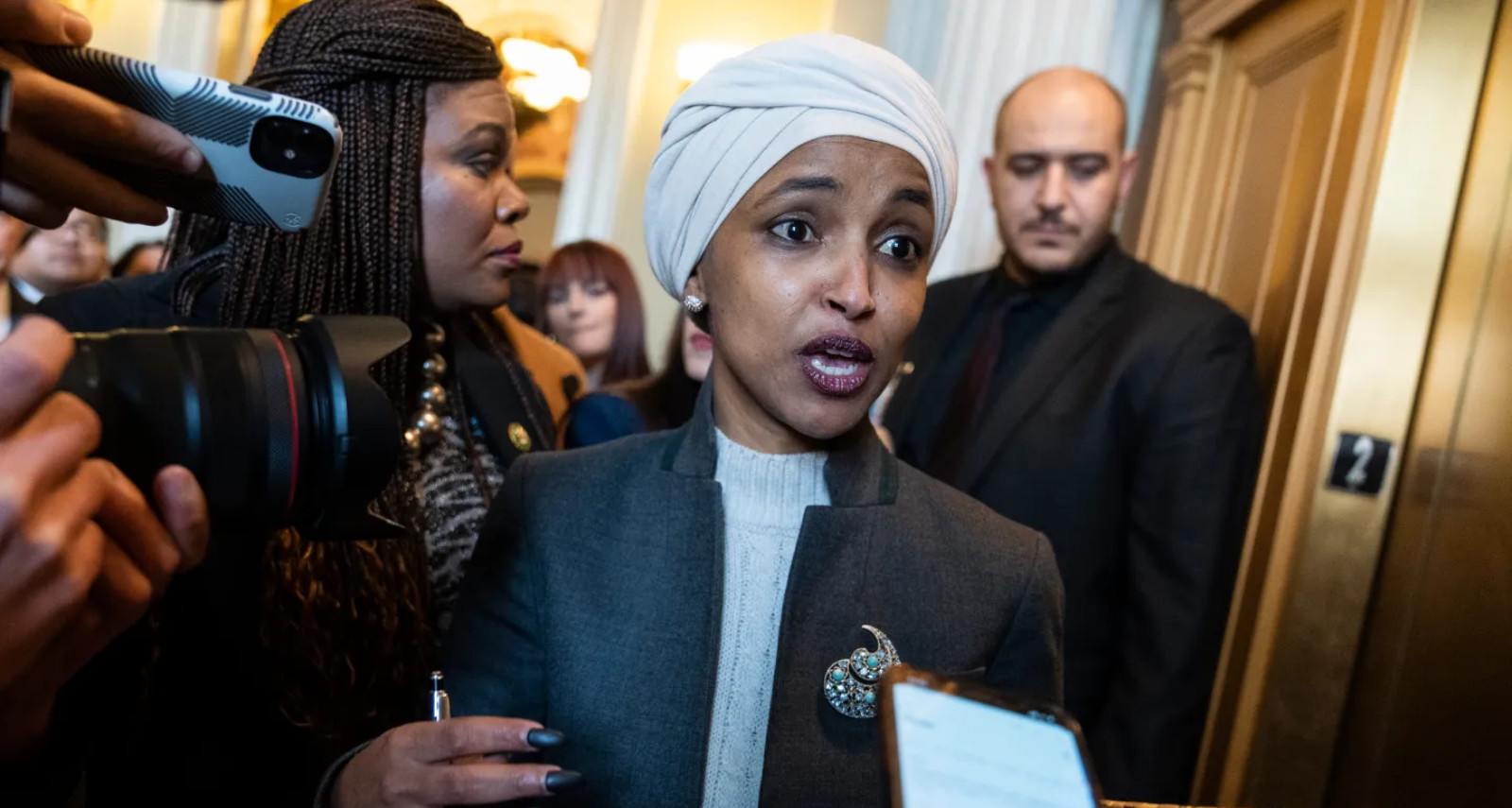
A previously undisclosed federal investigation into Democratic Rep. Ilhan Omar has come to light, revealing that prosecutors once examined allegations of immigration fraud involving the Minnesota congresswoman before closing the case because the statute of limitations had expired.**
The investigation was conducted by the U.S. Attorney’s Office for Minnesota during President Donald Trump’s first administration, according to three individuals familiar with the matter who spoke with the Minnesota Star Tribune.
Federal prosecutors ultimately decided against pursuing criminal charges after determining that the legal deadline for bringing a case had passed.
The disclosure comes as federal authorities in Washington have reportedly renewed their examination of Omar’s immigration history and financial affairs, opening another chapter in the longstanding scrutiny surrounding the Democratic lawmaker.
Unlike the earlier investigation, the current inquiry is reportedly being handled by prosecutors outside Minnesota, without the involvement of the U.S. Attorney’s Office in Omar’s home state.
According to the Star Tribune, federal investigators examined allegations involving Omar’s immigration history during Trump’s first presidency.
However, prosecutors concluded that the statute of limitations prevented them from moving forward with criminal charges.
The investigation was subsequently closed without an indictment.
The newly disclosed inquiry adds to reports that Omar has drawn federal investigative attention at various points during the Obama, Trump and Biden administrations.
Questions surrounding the congresswoman’s marriage history, citizenship and financial dealings have generated controversy for years, although those allegations have not resulted in criminal charges against her.
The earlier investigation’s closure also raises questions about whether federal prosecutors in Washington are examining different allegations, pursuing newly discovered evidence or reconsidering matters previously reviewed by investigators in Minnesota.
Authorities have not publicly explained what prompted the latest investigation or how they intend to address the legal limitations that prevented the earlier case from proceeding.
The renewed scrutiny follows reports that federal authorities searched Omar’s Washington residence on October 12.
The search warrant and supporting documents have not been publicly released, leaving the specific allegations behind the current investigation unclear.
Federal officials have also declined to publicly identify the evidence being examined or explain whether the latest inquiry directly relates to the earlier immigration fraud allegations.
The reported search represents a significant development in the ongoing examination of the congresswoman’s personal and financial history.
Nevertheless, the existence of an investigation does not establish criminal wrongdoing, and authorities have not announced charges against Omar.
Omar’s office has strongly criticized the renewed federal scrutiny, accusing the Trump administration of using the Justice Department to target a political opponent.
A spokesperson for the congresswoman rejected the legitimacy of the investigation.
“This is not legitimate law enforcement,” a spokesperson said. “It is an abusive fishing expedition driven by the president’s political vendettas.”
The response reflects the increasingly contentious dispute surrounding the investigation, with Omar’s representatives characterizing the federal inquiry as politically motivated.
The Justice Department has not publicly released sufficient information about the current investigation to establish its precise scope or the allegations under examination.
The Minnesota Star Tribune reported that several individuals familiar with the investigations spoke on the condition of anonymity because they were not authorized to discuss the cases publicly.
Those sources provided details about the earlier federal inquiry and the decision to close it after the statute of limitations expired.
However, individuals familiar with the previous investigations did not provide the newspaper with evidence establishing that Omar committed immigration fraud.
Omar, who was elected to a fifth congressional term earlier this month, has not been charged with a crime.
The latest investigation remains ongoing, according to the report, with prosecutors in Washington now examining matters involving the congresswoman.
For the moment, the central questions remain unresolved: What prompted federal authorities to revisit Omar’s history, what evidence are investigators reviewing, and can prosecutors pursue any allegations that may have been legally time-barred in the earlier case?
Until additional court documents or official findings become public, the full scope of the federal investigation remains unknown.

Texas’ New Dem Governor Makes Horrifying Muslim Announcement

BANNED! Democrats’ First Act Should Terrify Every American

Game-Changing New Detail Emerges From Ilhan Omar Investigation

Massive Migrant Caravan Converges On U.S. For Democrat Midterm Victory

JUST IN: Pair Of Senior FBI Officials Arrested — It’s Damning

Pentagon Rolls Controversial Out Doomsday Strategy
Massive Migrant Caravan Converges On U.S. For Democrat Midterm Victory

Ilhan Omar’s Sister FLIPS — Blows Entire Case Wide Open!

Ilhan Omar’s Husband Goes Public With Announcement — She’s Devastated

Ilhan Omar FOUND — Shocked Where Caught After Sudden Disappearance
Horrific ‘Mass Casualty Event’ Confirmed
JUST IN: Pair Of Senior FBI Officials Arrested — It’s Damning
-

 Economy7 months ago
Vance Leaves Meeting, Looks Straight Into Camera, Announces Stunning Arrest
-
 Economy7 months ago
Adam Schiff Facing 30 Years In Prison After Bank Records Leak
-

 Culture5 months ago
Michelle Obama Drops Nasty Bomb About ‘Useless’ Daughter
-
 Economy7 months ago
Supreme Curt Sides With Trump — He Can Remove The All
-

 Economy7 months ago
All Hell Breaks Loose On Fox When Jesse Watters Asks Fetterman One Question
-
 Economy5 months ago
Prayers Pour In After Fox Host Dies: ‘Senseless Murder’
-

 Economy5 months ago
Pete Hegseth Just Confirmed Devastating Rumors
-

 Border & Security3 months ago
Top Trump Admin And Wife Found Dead — Chilling Update Just Released